Medical personnel are urgently deploying to the frontlines of a new Ebola outbreak in the eastern Democratic Republic of Congo (DRC), where an American missionary has tested positive for the virus. The rapid spread and late detection of this outbreak have raised significant concerns among health experts, despite Congo's extensive prior experience in combating Ebola.
The World Health Organization (WHO) has classified the situation as a public health emergency of international concern due to the substantial risk of the disease spreading beyond the DRC's borders. This designation follows the confirmation of two cases in Kampala, the capital of neighboring Uganda, highlighting the transboundary threat and the interconnectedness of regional health security.
As of Monday, the outbreak has resulted in 105 suspected deaths and 393 suspected cases across nine health zones in Ituri province. Laboratory testing has confirmed eight of these cases. An additional case has been reported in Goma, the capital of North Kivu province, by the M23 rebels who currently control the city, underscoring the complex security landscape impacting public health efforts.
This particular outbreak is attributed to the Bundibugyo virus. Unlike the more prevalent Zaire strain of Ebola, the Bundibugyo virus lacks approved virus-specific therapeutics or a vaccine, complicating treatment and prevention efforts. Ebola is known to spread through direct contact with bodily fluids of infected individuals or animals, manifesting in symptoms such as high fever, vomiting, and internal and external bleeding. The economic implications of such outbreaks, particularly in regions reliant on mining and trade, underscore the importance of rapid and effective containment to prevent widespread disruption and loss of life.
In response, a delegation headed by DRC Health Minister Samuel Roger Kamba arrived in Bunia, Ituri's capital, on Sunday. They brought tents to establish treatment centers and provide support to overwhelmed local hospitals. Minister Kamba emphasized the importance of community engagement, stating, "This is not a mystical disease. Make yourself known so that you can be taken care of and so that we can prevent the disease from spreading." This direct appeal aims to overcome potential mistrust and encourage timely reporting of symptoms.
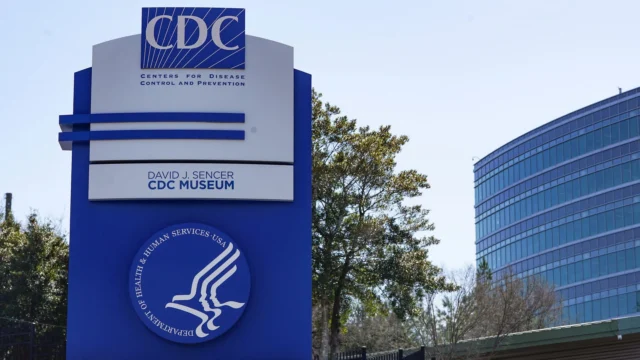
The U.S. Centers for Disease Control and Prevention (CDC) is coordinating the transfer of the American missionary to Germany for specialized treatment and care. Additionally, six other individuals who were exposed to the virus will also be transferred, though specific details were not provided. The CDC has assessed the risk to the United States as low but is actively deploying experts to Africa to assist in the response, a move that reflects global health cooperation in the face of emerging threats.
The WHO's representative in the DRC, Anne Ancia, reported that the organization has depleted its stock of protective equipment in the capital, Kinshasa. A cargo plane is being prepared to transport additional supplies from a depot in Kenya. The European Centre for Disease Prevention and Control is sending an expert to its African counterpart's headquarters in Ethiopia to aid in operational planning, while the U.S. CDC plans to increase its personnel presence in its offices in both the DRC and Uganda. These logistical and personnel deployments highlight the international effort required to manage such a crisis.
In a measure to curb potential spread, the U.S. embassy in Uganda announced on Monday a temporary pause on all visa services within the country, effectively restricting travel. Similarly, Congolese individuals attempting to cross into Rwanda from Bukavu were reportedly stopped by authorities at the border. These border control measures, while necessary for containment, can have ripple effects on regional trade and movement.
Previous Ebola outbreak responses in the region have been significantly hampered by ongoing insecurity. The Zaire strain outbreak from 2018 to 2020, which affected North Kivu and Ituri provinces, was the second deadliest on record, claiming nearly 2,300 lives. The response to that epidemic was further complicated by persistent armed violence in eastern Congo, a factor that continues to challenge current containment efforts and impacts the economic stability of affected areas.
Jean Pierre Badombo, the former mayor of Mongbwalu, a mining town in Ituri and the current outbreak's epicenter, recounted that residents began falling ill in April following a large funeral procession with an open casket that traveled from Bunia. "After that, we experienced a cascade of deaths," he stated. This anecdotal evidence points to potential early transmission events that were not immediately recognized as part of an escalating health crisis.
The WHO was initially alerted to an unknown illness with a high mortality rate in Mongbwalu on May 5. The alert included information about four health workers who had died within a four-day period, prompting the dispatch of a rapid response team. However, subsequent missteps, including an initial failure by personnel in Bunia to escalate samples for further testing after they yielded negative results for the Zaire strain, delayed the virus's detection until May 14, according to Congolese health officials. This delay in diagnosis is a critical factor in the rapid spread observed.
An outbreak was officially declared the following day, May 15. Lievin Bangali, the International Rescue Committee's senior health coordinator in the DRC, pointed to declining funding from international donors as a factor that has weakened disease detection capabilities. "When surveillance networks break down, dangerous diseases like Ebola are able to spread further and faster before communities and health workers can respond," he explained. This highlights the vulnerability of public health infrastructure when financial support wanes.
Congo has a history of Ebola, having experienced 17 outbreaks since the virus was first identified in the country in 1976. The WHO notes that the average fatality rate for Ebola typically hovers around 50%, with historical variations ranging from 25% to 90% across different outbreaks. This historical context is crucial for understanding the potential severity of the current situation.
In neighboring Uganda, authorities have postponed the upcoming Martyrs’ Day celebrations, a national holiday that usually draws thousands of pilgrims from eastern DRC. This decision was made due to the ongoing Ebola outbreak. Dr. Kithula Haggai Sunday of Uganda's health ministry reported that several individuals from western Uganda who had recently attended a burial in eastern Congo and subsequently returned home are under observation. Some of these individuals, who have developed symptoms, have been transferred to Fort Portal for further assessment. The postponement of major public gatherings like Martyrs' Day is a significant economic and cultural event, demonstrating the broad impact of the health crisis.
The swift response from international health organizations and national health ministries is critical in containing this outbreak. The deployment of medical personnel, supplies, and experts, coupled with public health measures and enhanced surveillance, are key strategies being employed. The economic implications of such outbreaks, particularly in regions reliant on mining and trade, underscore the importance of rapid and effective containment to prevent widespread disruption and loss of life. The financial markets can be sensitive to such large-scale health crises, especially if they impact global supply chains or economic stability in key regions.