The U.S. Centers for Disease Control and Prevention (CDC) announced on Thursday that there are currently no reported cases of hantavirus within the United States. The agency is actively monitoring 41 individuals across the U.S. for the virus, emphasizing that the risk to the general public remains low.
This announcement comes in the wake of an outbreak linked to a cruise ship, which has garnered attention from international health organizations. The World Health Organization (WHO) has reported a total of 11 hantavirus cases associated with this outbreak, with eight cases confirmed through laboratory testing. Tragically, three deaths have been attributed to the virus in connection with this cluster.
The CDC has issued specific guidance for those under monitoring, advising them to remain at home and avoid contact with others for a period of 42 days. This recommendation applies to several key groups, including passengers recently repatriated and currently in Nebraska and Atlanta, individuals who had disembarked the ship and returned home before the outbreak was identified, and those who may have been exposed during travel, particularly on flights where a symptomatic case was present, according to Dr. David Fitter, the incident manager for the CDC's hantavirus response.
The spread of the virus has understandably sparked concerns about a potential global health crisis, especially given the recent experience with the COVID-19 pandemic. However, public health experts are working to temper these concerns, stressing that the risks associated with this particular outbreak appear limited and are unlikely to escalate into a widespread health emergency.
A crucial factor in assessing the spread is the nature of the Andes strain of hantavirus involved. Experts note that, unlike illnesses such as COVID-19, measles, or the flu, this strain does not transmit easily from person to person. Despite this, the possibility of additional confirmed cases emerging in the coming weeks cannot be entirely ruled out due to the virus's long incubation period.
Some public health experts have pointed to the CDC's response to hantavirus, which they suggest has been slowed by staffing reductions and the U.S. withdrawal from the WHO during the Trump administration, as exposing vulnerabilities in the nation's readiness for future health crises.
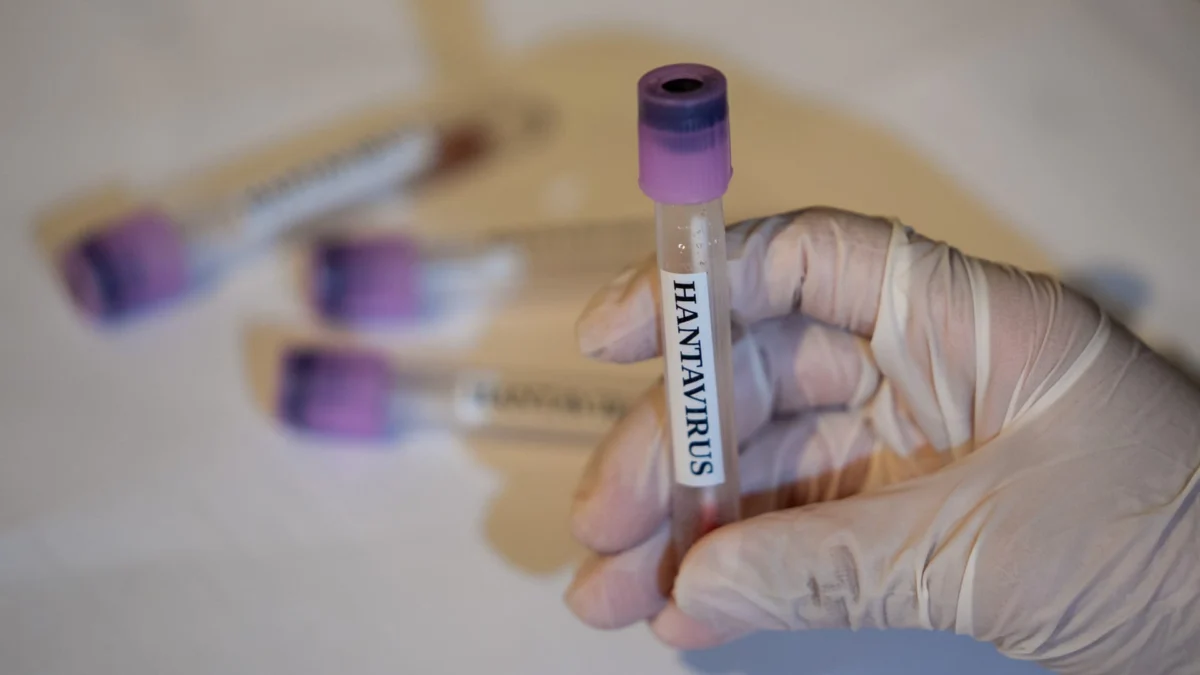
An illustration depicting hantavirus samples was seen in Ankara, Turkiye, on May 6, 2026. The image was provided by Arman Onal via Anadolu and Getty Images.