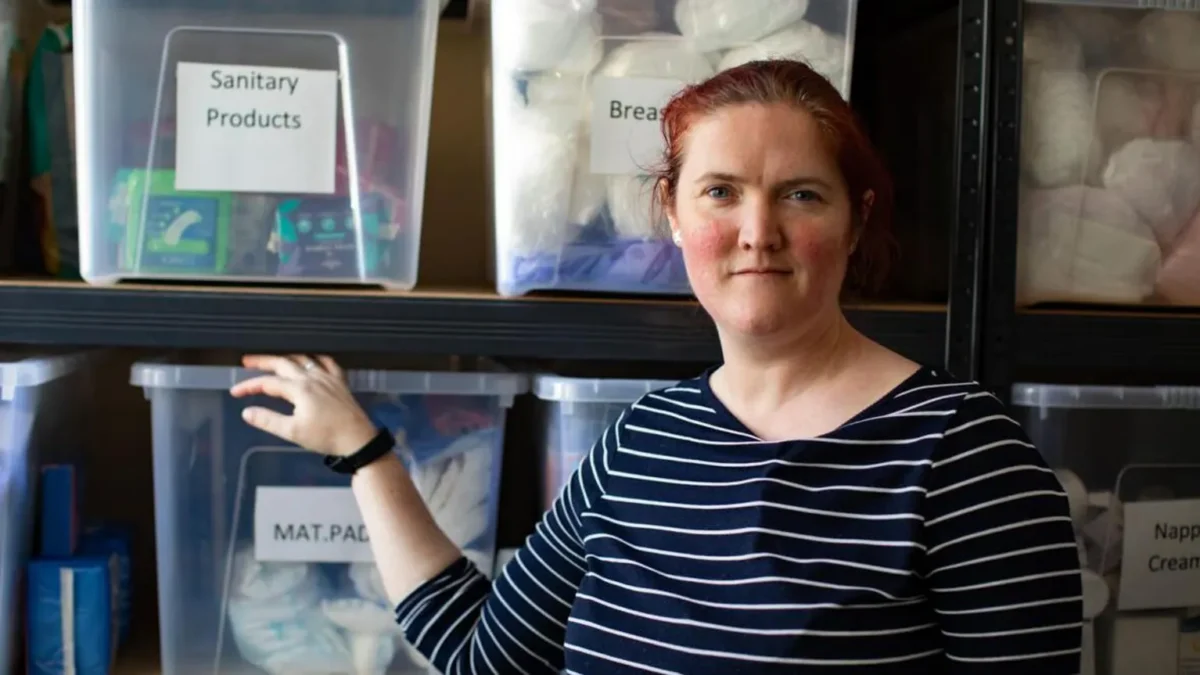
Hartlepool Baby Bank, a charity run by volunteers that provides free clothes, toys and essential equipment for families, says demand has “never been higher.” The organisation, which also offers practical support ranging from informal guidance to delivering items for the first days after a birth, now serves about 150 families a week, a tenfold increase since it opened in 2019.
Chair Emilie de Bruijn, who co-founded the initiative, said the surge in need is linked to rising childcare costs and limited flexible work options. “Parents can't find work that fits round children, childcare costs keep rising, people are just really struggling,” she said. The Department for Education, which subsidises childcare, has been approached for comment.
The charity was started by de Bruijn and two friends after they realised “there was a real need.” Government figures for 2024/25 show 27% of children in Hartlepool are living in absolute poverty, defined as households earning below 60% of the national average.
De Bruijn described the growth: “We started with six families our very first week, 12 on our second, then 30, then 50 – people just kept coming.” She noted that demand isn’t limited to shoes anymore; families are asking for a wider range of items. “We have had 139 brand new families this year, and more than 2,000 repeat referrals, that’s families who we have already helped,” she said.
She emphasised the community aspect: “It’s one family to another, it’s a community supporting itself.” Many people contacting the bank are described as working-poor, trapped by childcare costs, which keeps demand for assistance high.
Donations are welcome, with cots, toiletries, nappies and maternity pads—even opened packets—particularly needed at the moment.
Overall, the Hartlepool Baby Bank reports that the year has seen sustained pressure on local families as they navigate work, income and childcare challenges, underscoring the wider social and economic drivers behind rising demand for charitable support.


