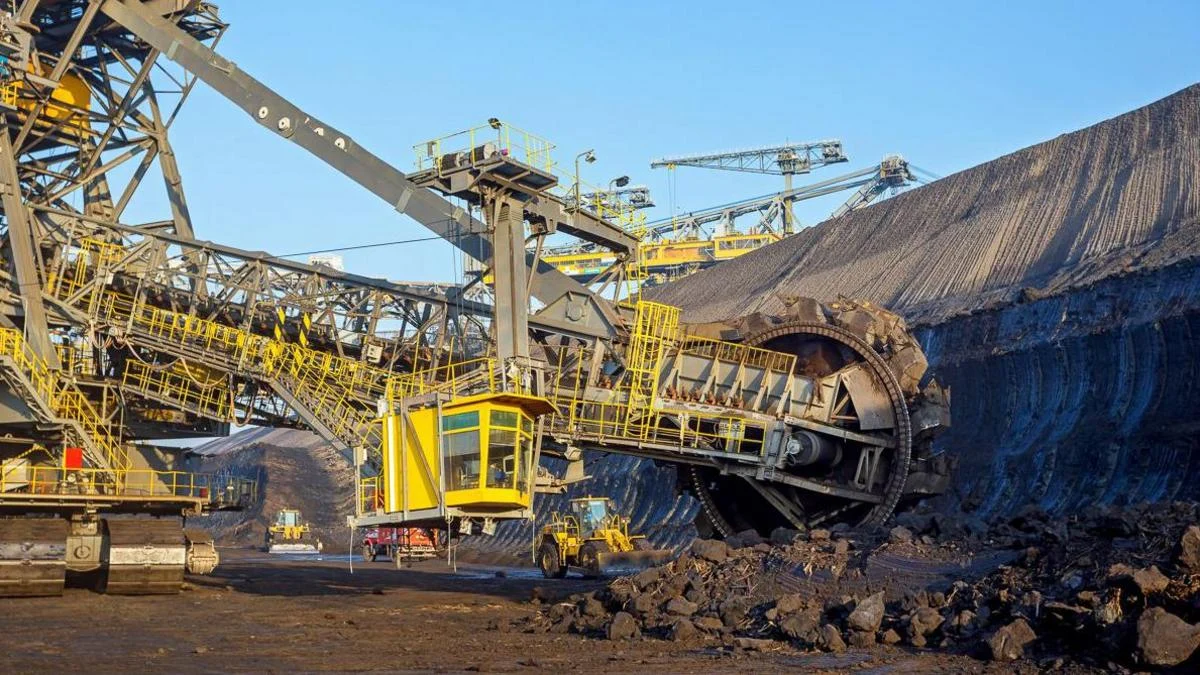
Germany is the European leader in coal use for power generation and ranks fourth globally, but Berlin has pledged to end coal use by 2038, with a faster phase-out for lignite targeted at 2030. Today, about 20% of German electricity comes from coal as the country pursues wind, solar and other renewables. In fact, renewables supplied 59% of electricity last year, with gas accounting for around 13% of generation. The country relies heavily on imports for natural gas, importing about 95% of its needs, which heightens sensitivity to global gas price swings.
The recent surge in global gas prices, driven in part by geopolitical tensions, has reopened the debate over whether coal could again stabilise the system if gas supplies tighten. Some European peers have moved in different directions: Japan loosened rules to expand coal-fired capacity, Italy postponed closure of remaining stations until 2038, and India delayed maintenance and shutdowns. Germany’s situation remains more complex due to its ambitions to phase out coal while keeping prices and security of supply stable.
Germany’s energy mix is shaped by its geography and resources. It hosts the largest lignite reserves in Europe and the third-biggest globally, making it comparatively self-sufficient in this low-quality coal. By contrast, Germany imports the vast majority of its gas, which makes price spikes particularly painful for industry and households. Nuclear power was fully retired in 2023, removing another option for baseload generation.
LEAG, Germany’s second-largest lignite miner, has voiced optimism that coal-powered energy could win a reprieve if justified by security of supply. It highlighted increasing lignite supplies to compensate for reduced Russian gas imports after the 2022 invasion of Ukraine. A company spokesman said that temporarily resuming regular production could deliver electricity to millions of homes and strengthen energy security and affordability.
The political landscape complicates any shift. The government is a grand coalition split between the CDU/CSU and the SPD, with the CDU generally more open to extending coal use and the SPD more cautious about undermining the energy transition. Nina Scheer, the SPD’s energy spokeswoman, warned that relaxing coal rules could be counterproductive and risk new fossil-fuel lock-in. CDU leaders argue that Germany, as a large industrial nation, must ensure affordable energy and reassess transition costs and security of supply.
A parliamentary committee is examining potential compromises, including the idea of keeping six coal-fired stations that burn imported hard coal as a limited back-up to the grid. Steag Iqony Group, a stakeholder in some of these plants, has argued that such capacity should be used to bolster security and affordability of supply. A government decision later this year will determine whether the 2030 lignite phase-out deadline remains or some capacity may be maintained for a period as a strategic reserve. An August statutory review will assess the impact of the coal phase-out on energy security and prices, a process that could slow the phase-out rather than accelerate it.
Industry voices emphasize reliability of energy, noting that renewables alone cannot yet guarantee steady and affordable power for factories and households. Environmental researchers call for more renewables, storage, and grid capacity to deliver a durable solution. The debate touches on whether Germany should prioritise affordability and security over the acceleration of climate goals.
As the country weighs its options, investors and energy consumers watch for signals on the future of coal, gas, and the industry’s ability to maintain stable electricity prices while pursuing long-term decarbonisation.


