China’s economy expanded at a 4.3% annualized pace in the April-June quarter, the government said, marking the weakest quarterly growth since late 2022. The data underscored a divergence between strong external demand and softer domestic spending, as exports benefited from AI-driven demand and robust overseas orders while consumer confidence and investment at home lagged.
Despite a surge in exports, overall domestic activity remained constrained by sluggish consumption and slower investment in fixed assets. Industrial output rose at a modest pace, and retail sales posted only a limited increase, reflecting ongoing headwinds from a property downturn and job-market uncertainties. Export-oriented sectors, including high-tech goods such as electric vehicles and computer components, contributed to the quarter’s external strength, supported by government incentives aimed at boosting advanced manufacturing and technology development.
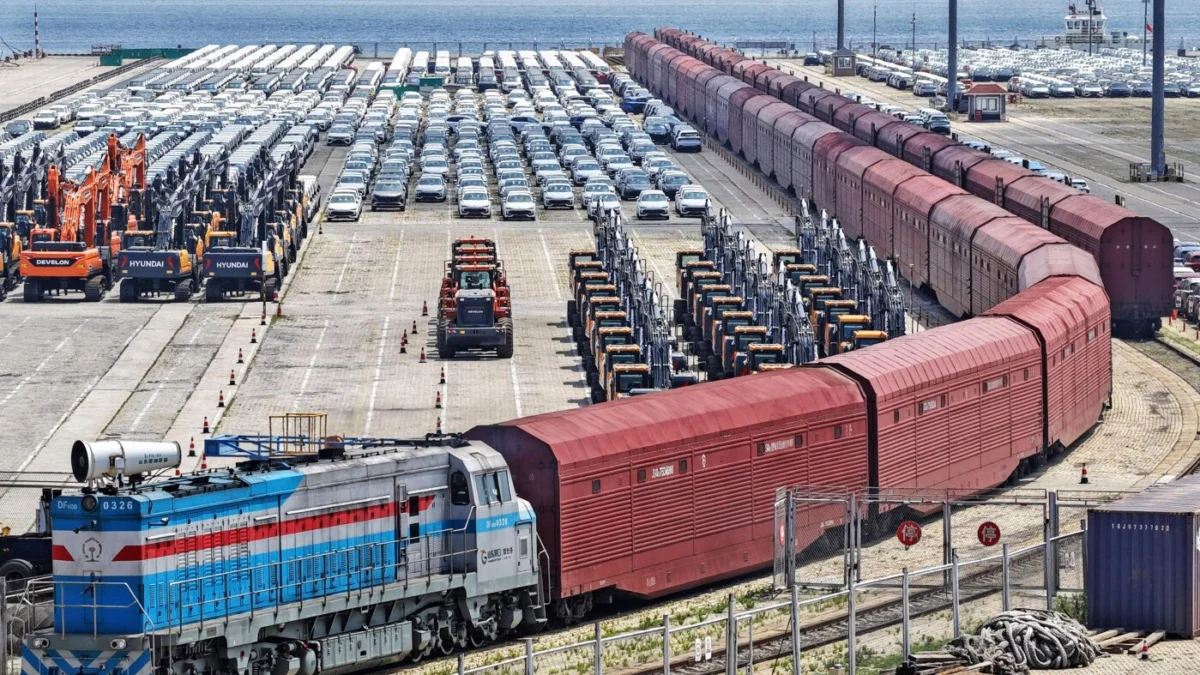
Customs data showed exports rising 17.6% in the first half of the year from a year earlier, with a 27% jump in June, illustrating the external side of the economy’s resilience. However, analysts note that the growth model remains imbalanced as heavy state backing and private investment flow into AI, chips, and robotics, while lower-value manufacturing and services stubbornly lag.
Officials emphasize that sustaining momentum will require expanding domestic demand and stabilizing employment. Deputy head of the National Bureau of Statistics Mao Shengyong said the imbalance between strong supply and weak domestic demand remains acute amid a volatile global backdrop. At the same time, policymakers said the focus on higher-quality growth will continue, including measures to deepen the domestic market and support employment stability as the economy shifts structurally.
Industry executives and economists view the current transition as a significant shift for an economy tied closely to export cycles, with external headwinds and a need to broaden domestic consumption to reduce reliance on foreign demand. Wei Li, head of multi-asset investments at BNP Paribas Securities (China), described the period as a “significant transition,” noting ongoing efforts to rebalance growth internally while maintaining external competitiveness.
Looking ahead, the International Monetary Fund raised its forecast for China’s annual growth by a small margin, and authorities have set a mid-year target that acknowledges the slower pace relative to the prior year. Analysts expect the economy to continue to recalibrate toward a higher-tech growth path, with some forecast revisions in 2027 reflecting a more moderate trajectory.


