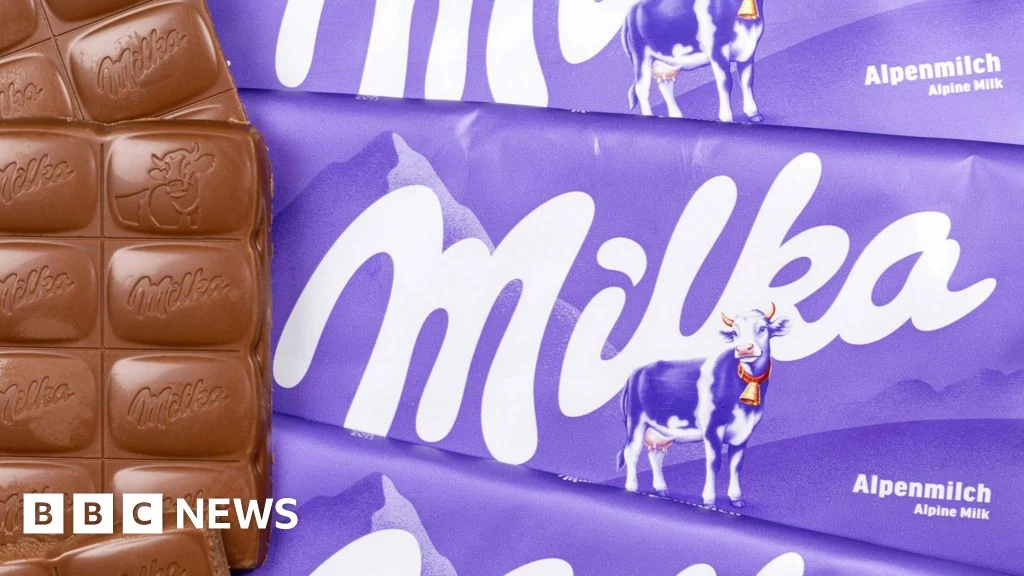
A German court has ruled that the manufacturer of Milka's classic Alpine Milk chocolate bar engaged in deceptive practices by reducing its weight without altering the packaging, thereby misleading consumers. The Bremen regional court found that Mondelēz, the company behind Milka, violated competition law by shrinking the "Alpenmilch" bar from 100g to 90g while maintaining the same wrapper. This practice, known as "shrinkflation," has become a common strategy for manufacturers facing rising production costs.
The lawsuit was initiated by the Hamburg consumer protection office (VZHH), which accused Mondelēz of deceiving customers. The court's decision highlighted that while maintaining the same wrapper is not inherently problematic, the deception arises from the discrepancy between the product's familiar appearance and its reduced actual content. The court stated that a "clear, understandable and easily perceptible notice on the wrapper was necessary" to prevent such deception.
Mondelēz has stated that it is taking the court's decision seriously and will review it in detail. The company had previously argued that it had informed German consumers about the weight change through its website and social media channels. It also cited increasing costs within its supply chains as the reason for adjusting the weight of several Milka bars in recent years.
Last year, German consumers expressed their dissatisfaction with the company's explanation, voting the Milka Alpenmilch bar as "rip-off packaging of the year 2025." The court noted that there is a "risk of repetition" if such practices are not addressed, underscoring the significance of the verdict. The ruling is not yet legally binding, as Mondelēz has a one-month period to file an appeal.
The issue of shrinkflation in the chocolate industry extends beyond Milka. Another well-known German brand, Ritter Sport, has also faced scrutiny for altering the weight of its distinctive square chocolate bars. While Ritter Sport has modified its packaging and marketed the lighter bars as a new range, the VZHH consumer group has also included these products on its "rip-off packaging" list.
In the case of Ritter Sport, three of its varieties, which previously weighed 100g, now weigh 75g. Although these bars appear visually similar, they are thinner. Ritter Sport has indicated that consumers prefer the thinner bars and has kept the price consistent. However, the VZHH group added 77 products to its "rip-off packaging" list in 2025 alone, indicating a broader trend of consumer dissatisfaction with product downsizing.
The practice of shrinkflation is not confined to chocolate; other everyday items such as toothpaste, oats, and instant coffee have also seen reductions in size or content. Consumer groups, like the UK's Which?, have criticized these tactics as "sneaky." Data indicates a significant rise in chocolate prices, with Which? reporting a 14.6% increase in the year leading up to August 2025, largely attributed to global cocoa price hikes following poor harvests in West Africa.
Mondelēz's lawyer had previously argued in court that chocolate bars historically had fluctuating weights, ranging from 81g to 100g depending on the specific product. This argument was made in the context of denying allegations by the Hamburg consumer group. The company maintained that the reduced weight was clearly indicated on its packaging, a claim that was contested by the VZHH and ultimately found insufficient by the court.
The court's decision in Bremen emphasizes the importance of clear communication to consumers regarding product changes, especially when the visual presentation of a long-standing product remains largely the same. The ruling suggests that manufacturers must provide unambiguous information on packaging to avoid misleading consumers about the quantity of goods they are purchasing.
This legal challenge highlights the growing consumer awareness and regulatory attention towards shrinkflation. As costs continue to fluctuate, companies are under pressure to balance profitability with transparent consumer practices. The outcome of Mondelēz's potential appeal will be closely watched by both industry players and consumer advocacy groups across Europe.
The price of the Milka bar reportedly increased from €1.49 (£1.30) to €1.99 (£1.70) at the beginning of 2025, coinciding with the weight reduction. This price hike, coupled with the smaller size, contributed to consumer frustration and the subsequent legal action. The court's finding that the wrapper's unchanged appearance created a misleading impression is central to the verdict.
While Mondelēz has the option to appeal, the Bremen court's ruling sets a precedent for how shrinkflation cases might be handled in Germany. The emphasis on the "visually conveyed expectation" versus the actual product content is a key takeaway for businesses operating in the consumer goods sector.
The VZHH's ongoing efforts to identify and publicize "rip-off packaging" demonstrate a sustained campaign against what they perceive as unfair business practices. Their inclusion of numerous products on their list reflects widespread consumer concerns about product downsizing and its impact on value for money.
Ultimately, the court's decision aims to ensure that consumers are not inadvertently paying more for less product due to packaging that fails to reflect the actual contents accurately. This ruling could influence how manufacturers present product changes in the future, particularly concerning weight and size adjustments.


