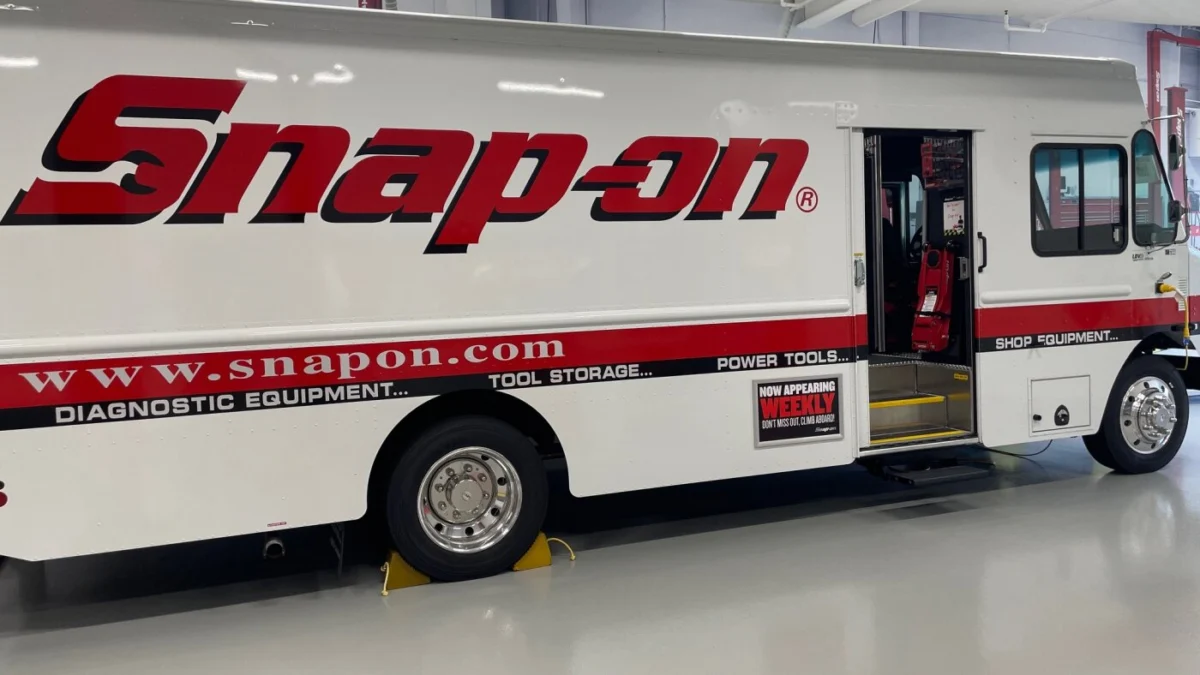
KENOSHA, Wis.— snap-on, a century-old maker of high-end tools for professional mechanics, is drawing attention from the Federal Reserve as economists study how specialized domestic manufacturing can thrive. This week, Austan Goolsbee, president of the Chicago Fed, visited Snap-on’s Kenosha headquarters to observe what the central bank calls the company’s “secret sauce.” The visit came as the Fed examines how firms in the Midwest sustain growth amid tighter financial conditions and shifting supply chains.
Snap-on’s business model centers on deep customization and a dense network of franchisees who periodically visit nearly a million neighborhood shops with a fleet of mobile showrooms. The company markets 85,000 different tools, each designed for a particular task—from repairing cars and airplanes to specialized work on more complex machinery. CEO Nick Pinchuk emphasizes that the firm’s core capability lies in continuous observation of work at the point of use, translating those insights into tools that save time and increase productivity.
The enterprise relies on thousands of franchisees who visit customers weekly, providing credit to mechanics to purchase tools. About four-fifths of Snap-on tools are manufactured in the United States, a factor that adds resilience amid tariff debates and global supply disruptions. With 15 U.S. factories, Snap-on maintains a highly flexible production line, capable of retooling models rapidly to meet evolving demand.
Pinchuk notes that Snap-on deliberately markets tools to professional technicians rather than the general consumer, safeguarding the brand’s premium positioning. The approach has fostered strong brand loyalty across generations of mechanics who often encounter Snap-on tools during technical training or apprenticeships. Some of them even keep micro Snap-on toolboxes as mementos.
For Goolsbee, the visit underscores a broader lesson: domestic manufacturers can prosper through specialization and close ties to skilled labor, even in a volatile economy. The Fed official says the company “scratches a very specific itch” and that such productivity gains are a key source of growth in the sector.
The visit to Snap-on illustrates how a focused, high-skill manufacturing model can support steady profitability and employment in the Midwest, even as broader macro indicators fluctuate. While the economy contends with varying demand and policy considerations, Snap-on’s emphasis on tailoring tools to precise tasks and maintaining a robust field force remains a notable example of American manufacturing resilience.


