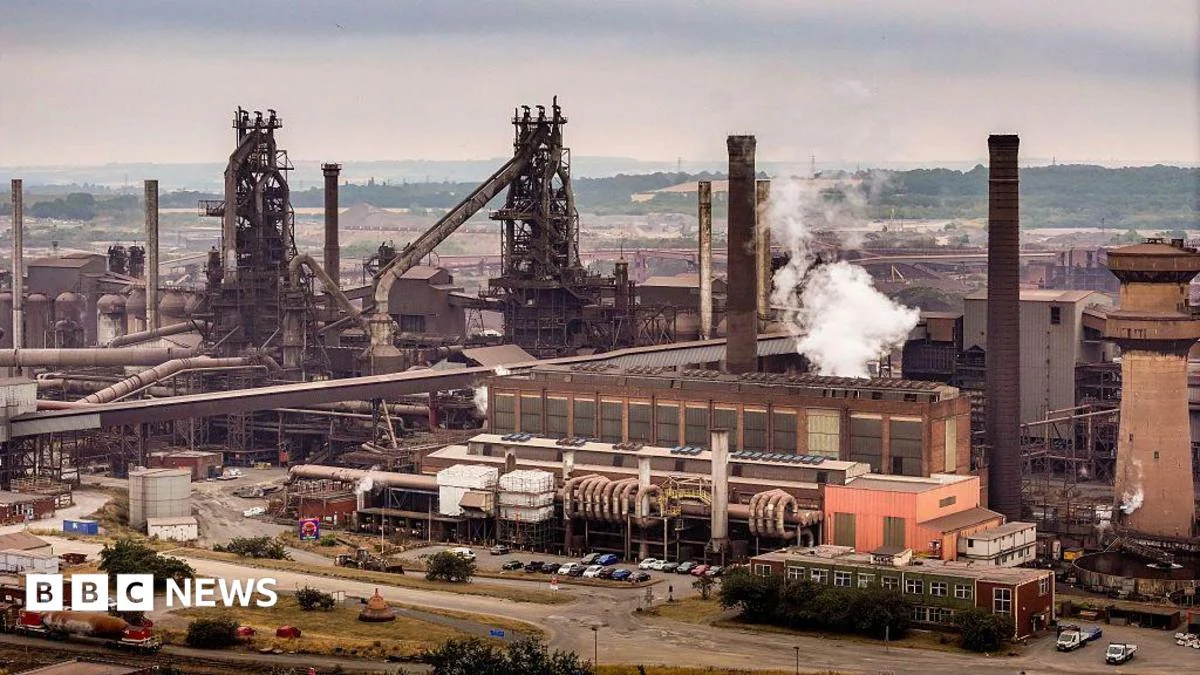
China has criticised the UK government’s decision to nationalise the loss-making British Steel unit, saying it “firmly opposes and is strongly dissatisfied with the British government’s decision.” The move, aimed at protecting UK jobs and safeguarding a “vital national capability,” follows Parliament’s approval of legislation allowing public ownership in cases meeting a public interest test. Britain took control of British Steel’s Scunthorpe operations last year, while the company remained owned by Jingye Group, limiting government influence over its future.
Beijing’s commerce ministry said the steps infringed Jingye’s rights and harmed the confidence of Chinese investors in the UK, and it urged Britain to fulfil its obligations under the China–UK Bilateral Investment Treaty. The ministry accused London of forcibly seizing control “in the name of national security,” arguing Jingye had made significant contributions to the UK economy and society. It added that Beijing would monitor developments closely and back Chinese firms in protecting their rights.
The government’s move comes as Andy Burnham prepares to take office as prime minister, a situation that could shape how the UK manages its relations with the world’s second-largest economy. Officials say the nationalisation gives the government the ability to decide the plant’s future while keeping the blast furnaces running, though there is little expectation that the state will run the business long term due to ongoing costs. The National Audit Office previously noted the Scunthorpe site was costing the government roughly £1.3 million per day in March, and Jingye has indicated the business was losing about £700,000 daily.
Business Secretary Peter Kyle told the BBC the government would need to cover running costs “for the immediate future,” underscoring the ongoing financial strain of maintaining the operation under public ownership.


