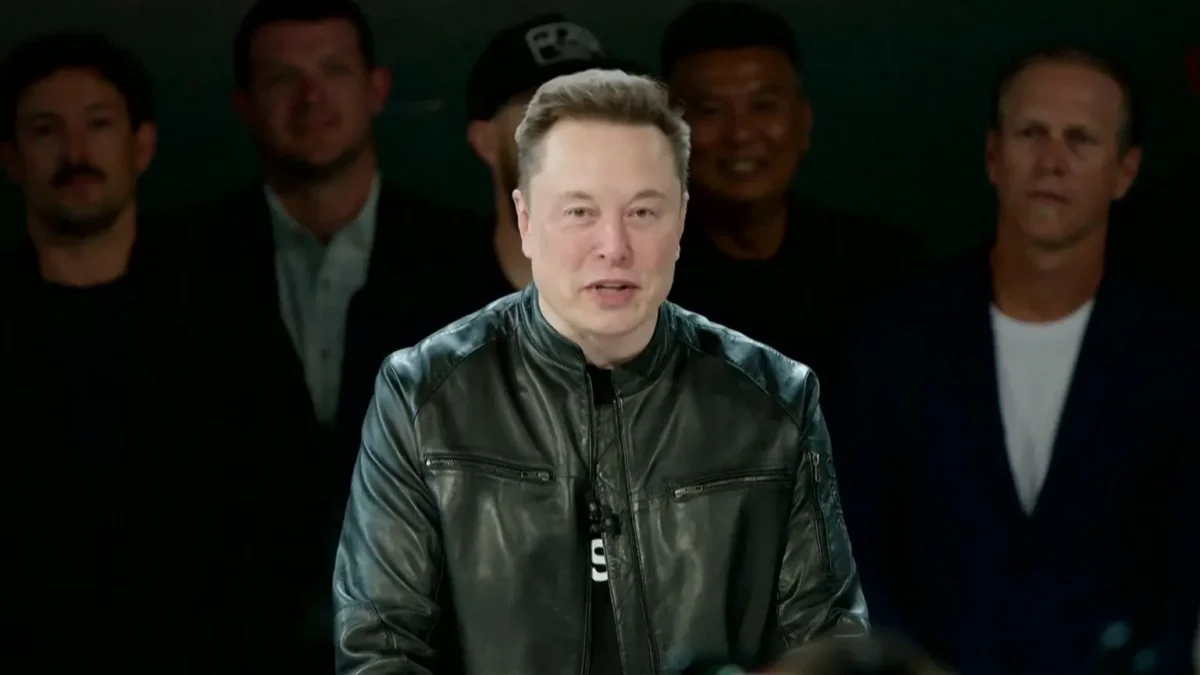
Elon Musk on Friday became the world’s first trillionaire as shares in his SpaceX rocket company surged during the largest stock market debut on record. The Tesla and SpaceX founder’s net worth is now reported at $1.11 trillion, according to the Bloomberg rich list, with the company valued at about $2.2 trillion as SpaceX began trading on the Nasdaq. SpaceX offered shares at $135 each, but they opened at $150 and briefly touched $176.50, signaling strong investor appetite for Musk’s multi‑business empire tied to space, rockets and AI.
SpaceX closed the day near $161 a share, cementing a long‑running market narrative that skews toward high growth and unproven profitability. The IPO raised roughly $75 billion from investors and underwriters before shares hit the open market. Musk holds roughly 42% of SpaceX, which gives him substantial influence over corporate decisions, while also exposing him to the stock’s fortunes as a benchmark for his overall wealth.
Bloomberg’s tallies put Musk’s SpaceX holdings at about $767.1 billion at close, with an additional $53.8 billion in SpaceX options. He also retains about $168 billion in Tesla stock and $116.4 billion in Tesla options, underscoring how his fortune is anchored in a handful of high‑flying technology and aerospace assets.
The market enthusiasm comes as SpaceX has yet to post sustained profits. The company reported losses in 2025 and 2026 tied to heavy capital spending on AI and other infrastructure, while maintaining a business model focused on rocket manufacturing, reusable launch tech and Starlink satellite services. SpaceX’s IPO materials highlight ambitions beyond Earth, including plans tied to a broader “lunar economy” that would enable more regular travel to the Moon and Mars—an idea the company acknowledges may or may not be commercially viable.
Analysts noted the rally appeared driven by hype, scarcity and belief in Musk’s vision as much as fundamentals. Nancy Tengler of Laffer Tengler Investments said caution was warranted, calling AI investments a “cash incinerator” while still choosing to participate for long‑term upside. Tengler highlighted a multi‑year investment horizon of three to ten years and even floated the possibility of a future SpaceX‑Tesla merger, though such speculation remains uncertain. Other observers warned that the stock's trajectory will depend on longer‑term price stability and the ability of SpaceX to translate its potential into steady profitability.
Market watchers also considered the wider effects of such unprecedented wealth concentration. The trillionaire milestone drew debate over wealth taxes and inequality, with policymakers and commentators weighing how the holder of vast unliquidated equity might influence markets, geopolitics and public policy.
SpaceX’s market debut also raised questions about how millions of investors—including those in pension pots and index funds—will fare if SpaceX’s price fluctuates significantly in the coming months. Equity teams emphasized that long‑term price performance matters more than first‑day moves for many market participants.
Despite questions about near‑term profitability, SpaceX frames the IPO as a milestone for its growth strategy—financing rockets, Starlink satellites and AI ventures, including speculative data‑center projects in orbit. The company has highlighted a mission to advance space access and exploration, while acknowledging the inherent uncertainties in several of its initiatives.
As the dust settled, Musk’s trillionaire status and SpaceX’s lofty valuation underscored a market belief in the transformative potential of private spaceflight, digital infrastructure, and AI–driven technology, even as the path to sustained profitability remains under close scrutiny by investors and regulators alike.


