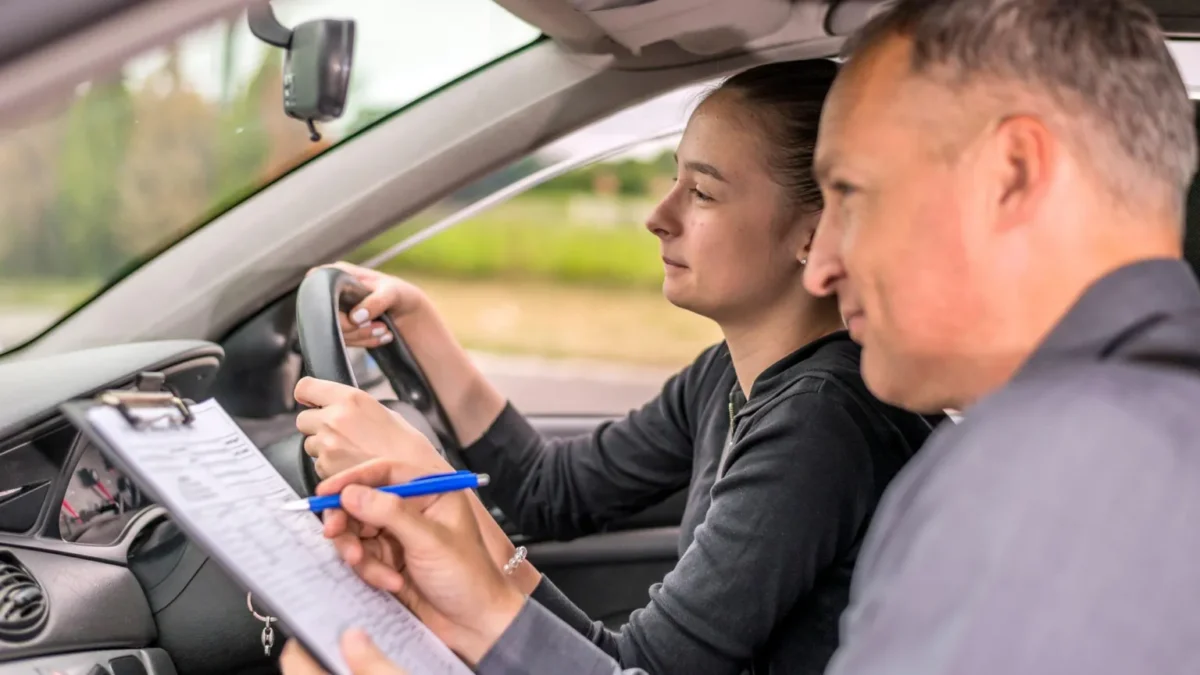
The Transport Secretary told MPs that the backlog in driving tests will not meet the target reduced wait time of seven weeks until autumn next year, according to DVSA figures cited by BBC. The latest data show the average time to book a test stood at nearly 22 weeks last month, underscoring a sharp climb from pre-pandemic levels. In November, Heidi Alexander announced measures to curb long waits and prevent test slots from being hoarded or sold at inflated prices, including bots gaming the system. Since then, changes have been implemented, such as restricting bookings so that only learners themselves can book tests, with broader access tightened over time.
Before the Covid-19 outbreak, the wait typically hovered around five weeks. The DVSA’s initial pledge aimed to cut the average waiting time to seven weeks by the end of 2025, but Alexander pushed that target back to summer 2026 and admitted last November that even that would be unlikely to materialise. She told a Committee of MPs that while the government has taken substantial steps, demand remains very high and more work is needed to ease the backlog.
The issue has drawn concern from learner drivers, some of whom resorted to purchasing slots from resellers at prices well above the official cost. A BBC investigation last December highlighted driving instructors allegedly receiving kickbacks of up to £250 a month to share login details with touts, intensifying pressure on the booking system.
In response, several changes have been rolled out. By the end of March, the rule limited booked slot changes to two, such as date or test centre. Since 12 May, only pupils can book driving tests, excluding instructors and others. From 9 June, test moves can only be made to the three centres closest to the original booking location, a measure designed to deter learners from grabbing the earliest slots anywhere and then swapping them to nearer home.
The Transport Secretary said there is already evidence of less speculative booking since these updates, noting, for example, a 70% drop in test swaps. She reiterated her aim to restore a booking process where tests can be booked without monthslong waits in certain locations, while acknowledging that the overall demand picture remains challenging.
On the staffing side, Alexander cited a net increase of 147 driving examiners in the 12 months to May, though she cautioned that published wait-time figures so far have not been very helpful. As a result, officials plan to publish statistics more routinely, broken down by driving test centre to improve transparency and track progress.
Overall, the government’s efforts to modernise the booking system and clamp down on abuse are continuing, but politicians and learners alike must wait longer for a return to the days of shorter, five-to-seven-week waits in many parts of the country.


