The U.S. Department of Justice has signed off on Paramount Skydance’s proposed acquisition of Warner Bros. Discovery, marking a federal antitrust clearance for a deal valued at about $110 billion. The ruling comes after a review that the department described as having completed its analysis and found the transaction not likely to harm competition or American consumers. The approval is framed as a significant milestone, yet legal and regulatory hurdles remain as state attorneys general may challenge the merger.
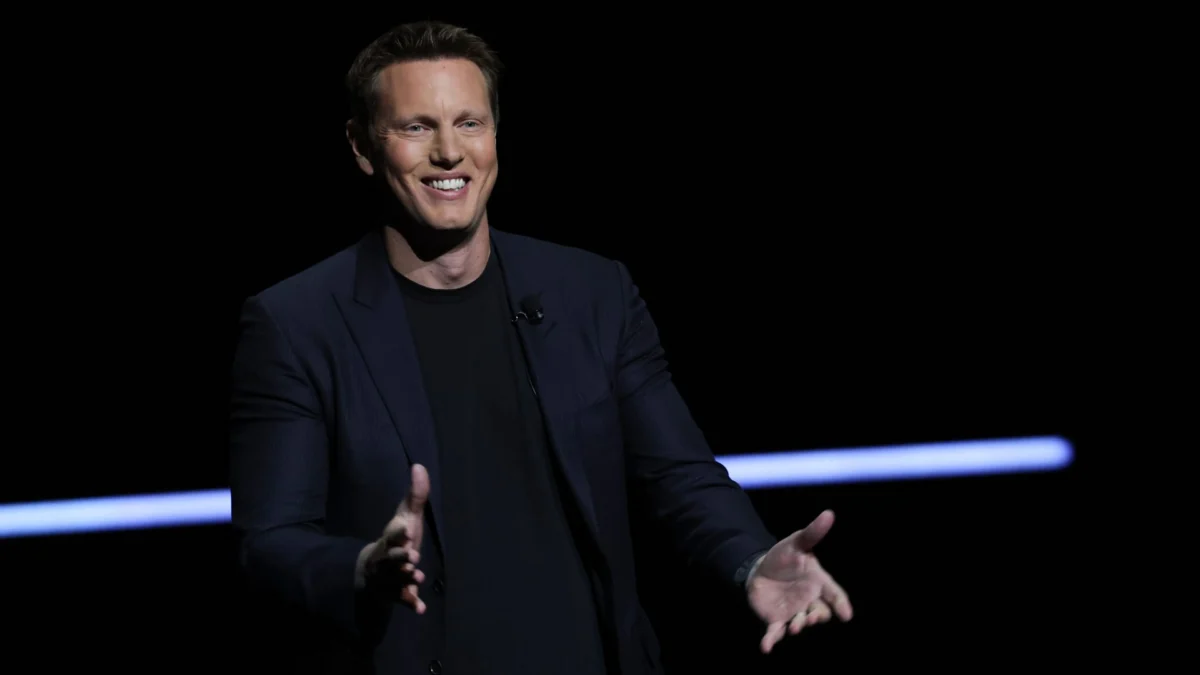
Paramount executives have repeatedly said the transaction remains on track to close by September. During an April earnings call, Paramount CEO David Ellison told investors the deal was proceeding toward closure by that timeline, noting a ticking fee would take effect after closing, potentially making the arrangement more expensive for the firms involved. Ellison has also participated in public appearances, including remarks at CinemaCon in Las Vegas on April 16, 2026, illustrating the company’s push to win broad regulatory and market support for the merger.
In its determination, the Justice Department emphasized that the division’s analysis concluded the merger would not likely harm competition or American consumers. A Paramount spokesperson expressed gratitude for the rigorous review, noting the agency-wide clearance among the agencies involved and reiterating the deal’s pro-competitive nature. The spokesperson argued the combination would create a stronger company better positioned to compete against dominant technology platforms in an environment characterized by intense competition for audiences, talent, technology, and investment.
Even with federal clearance, the process is not complete. California Attorney General Rob Bonta has indicated the proposal remains under investigation by the California Department of Justice, underscoring continued regulatory scrutiny at the state level. The merger has already cleared several hurdles: Warner Bros. Discovery shareholders approved the deal, and Paramount reported that the Australian Competition and Consumer Commission granted approval. European regulators have begun their review, with July 14 set as a deadline for vetting as Europe weighs the transaction.
The deal’s scale remains a talking point in markets, as investors gauge how the combination could reshape media, streaming, and content distribution. Paramount’s stock rose in after-hours trading following the DOJ announcement, reflecting investor optimism about federal clearance while remaining wary of ongoing state and international reviews.
The proposed merger is the culmination of a lengthy negotiation process that began with Paramount’s bid in February and a subsequent $31 per share offer to acquire all of WBD’s assets, including CNN, TBS, HBO Max, and the Warner Bros. film studio. The combination was previously up against a competing proposal and a non-trivial degree of regulatory scrutiny across multiple jurisdictions, including Australia, Europe, and the United States.
As the timetable progresses, market participants will be watching for any adjustments to the expected close date, potential ticking fee terms, and responses from remaining antitrust authorities. The approval from the DOJ does not guarantee a smooth path to closing, but it removes a principal federal obstacle in a transaction that remains one of the most closely watched media consolidations in years.


