Box Office Performance and Projections
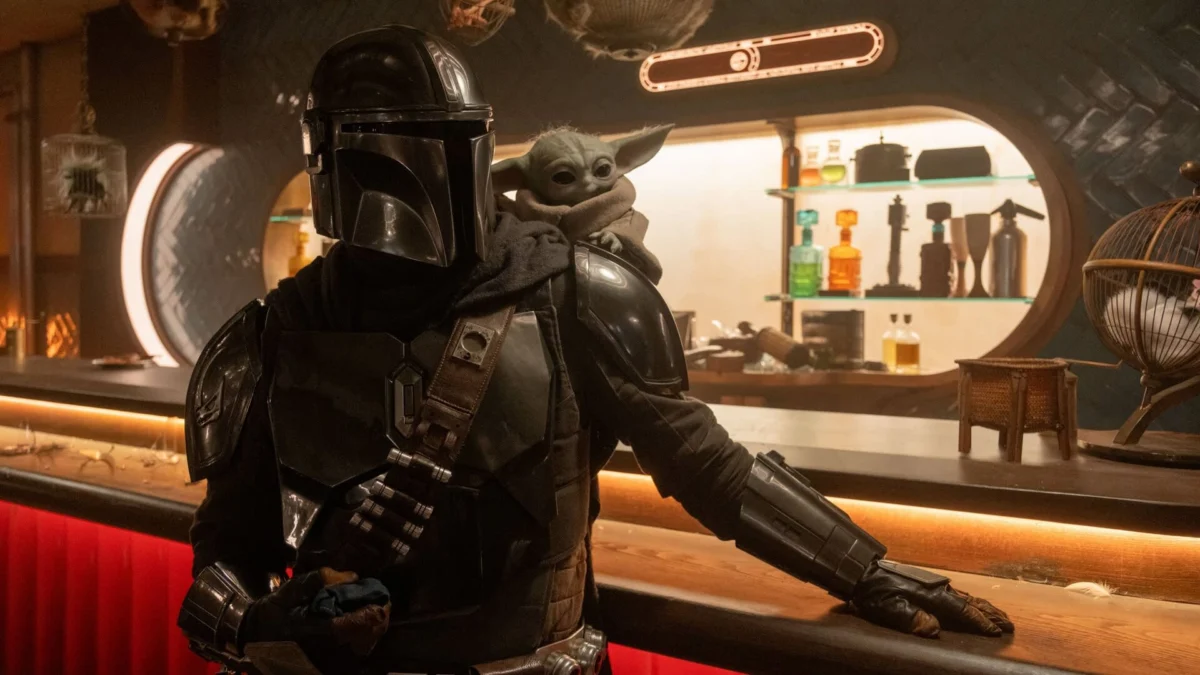
Disney’s highly anticipated return to the big screen with “Star Wars: The Mandalorian and Grogu” has kicked off with the lowest Thursday night preview sales in the franchise’s history. The film garnered $12 million in preview ticket sales, according to data from Comscore. This figure falls short of previous franchise entries, with “Solo: A Star Wars Story” previously holding the record for the lowest preview collection at $14.1 million in 2018.
Box office analysts are projecting a weekend performance that, while potentially lower than some past installments, is still expected to be significant. Conservative estimates suggest the film will earn around $80 million over the three-day opening weekend and approximately $95 million for the extended four-day Memorial Day holiday weekend. More optimistic forecasts from some experts place the three-day total at $95 million and the holiday weekend haul at $115 million.
Should the film reach the higher end of these projections, it would still represent one of the smaller openings for a “Star Wars” movie in recent cinematic history. For context, “Solo” grossed $84.4 million during its opening weekend eight years ago. Data from Comscore indicates that since 2015, only “Solo” has opened domestically to less than $100 million.
Franchise Context and Future Implications
The performance of “The Mandalorian and Grogu” is being closely watched as a potential indicator for the future of “Star Wars” theatrical releases. The franchise, alongside Marvel, was instrumental in Disney’s dominance at the global box office during the 2010s. However, recent years have seen a less robust cinema run for both “Star Wars” and Marvel tentpole films.
The studio has future “Star Wars” films planned, including “Starfighter” set for a 2027 release, starring Ryan Gosling and directed by Shawn Levy. “Star Wars” films have been absent from cinemas since 2019’s “The Rise of Skywalker,” the final installment of the sequel trilogy. While “The Rise of Skywalker” surpassed $1 billion globally, it received mixed reviews from critics and fans, prompting Disney and Lucasfilm to shift focus towards streaming.
The success of the Disney+ series “The Mandalorian,” which premiered shortly before “The Rise of Skywalker,” led to a pause in theatrical production in favor of expanding the franchise on streaming platforms. This strategy resulted in several live-action series, including “Andor,” “Obi-Wan Kenobi,” “Ahsoka,” “Skeleton Crew,” “The Acolyte,” and “The Book of Boba Fett.”
Jon Favreau, who was instrumental in bringing “The Mandalorian” to Disney+, is at the helm of “The Mandalorian and Grogu,” working alongside Dave Filoni, the new head of Lucasfilm. The film’s production budget is estimated at around $165 million, which is notably smaller than the $250 million or higher budgets reported for other “Star Wars” theatrical releases in the past decade, according to data from The Numbers. This lower budget suggests a reduced profitability threshold for the new film.
Beyond Box Office: Consumer Products and Theme Parks
Disney’s strategy for “The Mandalorian and Grogu” extends beyond ticket sales, with a significant consumer products launch planned to coincide with the film’s release. The “Star Wars” franchise has a proven track record of strong retail performance, even without a theatrical presence. The popularity of characters like Grogu, affectionately known as “Baby Yoda,” has historically driven substantial sales.
For instance, following the 2015 release of “Star Wars: The Force Awakens,” Hasbro reported nearly $500 million in “Star Wars” product sales. Disney is also leveraging its theme parks, integrating specialized merchandise and updating attractions like Smugglers Run to feature Grogu, further capitalizing on the character’s appeal.
The film’s performance is expected to benefit from the popularity of the television series, the long Memorial Day weekend, and limited competition from other new releases, particularly on premium large-format screens. The success of this film is seen as a crucial test for the viability of future “Star Wars” theatrical ventures.


