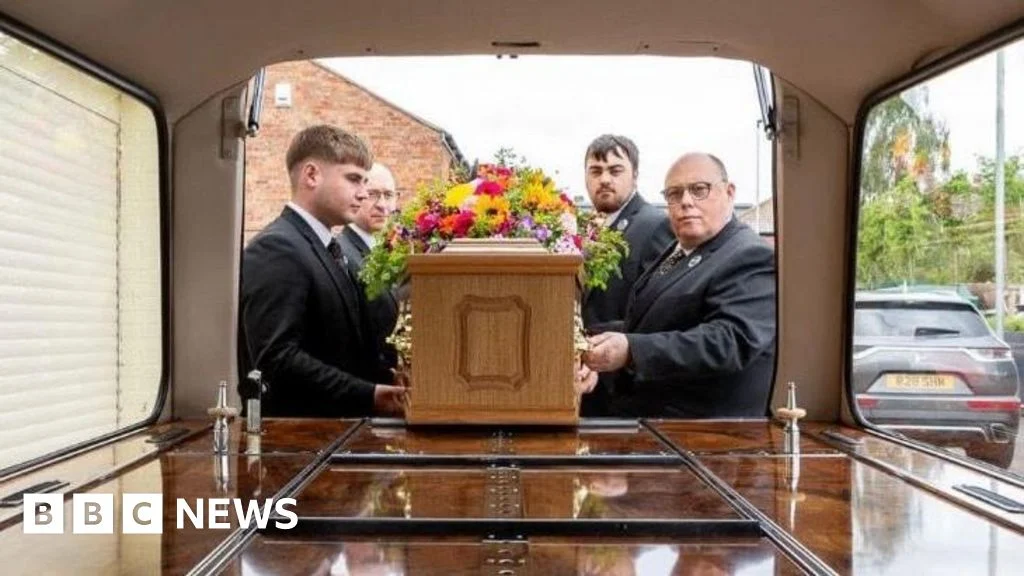
The rising cost of funerals in England is prompting more individuals to opt for direct cremations, a less expensive alternative. However, this choice is increasingly leading to regret and unresolved grief among those left behind, according to a report by insurance company SunLife and insights from funeral directors.
On average, a basic funeral in England is projected to cost around £4,285 in 2025, marking a 3.5% increase from 2024. This steady escalation in funeral expenses, which has been occurring quietly for years, is forcing families to consider more economical options.
Direct cremations, which involve the cremation of the deceased without any attendees present, are becoming a more common choice due to their lower price point. Despite the financial relief they offer, a significant number of people who arrange these services later express regret.
The National Society of Allied and Independent Funeral Directors (SAIF) reported that nearly one in five individuals who opt for a direct cremation now regret their decision. Furthermore, an equal proportion of people indicate that this choice has left them with unresolved grief.
Ed Cullen, a resident of Taunton in Somerset, shared his experience after his mother passed away. She had pre-arranged an unattended cremation, believing it to be a more cost-effective option. This decision meant that Ed and his family were unable to say their final goodbyes.
"I was told she made funeral arrangements but not what type of funeral," Cullen stated. "She was quite private and didn't express that in depth. She thought she was saving us all the hassle." He explained that after becoming estranged from his mother in his youth, he had grown very close to her over the past two decades. The inability to bid her farewell has resulted in considerable stress and painful memories.
Cullen strongly advised against this method of final disposition, emphasizing the devastation it can leave behind. He also noted that individuals facing financial difficulties in affording a funeral can seek assistance from the government or consult with funeral directors about available options.
The government provides a Funeral Expenses Payment for those eligible based on certain government benefits. The SunLife report indicates that this subsidy covers approximately 46% of the total funeral costs, on average, for recipients.
Additionally, public health funerals are available, which are basic funeral services arranged and funded by the local authority. These are typically for individuals who have no other means of covering funeral expenses.
Simon Helliar-Moore, an independent funeral director based in Taunton, highlighted that the costs associated with funerals, such as crematorium fees and coffins, increase annually. "Being a business that tries to care, those costs have to be passed on. We are in a difficult situation," he commented.
Helliar-Moore advised families to conduct thorough research and consider options beyond their immediate local funeral provider. He added that most independent funeral directors strive to work collaboratively with families to ensure they can arrange an appropriate farewell.
Terry Tennens, chief executive of SAIF, underscored the deeper significance of funerals. "A funeral is not just about loss, it is about remembrance, connection and celebration of life," he said.
"Our findings show that when families are denied that moment, some can be left with a lasting sense that something important is missing," Tennens continued. "It underlines why open conversations about funeral wishes matter so much, so that decisions made after a death reflect not just financial considerations, but also the emotional needs of those left behind."
A spokesperson for the Department for Work and Pensions acknowledged the emotional and financial toll of bereavement. "Losing a loved one is devastating and we understand the financial impact it can have on families," the spokesperson stated.
"That's why we have a Funeral Expenses Payment scheme to help those who are eligible meet the cost of arranging a funeral, while offering an additional £1,000 to meet other funeral expenses," they added. The department also offers Bereavement Support Payments to assist individuals during the initial period following a loss.
The trend towards direct cremations, while financially motivated, raises significant concerns about the emotional well-being of grieving families and the importance of providing opportunities for closure and remembrance.


