The FIFA World Cup 2026 kicked off on June 11 and appears to have boosted consumer activity in host cities across the United States, according to new data from the Bank of America Institute. The bank's internal card data show total consumer spending on credit and debit rose 6.3% from a year earlier in June, the strongest year-over-year gain in more than four years. When gasoline is excluded, spending still rose 5.6%, underscoring that the lift was broad-based beyond fuel purchases.
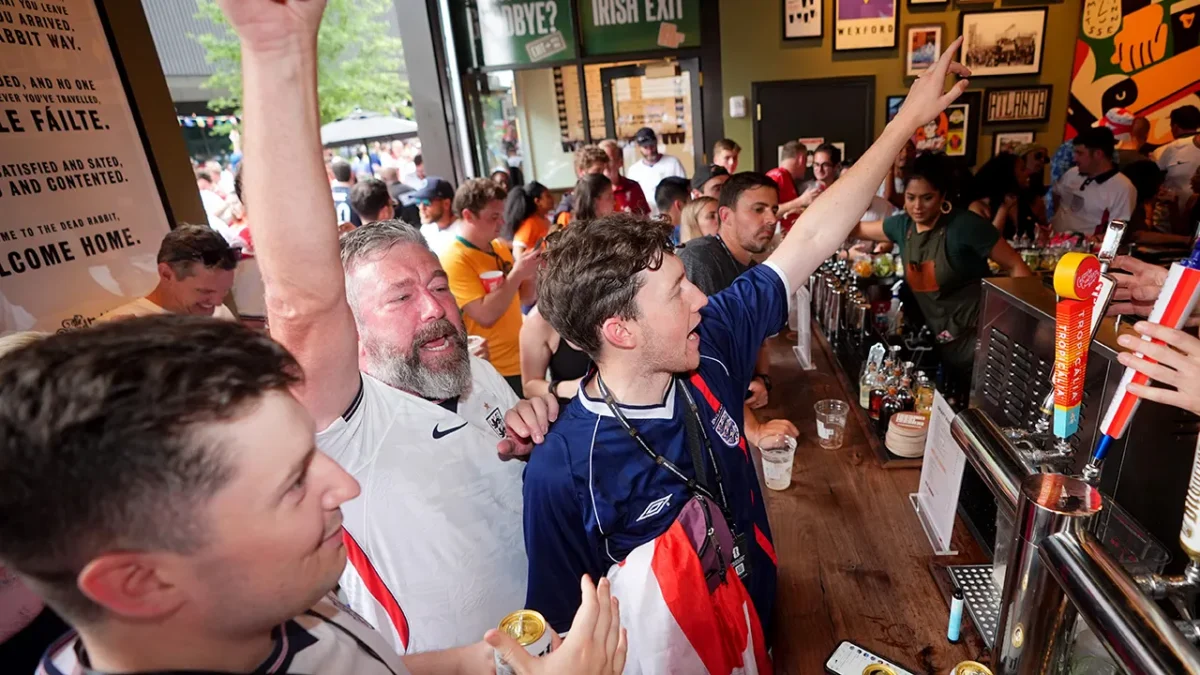
Bank of America noted that the surface of the June surge was discretionary in nature, with a notable tilt toward dining and entertainment as households responded to the World Cup schedule and related promotions. Analysts highlighted that the World Cup’s presence in host communities helped concentrate activity in brick-and-mortar venues, including restaurants and bars, as well as retail outlets in the surrounding areas.
The analysis compared spending by zip code in World Cup host cities with activity in other parts of the country, suggesting that a portion of the June increase was localized to the competition’s footprint. Restaurants in host cities led the gains, while non-restaurant retailers outside the World Cup zones demonstrated slower momentum once the tournament began. In host cities, brick-and-mortar spending rose more sharply than in the rest of the country, a differential the bank attributed to game-day crowds and promotions tied to the event.
Bank of America Institute economist Joe Wadford stressed that World Cup-related spending appeared to persist through the month, with improvement toward the end of June. He described the development as a “tailwind” for the economy, noting that local retailers and restaurants were among the principal beneficiaries. According to Wadford, the combination of strong labor market momentum and rising wages helped support spending for lower-income households, who registered the most pronounced gains in in-person spending in host communities.
The institution’s findings also point to a broader trend: while the World Cup boosted activity in host areas, the spending trajectory across the nation remained resilient, aided in part by promotional activity around the tournament. The bank’s analysis indicates that the spending lift was not limited to entertainment; it also extended to everyday consumer purchases in nearby businesses that benefited from increased foot traffic during the World Cup period.
Overall, the World Cup effect appears to have contributed to stronger June spending figures, reflecting a combination of event-driven consumer enthusiasm and ongoing improvements in the labor market. As the month closed, the data suggested that the spending impulse from the World Cup helped offset slower dynamics in other areas, reinforcing a narrative of modestly improved consumer demand in mid-2026.


