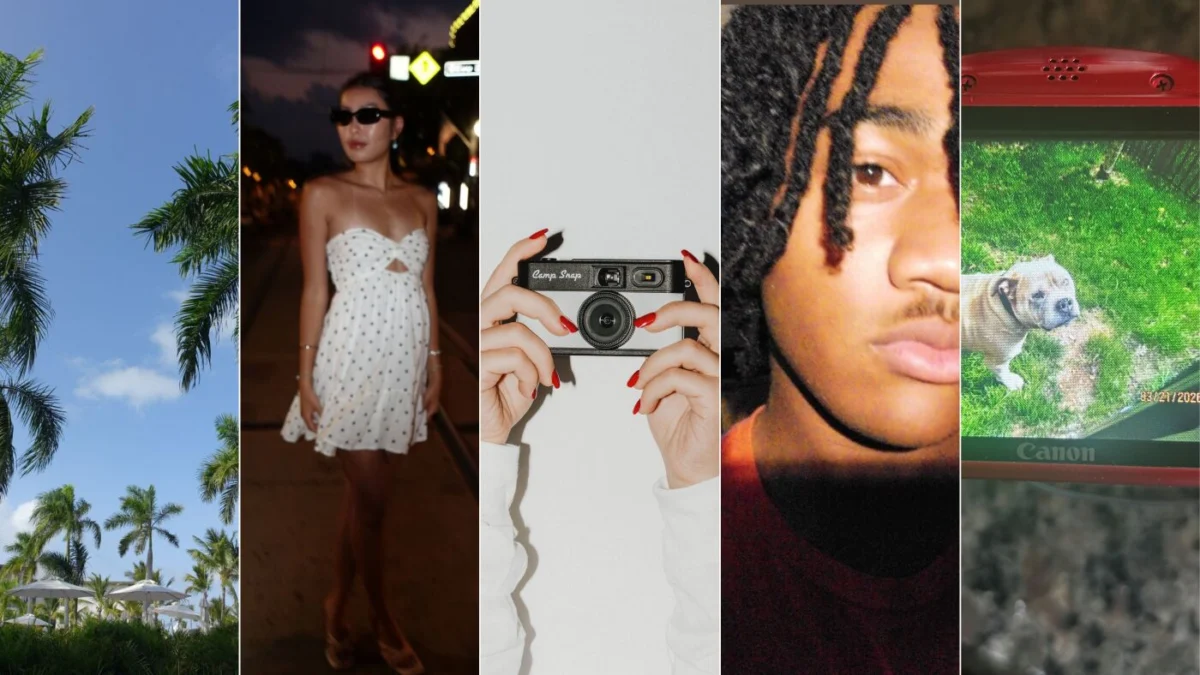
The 2000s digital camera is cool again, and the pull goes beyond nostalgia. NPR’s Alina Selyukh reports that old‑school digicams are resurfacing in bars, at festivals, family gatherings and even weddings, driven by a mix of trend cycles, childhood memories and fatigue with smartphones. The revival began when camps started banning screens and Camp Snap introduced a screen‑free camera for summer use. The device’s simple design—a viewfinder, a flash, and no immediate photo preview—harks back to late‑1990s point‑and‑shoots. Yet the demand appears to have broadened well beyond kids at camp. “All of a sudden, out of nowhere, a lot of Gen Z, millennial demographics started buying them,” Camp Snap President Trevor George told NPR, noting a rapid shift to an adult audience.
Canon’s PowerShot line is a notable beneficiary of this renewed interest. NPR reports that Canon told them sales of the PowerShot more than quintupled from 2022 to 2025, underscoring a revived appetite for dedicated cameras even as smartphones dominate casual photography. Camp Snap likewise reported that its own sales more than doubled in the past year. The revival has touched popular culture as well: last year Camp Snap released a retro screen‑free camcorder that has appeared with celebrities such as Selena Gomez and Joe Jonas, including a sighting at Taylor Swift’s wedding.
For younger observers, the trend represents a fresh way to perceive everyday moments. Jaden Williams, a 16‑year‑old from North Carolina, began using a point‑and‑shoot in yearbook class and soon found its photos felt more “genuine.” He now uses the camera alongside his phone and has shared examples of recent shots—food, a dog photo in bright sun, and other ordinary moments—to illustrate the camera’s distinct vibe. Williams explains that for casual, social settings, the digicam can offer a different mood than a smartphone.
There’s a clear aesthetic driving the appeal. The turn‑of‑the‑millennium photos are recognizable for their grain, occasional blur and center exposure quirks, often with a date stamp in red or orange. Many users value the nostalgic haze as a memory‑making artifact rather than a technical shortcoming. Katie Coyne, 24, from New York, says iPhone imagery can feel too “real,” while her sister Gwen, who lives in Philadelphia, adds that the retro look can lend “vacation vibes” to photos taken abroad. The visual quality is memorable, but the appeal leans more toward emotion and style than toward technical prowess.
This nostalgia wave coincides with a broader desire for alternative formats amid a flood of digital content. For some, the camera’s grainy, vintage look provides a respite from the relentless clarity and immediacy of modern device photography. For others, the camera serves as a tool to disconnect—an “analog reboot” in a world of ever‑on screens. Camp Snap’s George frames the trend as part of a broader move away from constant digital connectivity, with screens taking a less central role at events and in daily life.
The ecosystem supporting this revival extends beyond cameras. eBay has reported a rise in searches for older tech, including iPods, CDs and Walkmans, signaling a wider appetite for analog devices. In professional settings, wedding photographers say clients increasingly ask for the warm look of older digicams for moments like ceremonies and speeches, even while continuing to rely on digital tools for editing and sharing. The result is a hybrid photography culture that blends retro aesthetics with contemporary platforms.
In summary, the 2000s digital camera revival is not a niche curiosity but a broader response to smartphone fatigue and a search for tangible, human moments captured with a device that feels more like a memory than a status update. Canon and Camp Snap’s experiences, along with observable consumer behavior, point to a sustained interest that could influence how people think about personal photography in the years ahead.


