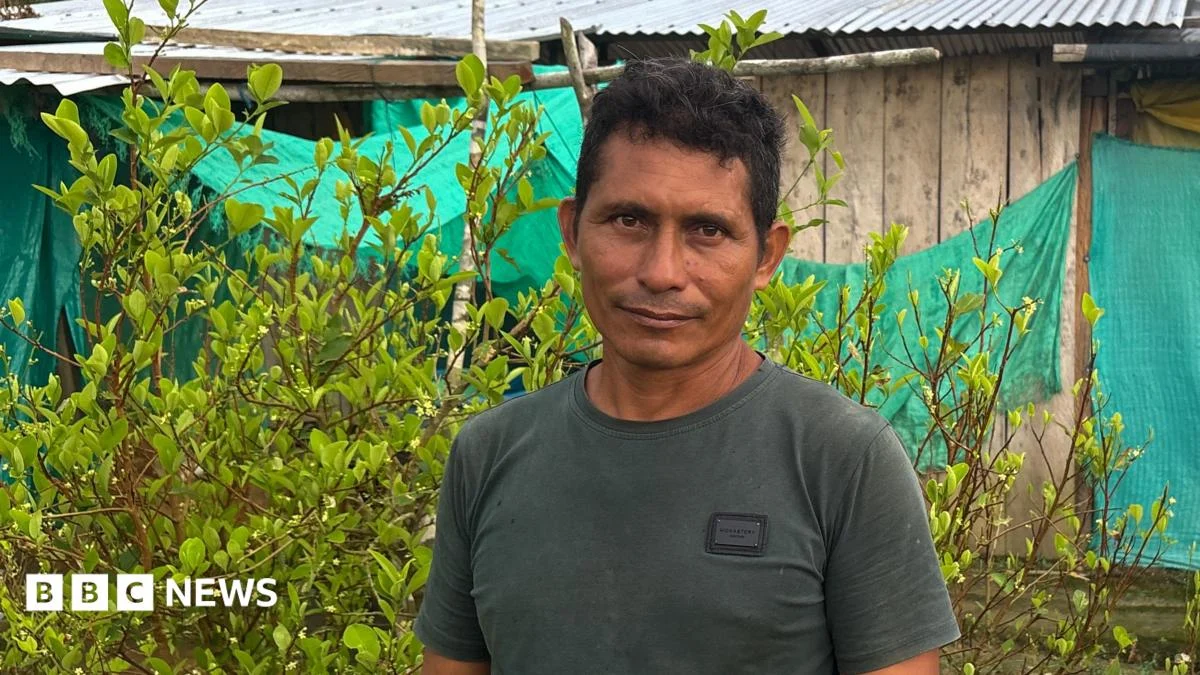
When Perea stopped growing coca, the raw material used to make cocaine, he vowed never to plant it again. He uprooted the green bushes on his small farm in a remote corner of Meta province in Colombia, reachable only by river, and replaced them with legal crops such as cassava and plantain. Perea was among thousands who joined a government-led crop-substitution programme designed to help farmers abandon coca. Yet promised assistance did not always arrive, and poor road access and recurring floods created barriers to selling his harvest. By 2024, disillusioned, he began planting coca again.
It is a pattern that underscores the broader challenge of shifting rural livelihoods away from illegal crops in parts of Colombia. Coca leaves are historically tied to coca production and have become largely the raw material for cocaine. An expert on the coca economy notes that coca cultivation has advantages for farming communities: harvests can be rapid, yielding multiple cycles in a year, and growers typically know the price they will fetch for their product. The national substitution effort sought to channel farmers toward legal livelihoods with technical support and agricultural guidance in exchange for uprooting coca.
In the early stages, the programme showed potential. In districts within Meta and Guaviare, coca plots gave way to lemon trees, banana crops and small livestock farms, and some families reported improved livelihoods. Yet many farmers say the state’s commitment was uneven. Payments were delayed, technical assistance often did not materialise, and weak state presence in rural areas meant limited delivery of support.
Political priorities shifted over time. Iván Duque, who took office in 2018, steered policy toward eradication and security, while when Gustavo Petro assumed the presidency in 2022, PNIS remained behind schedule and struggled to reach communities. Some farmers experienced tangible gains, such as Doralba Bejarano in Meta, who says support eventually arrived and reduced fear of enforcement. Still, others remained wary: the government’s outreach and resources did not consistently reach households in need, and some farmers faced ongoing insecurity as fighting among armed groups persisted and trafficking routes remained active.
Today, coca planting is reported at record levels, with estimates placing the area at more than 250,000 hectares. The coca economy continues to influence local economies and regional development, even as observers emphasise the role of illicit markets in driving demand in the United States, Europe and other markets. A regional researcher says that coca cultivation can bring short-term economic boosts to some municipalities, but analysts question whether substitution strategies alone can produce lasting change.
The government has rolled out new steps, including RenHacemos, a programme intended to build on PNIS by addressing its shortcomings. The plan expands financial support while also aiming to diversify local economies beyond coca, with road improvements, access to higher education, digital connectivity and improved housing. An official involved in illicit-crop substitution underlines that coca remains a business, but stresses the sector’s broader economy extends beyond the plant itself to processing, transport and related activities. Analysts emphasise that ongoing violence and the resilience of trafficking networks complicate efforts to implement substitution programs across rural Colombia.
Despite policy adjustments, many farmers, including Perea, remain skeptical about state support arriving in time. He notes the community’s hardships and says that for now he will continue growing coca, not as a choice to engage in crime, but because it is his perceived option given current conditions.


