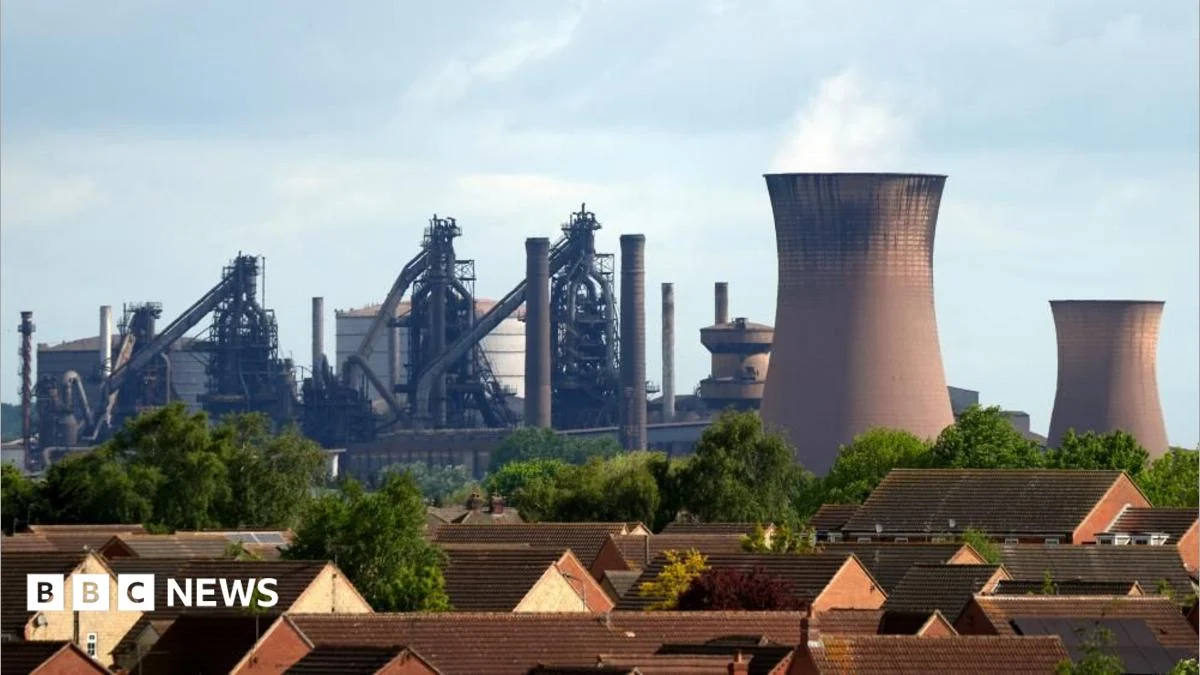
The former owner of British Steel says it will pursue compensation from the British government after the loss-making business was nationalised. The United Kingdom took control of the Scunthorpe steelworks a year ago, following Jingye Group’s plan to close the site for financial reasons, and fully nationalised the plant on Thursday. In a Sunday statement, Jingye said it will seek full compensation through legal means to the very end over the government’s move. A government spokesperson indicated that draft compensation regulations due this autumn will outline a process whereby an independent assessor would determine what, if any, is payable.
Jingye bought the Lincolnshire plant in 2020, but in March of the following year the company opened a consultation on its closure, citing losses of about £700,000 a day. The government took control of British Steel operations in April 2025, though the firm remained under Jingye’s ownership until this week, which limited the government’s ability to shape the plant’s future.
On Thursday, London said it was placing the firm into public hands to safeguard a vital national capability and to give the government the power to decide the plant’s future. The decision has added tension to UK–China relations just as political leadership changes were underway in Britain. China criticized the nationalisation, asserting it infringed Jingye’s rights and damaged confidence among Chinese investors in the UK. Beijing signaled support for Chinese firms to protect their rights, without detailing possible actions.
A UK government spokesman said that commercial negotiations with Jingye had not produced an agreement that represented value to the taxpayer. The steelworks employs about 2,700 people and supports other industries in North Lincolnshire, though it has faced persistent uncertainty in recent years. The National Audit Office had, in March, reported that running the plant was costing the government roughly £1.3m a day. Business Secretary Peter Kyle stressed that closing the operation was not an option and that the government would continue to cover running costs in the near term. He warned that losing the business would also mean losing primary steel production capability in the country and increasing dependence on global supply.


