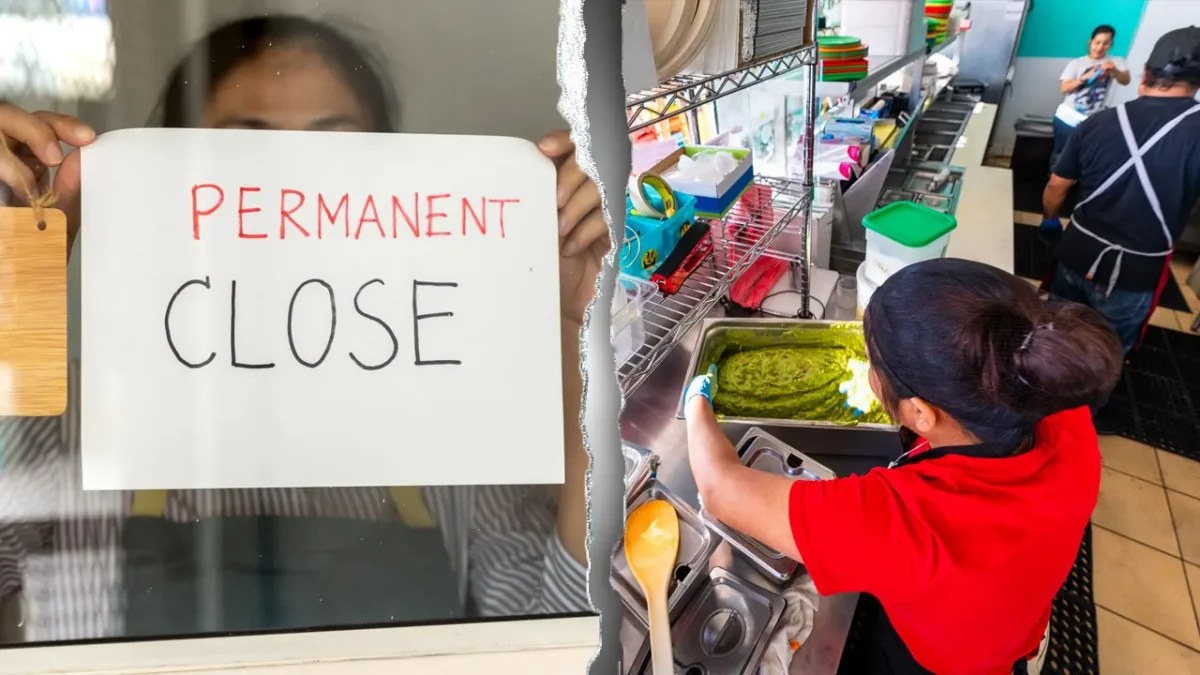
California's vibrant small business landscape is facing unprecedented challenges, with owners reporting they are "working for peanuts" as a confluence of record-high gas prices, escalating energy costs, and stringent regulations devour their profits. This "vicious cycle," as described by local leaders and entrepreneurs, is trapping businesses in a precarious financial situation, making it increasingly difficult to sustain operations and the California dream.
Mike Georgopoulos, a San Diego-based entrepreneur known as "Mikey G," exemplifies the struggles faced by many. With 25 years in the industry and 30 restaurants opened in the last decade, Georgopoulos has built a significant legacy. However, he now contends that the state's economic climate is choking the very dream he pursued. "The barrier to entry is insane," Georgopoulos told Fox News Digital. "It takes years to get permits and entitlement. It costs a lot of money, and there's a lot of money at risk before you even have your award of the appropriate permits."
The financial pressures are multifaceted. Georgopoulos highlighted that raw material costs have risen sharply, and energy bills have increased by 24%. This surge translates into a staggering 2% cost being deducted directly from the bottom line before any revenue is generated. In an industry where a 5% profit margin is considered a success, this erosion of profits is particularly damaging. "Owners are now 'trapped' in a 'vicious cycle' of record gas prices and what he calls predatory regulations that have them 'working for peanuts' just to keep the doors open," he warned.
Rising energy and electricity costs began to significantly escalate for California small businesses in 2022, following the pandemic. Georgopoulos noted that these bills have seen double-digit hikes, particularly since the intensification of the conflict involving Iran. To cope, he is "constantly" adjusting menu prices, admitting that prices should have increased by 100% over the past two years to reflect the true cost of doing business. However, he acknowledges an "upper limit to what people are willing to pay before they decide to cook it at home."
This necessitates cutting costs in other areas to maintain competitive menu prices. Georgopoulos pointed out that labor costs in California are among the highest nationwide, exacerbated by the absence of a tip credit system. Consequently, businesses are forced to reduce labor expenses by cutting staffing, shortening shifts, and reducing employee hours. This, in turn, negatively impacts the guest experience, creating a month-by-month struggle for survival.
Mo Tehrani, Co-CEO of Cardiff, a lending company that has funded over $12 billion in small business loans, corroborated the mounting pressure. "It's clear cash flows are clearly impacted by what we are experiencing today. Not only gas prices, but just turbulence in what the future has to hold for small businesses. But it's clearly from anywhere from accounts receivable to accounts payables, we're seeing some slowness in those factors. That basically tells us the pressure is there, and it's mounting," Tehrani told Fox News Digital.
Tehrani specifically addressed the impact of gas prices in California, which are among the highest in the country. "It's directly impacting small margins that the transportation sector operates under. So it's an immediate impact," he explained. "The pump obviously impacts how people hire, how people route their deliveries, surcharges, pricing their products, all those things are impacted."
Beyond the immediate financial strains, California's regulatory and legal environment presents a significant hurdle. Business owners like Georgopoulos are frequently targeted by "shakedown" lawsuits concerning wage and hour laws. These legal battles can cost hundreds of thousands of dollars annually, forcing businesses to settle or incur substantial legal fees for what are often described as frivolous claims. "These lawsuits are killing us," Georgopoulos stated.
Simultaneously, law-abiding business owners face aggressive health inspections and stringent permit requirements. This contrasts sharply with the situation of unpermitted, illegal vendors who operate with "impunity" in the same areas. Georgopoulos cited an example of 100 illegal hot dog vendors operating in downtown San Diego without permits or essential facilities like hand-washing stations, while legitimate businesses are subjected to strict enforcement.
Data from WalletHub further underscores the challenging environment for entrepreneurs in California. An analysis of over 1,300 small cities revealed that California is home to the most difficult environments for starting and running a business. The top rankings for challenging cities were exclusively occupied by California municipalities, including Pacifica, Danville, Castro Valley, and Saratoga.
According to the Public Policy Institute of California, the state's private-sector employer base has grown by 52% since 2005, significantly outpacing the 21% increase in public-sector entities. Despite this growth, the operational challenges remain immense. Tehrani noted that relocating a business is extremely costly and complex, making it difficult for many Main Street businesses to simply move to a more favorable economic climate.
"It's really costly to move an organization and folks and their customer base out of the state," Tehrani explained. "So for those that are fortunate enough, we're seeing that happen. But the majority of Main Street doesn't have that opportunity to do that." He added that many entrepreneurs are drawn to California due to its status as one of the world's largest economies and a desire to build businesses there, even if they must navigate historical operational rules.
Georgopoulos also cited the loss of staff, partly due to the lower cost of living and employment in more rural areas. Furthermore, the pervasive homeless crisis and associated vagrancy in urban centers like downtown San Diego contribute to staffing challenges. "We have 700 employees that we have to think about every single day… We want them to come into work and make money, and we don't want their costs to be so high," he said.
Tehrani believes that the survival of the U.S. economy is intrinsically linked to the resilience of small businesses, particularly those in California who are currently facing immense pressure. He views the current crisis as a catalyst for a return to the innovative roots of entrepreneurship. "Small businesses are resilient. They are by far the most resilient and probably the reason why the U.S. economy is as strong as it is; It relies on small businesses to be successful," Tehrani stated.
He emphasized that these challenges demand that business owners tap into their innate qualities as innovators, builders, adaptable individuals, and problem solvers. "And that's really what's required to get through these challenges. And so there are $8 per gallon gas prices, [but] I bet on small businesses innovating their way out of those issues," Tehrani added.
For Georgopoulos, the often-joked advice to "move to Texas" carries a heavy undertone of truth. Despite the difficulties, he remains committed to his home state, even as he feels the system is diminishing his affection for it. "We did not get into this business to get rich. It's not a get-rich business. You're in the restaurant and the hospitality industry because you love what you do. You love hosting people. You love having people at your place of business and showing them a good time. We're starting to love it less. And eventually, you're gonna have all the cookie-cutter chain restaurants if we're not careful," Georgopoulos warned.
Even with the "sticker shock" of his own solar bills and the ongoing exodus of staff, Georgopoulos is not yet ready to abandon his ventures. "California has given me everything. I've worked for it, it didn't come easy," he concluded, reflecting a sentiment of deep-rooted connection to the state despite the formidable obstacles.
A spokesperson for the California Energy Commission stated that the state is "committed to energy affordability for all residents" and that affordability is a key factor in achieving a clean energy future. The spokesperson also noted that energy prices in California are largely outside the commission's control.


