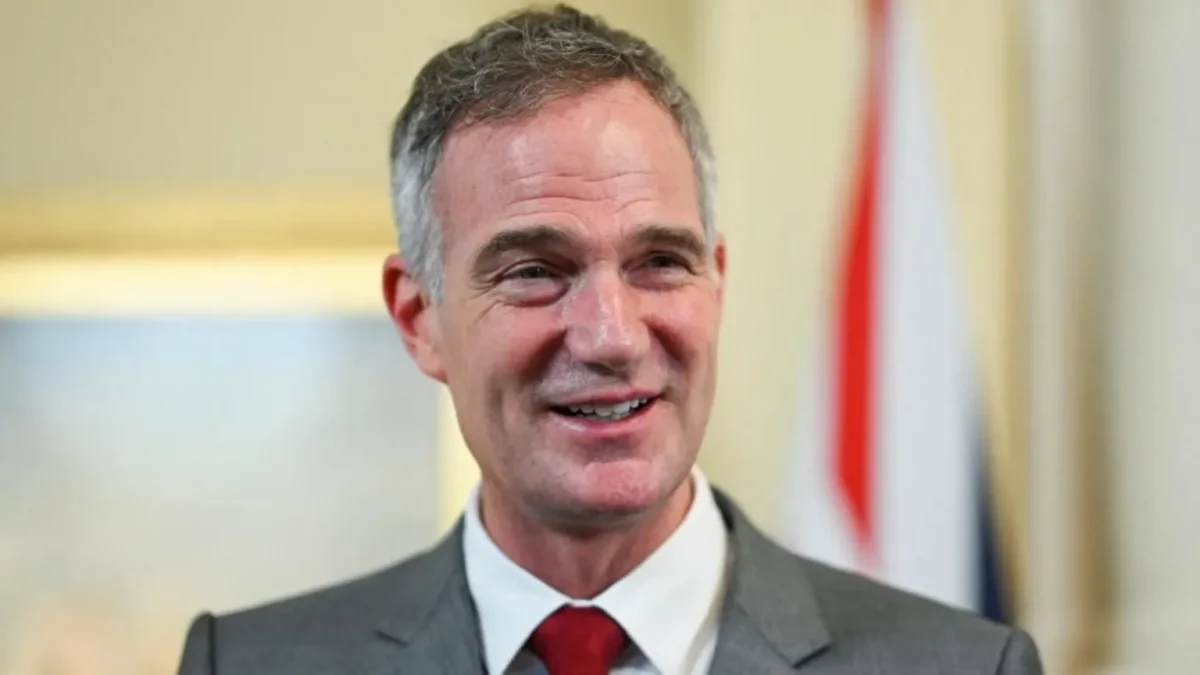
The Business Secretary, Peter Kyle, told the BBC that he would have intervened to block a foreign sale of ARM Holdings had he been in government when the deal occurred. ARM, once considered the crown jewel of UK technology, was bought by Japanese conglomerate SoftBank in 2016 for £24 billion ($32 billion) and later listed in New York in 2023. Kyle noted that if ARM had remained in the UK, it could have been the biggest company on the London Stock Exchange and “would be 40% of the way there to the trillion-dollar company I think our country needs.”
Kyle’s remarks come amid a broader government push to back British tech firms as US giants SpaceX, Anthropic and OpenAI prepare for large share offerings in New York. He argued that the government should create the right conditions to prevent UK tech from leaving the country, rather than relying on interventions only after a sale is completed.
Speaking during London Tech Week, Kyle outlined plans to increase public investment in promising British companies and to establish a cross-government concierge service to help firms access skills, finance, and support. He said he had “upped the risk threshold,” acknowledging two risks: over-caution that could suppress innovation and the risk of shaping the tech sector in ways that go wrong. He chose the latter, suggesting a preference for proactive engagement over retreat.
The government has signaled its readiness to back UK tech with significant public money, highlighting recent investments in energy software company Kraken, self-driving firm Wayve, and a UK-focused investment fund, Playground Global. Despite the boost for tech, Kyle conceded that other sectors face pressures, particularly hospitality, which has faced higher costs from the national living wage and employer’s national insurance contributions. He cited the government’s plan to phase in business rate rises for pubs more gradually than previously planned.
Former Health Secretary Alan Milburn warned of a “lost generation” of young workers as the number of people not in employment, education or training (NEETs) topped one million for the first time since the financial crisis. Kyle said he was working closely with Milburn on potential actions to tackle the issue. He stressed that the aim was to create conditions that encourage companies to stay and invest in the UK rather than exit.
SpaceX’s stock market activity and Musk’s risk appetite were touched upon as part of the broader theme of tech and investment strategy, with Kyle noting that SpaceX’s move could reflect the scale of ambition in the sector.


