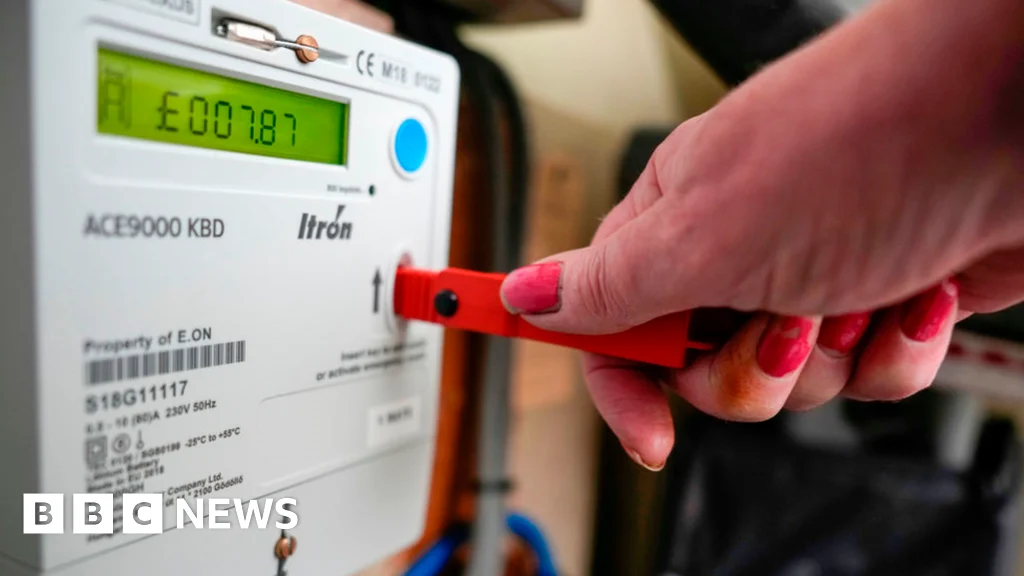
British Gas has reached an agreement with the energy regulator Ofgem to pay £20 million into a redress fund and provide compensation to customers affected by the improper force-fitting of prepayment meters. This settlement resolves a significant investigation by Ofgem into the practices of the energy giant.
The scandal came to light three years ago when it was revealed that debt agents acting on behalf of British Gas had gained unauthorized entry into the homes of vulnerable customers to install prepayment energy meters. Ofgem, the industry regulator, confirmed that British Gas has apologized for the misconduct. In addition to the £20 million redress fund, the company will also write off up to £70 million in energy debt owed by vulnerable customers, a portion of which may be allocated as compensation.
Following the revelations, Ofgem launched an investigation and subsequently imposed a ban on the practice of fitting prepayment meters in high-risk households without the explicit permission of the customer. The severity of the issue was underscored in 2023 when The Times newspaper reported on how agents from Arvato Financial Solutions, working for British Gas, had forcibly entered the home of a single father with three children to install a prepayment meter. An undercover reporter observed the agents collaborating with a locksmith to gain access to the property, which had been confirmed as unoccupied, to carry out the meter installation.
This issue was not isolated to British Gas; it was identified as an industry-wide problem. Between 2022 and 2023, an estimated 40,000 customers across the sector had prepayment meters installed without their consent. Other major energy suppliers, including EDF, E.On, and Scottish Power, have already committed to paying compensation to affected customers.
Ofgem's investigation revealed that British Gas had been alerted to the problem as early as 2018 through an external review. The issue was flagged again in an internal audit in 2021, yet the company did not suspend the practice until 2023. Tim Jarvis, the head of Ofgem, stated that the company had "fell short in its treatment of an unacceptable number of vulnerable customers who had a PPM [prepayment meter] installed without consent." He emphasized that the installation of prepayment meters under warrant should be a measure of last resort, requiring stringent checks to ensure debt recovery is conducted lawfully, proportionately, and safely.
Ofgem has assured customers who are eligible for compensation that they will be contacted directly and do not need to take any proactive steps. Chris O'Shea, the chief executive of Centrica, the parent company of British Gas, issued an apology to all affected customers, acknowledging that "What happened should never have happened." He stated that upon learning of the problems, the company immediately halted the practice and implemented swift measures to enhance its processes and improve customer engagement, particularly for those in debt and in vulnerable situations. O'Shea further commented that over the past three years, the company has treated the matter with the utmost seriousness, making significant changes to its practices and establishing safeguards to meet the expected standards for its customers.
Simon Francis, coordinator of the End Fuel Poverty Coalition, described the findings of the Ofgem investigation as "truly shocking." He called for the upcoming Energy Independence Bill to include provisions that would end the forced installation of prepayment meters and fundamentally reform the warrant process, ensuring such a scandal cannot be repeated. Prepayment meters require customers to pay for their energy in advance, either by managing an account or by adding credit to a card at locations like convenience stores or Post Offices. Strict regulations are in place to prevent energy suppliers from transferring at-risk customers onto prepayment meters if they are experiencing difficulties with payments. Many rental properties are equipped with prepayment meters, and issues can arise when residents exhaust their credit, leaving them without the means to power essential appliances like heating and cooking.


