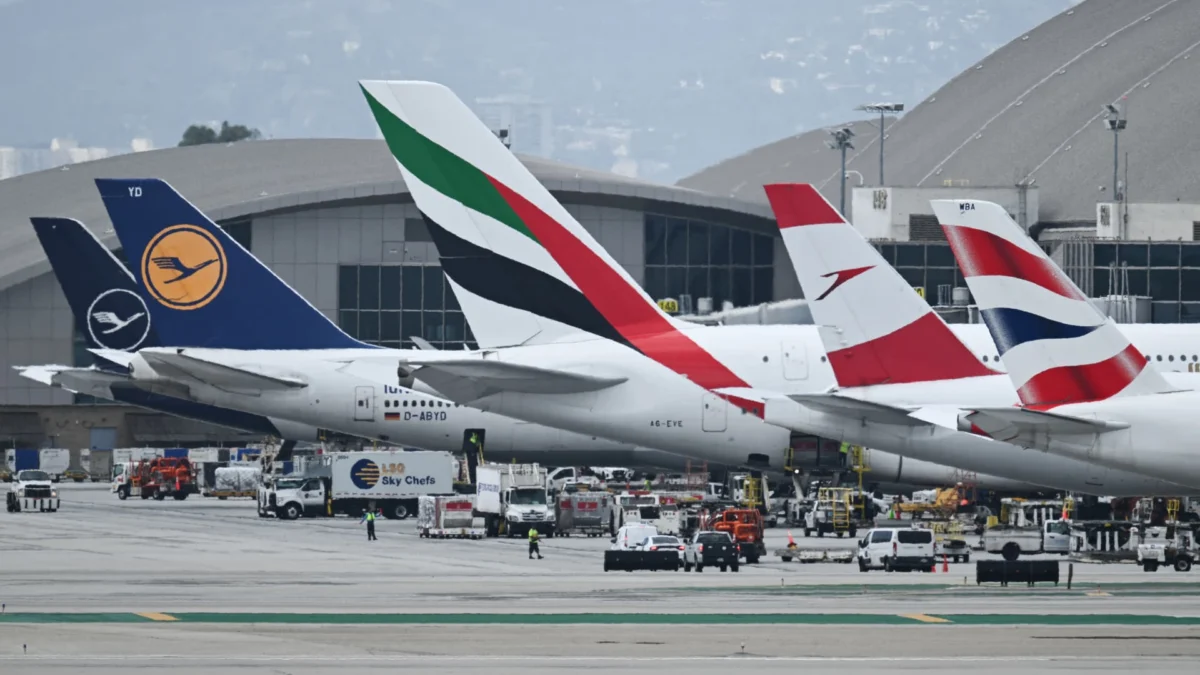
RIO DE JANEIRO — Airline executives gathered in Brazil for the International Air Transport Association’s (IATA) annual assembly warned that surging fuel costs are eroding profits even as demand holds up, with summer bookings staying resilient and fleets expanding despite the cost headwinds. IATA’s outgoing director general warned that the industry faces a pivotal question: how long travelers and shippers can endure higher costs before demand softens. In Rio, leaders noted fuel outlays have risen sharply since the start of the Iran-related conflict period, and the Strait of Hormuz closures have tightened supply routes in places. IATA estimates airlines globally are absorbing about a $100 billion increase in fuel costs this year, a figure that, combined with airspace restrictions tied to regional tensions, could halve annual profits.
Willie Walsh, then IATA’s outgoing director general, said net profits could fall from $45 billion in 2025 to about $23 billion in 2026, with net margins sliding from 4.2% last year to around 2% this year. Even as fares rise, carriers have not fully offset the fuel bill, pressuring margins across the sector.
Travel demand remains surprisingly resilient, according to industry executives, who reported that customers continue to book. Etihad Airways chief Antonoaldo Neves said ticket volumes are roughly at pre-conflict levels when seasonally adjusted, while United Airlines CEO Scott Kirby noted that bookings persist despite fare increases of roughly 20% and warned costs could rise further if fuel prices stay elevated. In their assessment, the U.S. market appears more insulated from oil shocks given domestic production.
Summer demand is robust, and airlines are getting better at matching capacity to high fuel costs by pruning less profitable routes and reducing frequencies. The lingering question, however, is what happens after the peak travel season. Walsh framed the near-term trend positively, saying the current run could portend a strong northern summer peak, but cautioned that higher connectivity costs could curb consumer affordability long term.
Industry executives also noted continued jet orders despite the high fuel environment. Airbus and Boeing report ongoing demand for popular models into the next decade, and Etihad’s Neves signaled plans to add jets to the current orderbook, describing it as “more than 10.” Embraer cautioned that customers could delay exercising some options, though no widespread pullbacks were observed at the time. Boeing is poised to publish May orders and deliveries as part of its routine reporting.
Beyond fuel, the sector remains frustrated with engine manufacturers over reliability and maintenance cycles that offset promised fuel savings from newer engines. WestJet chief Alexis von Hoensbroech commented that while new-generation engines could cut fuel use by around 15% or more, reliability has lagged and maintenance needs have increased. Engine makers GE Aerospace and Rolls-Royce have benefited from increased demand and are expanding overhaul capacity to cope with the higher maintenance load.
As the industry navigates these pressures, executives stressed the need to balance profitability with capacity discipline and continued investment in fleets to meet demand, all while managing the volatility of fuel markets and geopolitical risk that can reshape travel patterns.


