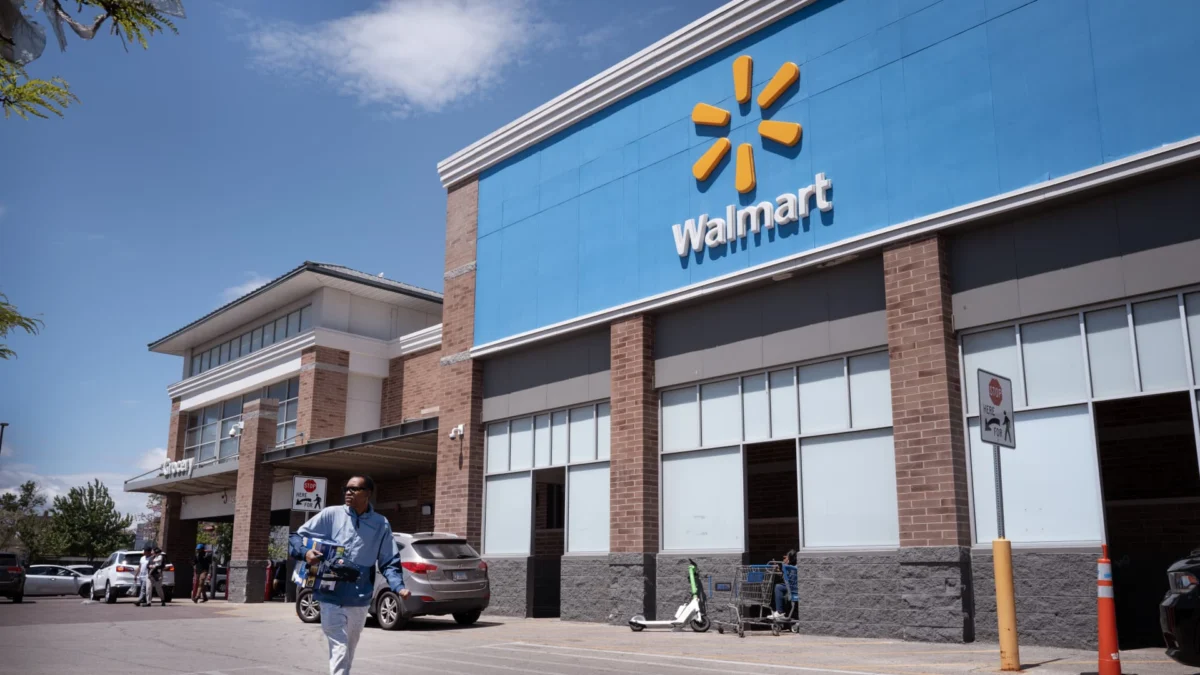
Walmart is poised to announce its fiscal first-quarter earnings before the market opens on Thursday, with investors keenly awaiting insights into the health of the U.S. consumer. Analysts, according to consensus estimates from LSEG, are projecting earnings per share of 66 cents on revenue of $175 billion. The retail giant is scheduled to host its post-earnings conference call with analysts at 8 a.m. ET.
This earnings report comes at a critical juncture, as Walmart's performance and commentary could provide Wall Street with crucial indicators regarding consumer spending patterns. The company is expected to post another period of sales and profit growth. However, its forward-looking statements on consumer behavior, including any signs of pressure and the specific areas affected, will be closely scrutinized for a clearer picture of the broader U.S. economic landscape.
In the three months since Walmart last reported, the economic environment has seen significant shifts, including a new conflict in the Middle East and a surge in gas prices, which have contributed to a notable decline in consumer sentiment. These developments add to a backdrop of persistent inflation, elevated interest rates, and ongoing global trade tensions that have collectively driven prices higher.
Walmart, historically a resilient player in various economic conditions, is uniquely positioned to offer insights due to its broad customer base, spanning various income levels. The retailer has successfully attracted a growing segment of higher-income consumers in recent years, supplementing its traditional appeal to lower-income shoppers. This diversification has bolstered its growth and provided a buffer against economic downturns that disproportionately affect lower earners.
Investors will be particularly focused on whether this resilience among higher-income shoppers continues, or if rising gas prices are beginning to exert pressure. The company's ability to manage potential shifts in consumer behavior, such as a move towards lower-margin groceries over higher-margin discretionary items, will be a key area of interest. Walmart's advertising and marketplace divisions, which are high-margin revenue streams, are expected to help mitigate such pressures and maintain profitability.
Thus far in the earnings season, many major corporations have reported that consumer spending has remained robust despite higher gas prices. However, this resilience has also coincided with increased tax refunds, a factor that Target noted contributed to its first-quarter growth. Target's finance chief, Jim Lee, indicated that the benefit from higher tax refunds this year is expected to diminish over the remainder of the year, suggesting a potential moderation in consumer spending ahead.
Investors will be looking to Walmart for confirmation of any emerging trends in consumer spending behavior and to gauge the potential implications for the remainder of the fiscal year and the overall economy. The company's commentary will be vital in understanding the duration and depth of any economic headwinds consumers may be facing.


