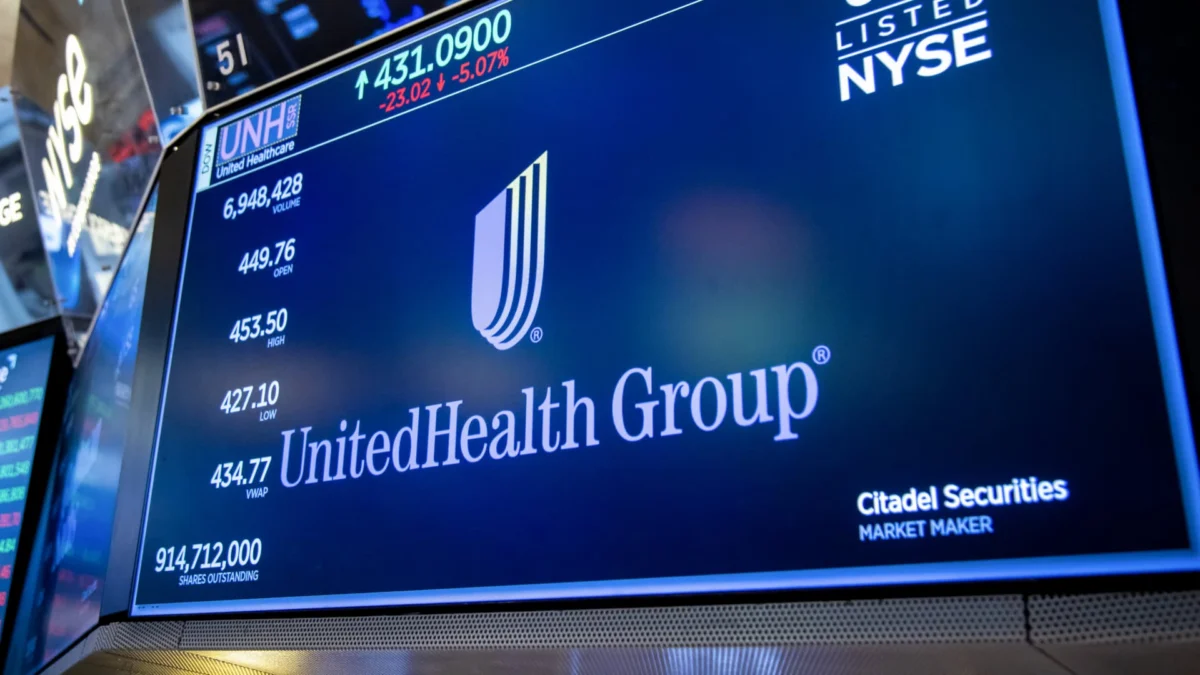
UnitedHealth Group posted a strong second quarter that beat Wall Street expectations and prompted an upgrade to its 2026 profit outlook, as the nation’s largest private insurer makes progress in trimming high medical costs and leans on AI to streamline operations. The company now sees 2026 adjusted earnings per share in a range of $19.50 to $20, up from a prior view above $18.25. Management stressed that while earnings will improve, the improvement reflects ongoing work to stabilize margins rather than a one-off gain.
UnitedHealth reaffirmed a revenue target above $439 billion for 2026 as it pursues a multifaceted margin strategy: reducing membership by exiting less profitable contracts and channeling financial and technological resources into AI. The plan includes a $1.5 billion investment in artificial intelligence to speed processes, improve payment accuracy, and root out fraud, waste and abuse. CFO Wayne DeVeydt characterized the AI program as a driver of efficiency and patient care rather than a determinant of care decisions.
In the second quarter, UnitedHealth reported adjusted earnings per share of $6.38, topping the $4.90 consensus from analysts surveyed by LSEG. Revenue totaled $112.03 billion, above the $110.85 billion expected. GAAP figures showed net income of $5.48 billion, or $6.04 per share, versus $3.41 billion, or $3.74 per share, a year earlier. The results follow a broader push to manage costs in an insurer landscape that has featured elevated medical costs and membership churn.
The company noted that the rate of medical expense, as measured by its medical benefit ratio, improved to 86.7% in the quarter from 89.4% a year ago, signaling that premiums are covering more of the higher costs. Still, management cautioned that the higher-care environment remains a challenge and that the system benefits from the ongoing efficiency drive rather than a trend reversal.
UnitedHealth said it is seeing enrollment declines in both ACA exchange plans and privately run Medicare Advantage plans as affordability pressures weigh on membership. UnitedHealthcare served 48.5 million people in the quarter, down 525,000 from the prior quarter, and management said the membership headwinds include anticipated losses across the ACA exchange and Medicare Advantage in 2026. The firm also noted it is maintaining its stance on regulatory matters and emphasized ongoing cooperation with related investigations.
CEO remarks underscored a multi-year journey toward a more efficient, profitable operation. DeVeydt pointed to the cultural shift and the ongoing execution of the turnaround as a source of the strength in earnings, while reiterating that AI is a tool to support processes rather than a proxy for clinical decisions. Overall, UnitedHealth paints a picture of steadier profits under a plan that blends pricing discipline, selective membership changes, and technology investments to bolster margins.
Market reaction was swift, with the stock rising more than 7% in early trading as investors absorbed the stronger earnings beat and the higher earnings outlook.


