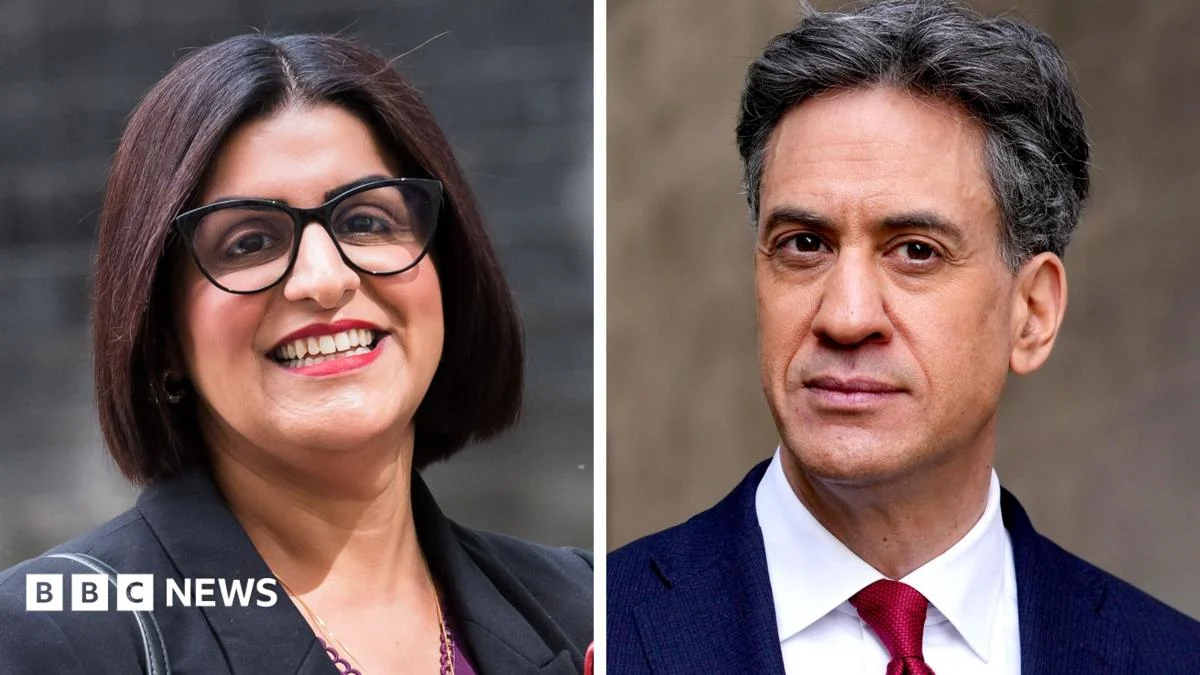
The BBC’s Friday briefing on the race to be Britain’s next chancellor lays out a slate of contenders as Downing Street prepares for a Burnham-led government. Officially, Andy Burnham’s team says no cabinet decision has been made, and announcements will come on Monday, but market chatter has already shifted as investors weigh how a new Treasury might steer the economy.
At the top of the list is Shabana Mahmood, the home secretary, with reports of live discussions about slotting her in Number 11. The Financial Times and others cite three sources close to Burnham, though Mahmood’s aides say no appointment decisions have been finalised. Mahmood’s lack of economics training is noted, but she is viewed as a politically adept figure on Labour’s right who could provide market reassurance during the transition. The reaction in currency markets has already appeared: the pound rose about 1% against the dollar in the week following the whispers.
Analysts cautioned that market moves depend on the actual personnel who take the helm. Kathleen Brooks of XTB said the mood swing reflected investor hopes that Burnham would appoint a Treasury team that could manage welfare spending and other fiscal pressures. She framed the move as a signal that the new government might place trusted, market-aware figures in senior roles, even if not all economic portfolios are filled yet.
Other names in circulation include Ed Miliband, who was long regarded as a frontrunner for the chancellor post and is viewed by some as a growth-oriented option due to his background and prior policy stances. Some market observers worry that Miliband’s approach to energy policy, including his net-zero agenda, could influence energy prices, though opinions vary on his potential impact on gilt markets. In recent days, several Burnham circles have suggested Miliband’s chances could be fading, while others believe a reconciliation with markets might still be possible should he secure a post and align with Burnham’s broader priorities.
Yvette Cooper is described as a potential compromise candidate with substantial government experience, including time as chief secretary to the Treasury under Gordon Brown. Financial analysts describe her as a middle-ground option, with some uncertainty about how markets would price her appointment until she demonstrates a clear plan.
Wes Streeting, a former Labour leadership contender, was among the early favourites due to his pro-growth rhetoric. But the political risk for markets is linked to whether he might someday seek higher office, a factor that complicates the calculus for investors assessing long-run fiscal stewardship.
Pat McFadden, currently work and pensions secretary, is viewed by some as the most technically qualified among the contenders, given his Treasury- and welfare-focused background. Market observers say he could bring steadier management to welfare reform, which is anticipated to be a major economic task for any future chancellor. Panmure Liberum’s Simon French called McFadden potentially “the safest pair of hands” among the plausible picks, a description that would soothe markets if confirmed.
Rachel Reeves, the current chancellor, appears less likely to retain the job as the Burnham team signals a broader reshuffle. Reeves has defended the approach she has taken and cited early signs of progress in the economy, but sources indicate she may move to a junior or mid-level cabinet role in a Burnham administration.
Beyond named candidates, the chatter also mentions a broader field of figures, including former defence secretary John Healey and others linked to Burnham’s circle. Analysts caution that while bookmakers’ bets fuel discussion, the actual competence and policy direction of any candidate will determine bond yields, gilts and currency responses once an appointment is public.
The BBC notes that the in-tray for any chancellor will be formidable: tackling high debt, growth challenges, welfare reform, defense spending, and the international implications of conflicts abroad. While markets are sensitive to who sits in Number 11, observers emphasize that the exact fiscal rules, tax policy, and spending plans that Burnham would pursue remain under wraps until the formal appointments are announced.
As the deadline approaches, market watchers say the most important factor will be the chancellor’s ability to articulate a credible path to fiscal sustainability while supporting growth in a difficult global environment. The conversations among senior Labour figures suggest a cautious approach to balancing electoral mandates with the needs of financial markets, and the emphasis will likely be on a credible plan to manage debt and welfare commitments while sustaining investment in energy, infrastructure and resilience.
In summary, while several plausible candidates are in talks, the ultimate choice will hinge on a combination of policy clarity, market confidence, and Burnham’s willingness to assemble a Treasury leadership that can navigate a challenging inflation and debt landscape while delivering his government’s priorities.


