A growing number of individuals in the UK, particularly those over the age of 70, are choosing to remain in the workforce beyond traditional retirement age. This trend is driven by a combination of financial necessity and a desire for mental stimulation and social connection. Many report that their state pensions alone are insufficient to cover living costs, forcing them to continue working to maintain their lifestyles and support dependents.
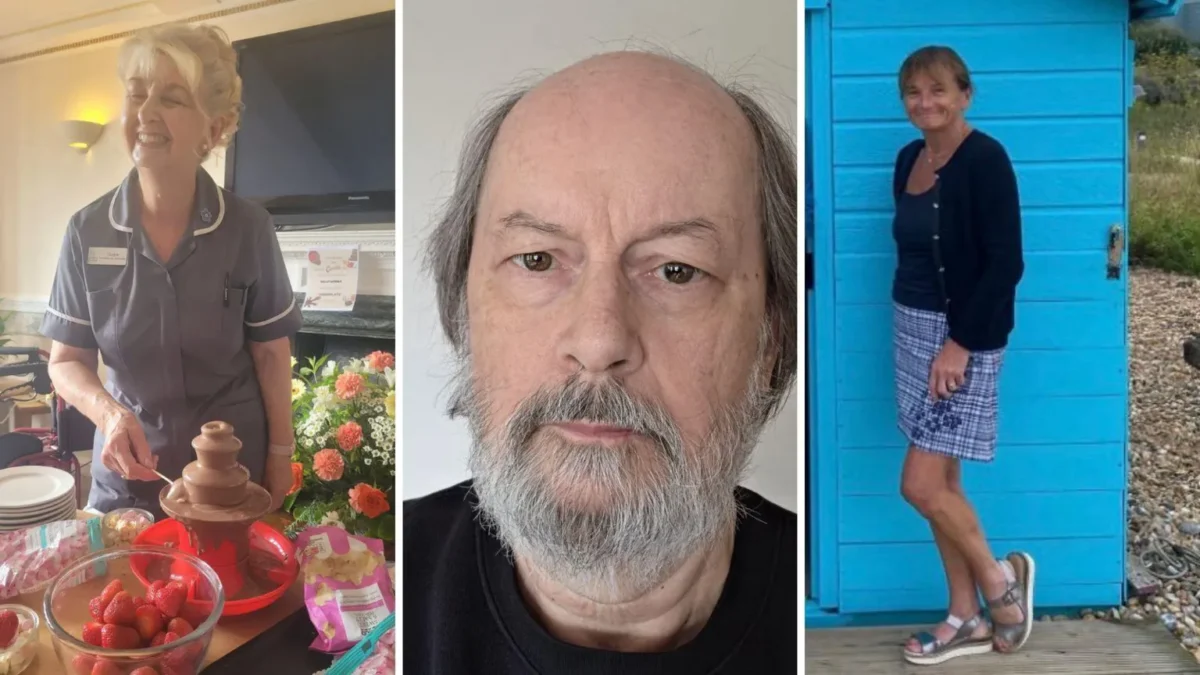
Mandy Kemp, a 70-year-old practice manager for a financial adviser, exemplifies this trend. Having recently transitioned from full-time to a three-day work week, Kemp stated, "I only have a state pension, and it wouldn't pay the rent and my living costs." She emphasized that affordability is the primary concern, expressing a preference for self-sufficiency over relying on benefits. Kemp, from Dover in Kent, told the BBC that she must support her son and husband, who cannot work due to health reasons. While she enjoys her job and keeping busy, the mother of two said that the future felt "very uncertain". "Unless I got redundancy, I don't see how I'd survive for that long," she said. "Unless I had a lottery win."
Dr. Andrea Barry, from the not-for-profit group Centre for Ageing Better, said that "more and more" people were working longer over the last two decades. According to Barry, part of this growing trend is that people are living longer and the state pension age has risen. She noted that "overall" many people want to work past the retirement age, which she called no longer a "cut off". However, Barry added that some have "no choice" but to work due to the escalating cost of living, a lack of savings, and the rise in renting. Barry also pointed out that older workers contribute economically to society, especially if they possess specialized skills that employers find difficult to source. Furthermore, she suggested that employment can positively impact the health and well-being of older individuals by keeping them physically active and combating loneliness, but admitted that it could be harmful for others. "There are a lot of very precarious and vulnerable people in their 60s and 70s," Barry cautioned.
Jackie Haynes, who will be 80 this year, told the BBC that she loved her part-time job as an activity coordinator at the Sussex Grange care home. "Quite a few of the residents are even a bit younger [than me]," she said. Haynes added that working not only gave her purpose but also helped her feel socially connected. "I love being with the residents as we can talk about the old days," she said. "More important for me is the friendship. It keeps me young." Haynes said that she did not need to work financially as she has a couple of private pensions and owned her own home. "The money is very, very nice. I can do extra things that I wouldn't normally do. I don't have to worry," she said.
Mike Sandford, a 78-year-old mechanical design engineer from Redhill, Surrey, said that he was "extremely worried" about the possible mental impact if he retired from his full-time role. "I need something to stimulate the mind," he told the BBC. "I've got to be creative." Sandford said that his hobbies of wildlife photography and guitar could only fill up so many hours in the day. "I'd be climbing up the walls," he said. He observed that some retirees become inactive, spending their days passively, a fate he is determined to avoid. "I want to be active as long as I can be," he asserted.
The experiences of Kemp, Haynes, and Sandford illustrate the multifaceted reasons why individuals are extending their working lives. For some, it is a stark financial imperative, while for others, it is a conscious choice to maintain mental acuity, social engagement, and a sense of purpose in their later years. The trend suggests a re-evaluation of traditional retirement norms, with a growing recognition of the diverse needs and contributions of older workers in contemporary society.


