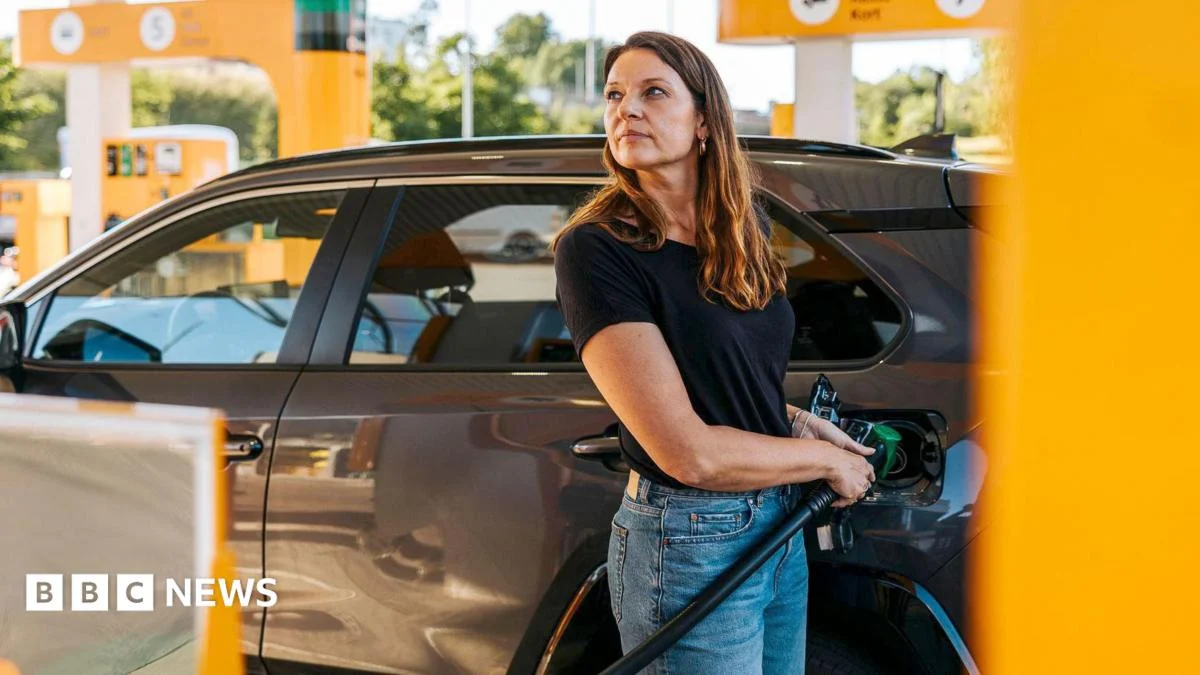
UK fuel prices are edging higher again as tensions in the Middle East persist, following the collapse of peace talks aimed at ending the US-Israel war with Iran. The pattern, seen since the February 28 start of the conflict, has been a surge in wholesale oil costs and volatility in Brent crude, with pump prices moving in step as traders react to developments abroad.
Analysts note that wholesale movements in crude oil and the Brent benchmark have a direct, lagged effect on what drivers pay at the pumps. Each roughly $10 rise in the oil price has historically translated into about 7p a litre more at the forecourt, according to market observers. Brent's price trajectory has swung from around $70 a barrel before the conflict to a peak above $120, then retreating toward the $70s after a framework deal was announced in June. Since then, crude has climbed again toward the high $80s a barrel, supporting renewed upward pressure on pump prices.
The RAC, which tracks weekly pump prices, says petrol reached an Iran war peak of 159.53p per litre on 28 May, while diesel peaked at 191.54p per litre on 15 April. In early July, the RAC reported diesel dropping to a low of 150.50p per litre, with petrol at 164.52p per litre. Latest RAC data show petrol around 152.54p per litre and diesel near 167p per litre, underscoring a renewed rise after the mid-year dip.
Even with today’s uptick, prices remain below the peaks seen in the summer of 2022, when the Russia-Ukraine conflict sent petrol to about 191.5p per litre and diesel to about 199p. Market watchers say the oil-price backdrop, shaped by supply disruptions and geopolitical risk, continues to drive UK prices higher in the near term. Because oil transport is a slow-moving process, wholesale shifts often take about a fortnight to filter through to forecourts.
Fuel retailers have rejected accusations of price gouging amid the crisis, and the official market regulator says there is no evidence of retailers systematically exploiting the situation. The government’s Fuel Finder scheme, which lets drivers compare prices at different stations, remains available as consumers seek cheaper options.
In political developments related to the cost of living, Prime Minister Sir Keir Starmer announced that a planned 5p increase in fuel duty due in September would be postponed to December 31 due to the conflict’s disruption to markets.
The Middle East conflict has disrupted energy production and transport across the region, with the Strait of Hormuz, a critical chokepoint for global oil and gas shipments, continuing to influence sentiment in global markets. While a framework deal was reached earlier in the year, experts warn that normal shipping through Hormuz will take time to resume, and oil-market effects could persist for months.
Reporting by BBC News staff; data and quotes provided by RAC analysts and market observers indicate that price movements in wholesale markets tend to forecast consumer prices with a lag, and that the broader energy market remains sensitive to political developments in the region.


