Typical annual energy bills in the United Kingdom are slated to rise by £221, reaching £1,862 from July 1st, according to an announcement by the energy regulator Ofgem. This 13% increase in the energy price cap is attributed to soaring wholesale oil and gas costs, exacerbated by the ongoing conflict between the US and Iran.
Understanding the Energy Price Cap Mechanism
The energy price cap, regulated by Ofgem for England, Scotland, and Wales, sets a limit on the maximum amount customers on standard variable tariffs can be charged per unit of gas and electricity. This cap affects approximately 33 million households across these regions. Of these households, around 19 million pay by direct debit, approximately 7 million pay by standard credit (receiving a bill after usage), and about 6 million utilize prepayment meters. The figure for a typical annual bill primarily applies to dual-fuel households that pay by direct debit.
From July 1st to September 30th, the price cap for gas will be set at 7.33 pence per kilowatt hour (kWh), an increase from the previous 5.74 pence per kWh. Electricity prices will rise to 26.11 pence per kWh, up from 24.67 pence per kWh. Consequently, a typical household's annual bill is projected to climb to £1,862 from £1,641. However, actual bills will vary based on individual energy consumption patterns and chosen payment methods.
For customers paying by standard credit, the typical annual bill is expected to be £2,005 from July 1st, marking a 13% increase from £1,772. Prepayment meter customers will see their typical annual bill rise to £1,812, also an increase of 13% from £1,597.
Ofgem has updated its calculations for a "typical" household's energy consumption. Previously assuming an annual usage of 11,500 kWh of gas and 2,700 kWh of electricity, the regulator has revised these figures downward to 9,500 kWh of gas and 2,500 kWh of electricity. This adjustment reflects reduced household consumption observed in recent years due to high prices and the benefits derived from improvements in energy efficiency. Under these new assumptions, the average bill from July 1st would be £1,663, representing a 12% increase compared to the previous £1,490 calculated under the old assumptions. Ofgem has previously adjusted its consumption estimates in 2019 and 2023.
Standing Charges and Future Price Outlook
Standing charges, which represent a fixed daily fee to cover the costs of connecting households to energy supplies, will see minimal change. For direct debit customers between July 1st and September 30th, average standing charges will be 57.19 pence per day for electricity and 29.04 pence per day for gas. These rates are largely consistent with those charged in the preceding three-month period.
Campaigners have consistently argued that standing charges are unfair, as they constitute a larger proportion of the bill for households that consume less energy. In response to these concerns, Ofgem has stated its intention for all energy firms to offer at least one tariff that features a low standing charge but a higher cost per unit of energy. The regulator has indicated that this approach would provide some customers with greater choice and control, while acknowledging that it may not be suitable for all consumers. However, charities, campaigners, and the energy suppliers' trade body have criticized this proposal, suggesting it merely shifts costs from one part of the bill to another rather than reducing overall energy expenses.
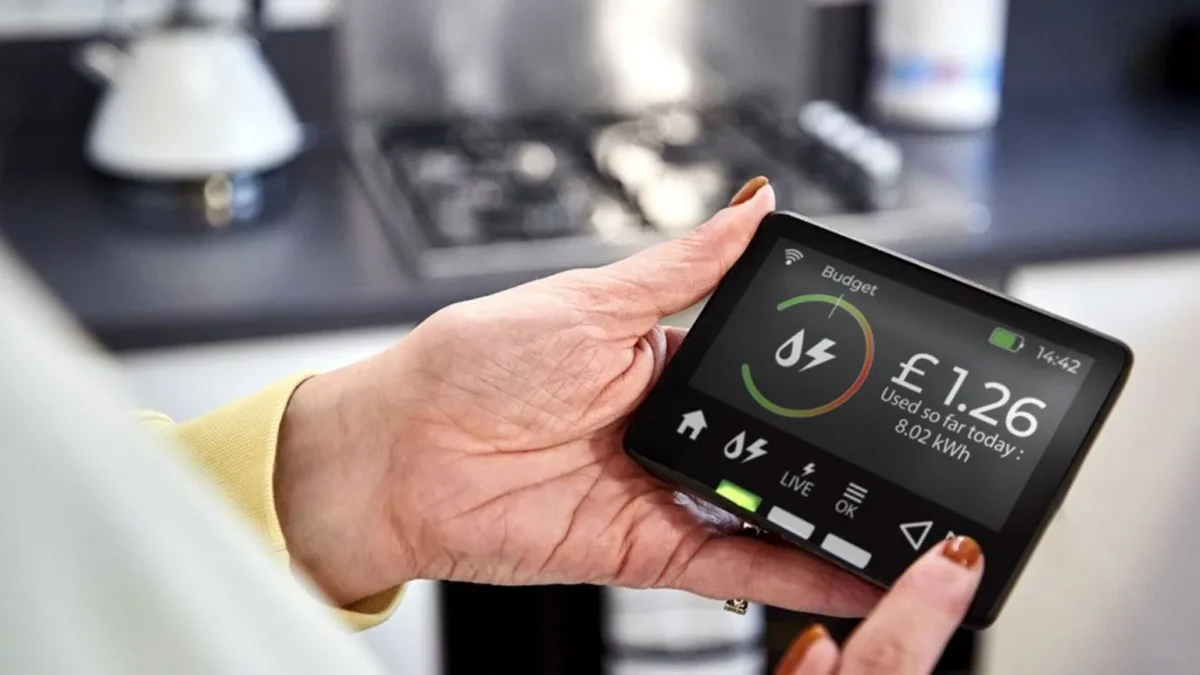
Customers are strongly advised to take meter readings when the energy cap changes, particularly when prices are set to increase, to ensure accurate billing and avoid being charged for estimated usage at the wrong rate. Customers equipped with working smart meters do not need to submit readings manually, as their bills are calculated automatically.
Ofgem's interim chief executive, Tim Jarvis, informed the BBC that the energy price disruption stemming from the ongoing Iran conflict could persist longer than initially anticipated. Jarvis explained that the level of the next price cap, which will take effect on October 1st, will largely depend on the potential for a peace deal to be agreed upon and the speed at which the Strait of Hormuz can reopen. The Strait of Hormuz is a critical shipping route for oil and gas, normally carrying a fifth of the world's supply. Given that most households consume more energy during the winter months, any increase in the cap during this period could have a substantial impact on household budgets. Ofgem is scheduled to announce details of the next cap by August 26th.
Approximately 40% of UK households, equating to about 21 million people, are currently on fixed-term energy deals. These customers are insulated from immediate changes to the energy cap, as their prices will not change until their current contracts expire. While fixed deals offer price certainty for a set period, they may result in customers paying more if wholesale prices subsequently fall. Furthermore, exiting a fixed deal early often incurs penalties.
Recent changes to energy bill calculations include the scrapping of charges related to the Energy Company Obligation (ECO) scheme since April 1st. For three years, renewable energy projects will be funded primarily through general taxation rather than levies on energy bills. Previously, these levies helped fund insulation for low-income households and supported green energy initiatives such as wind farms and solar panels. Nearly all households in England, Wales, and Scotland are expected to benefit from this reduction in levies, though the exact amounts will vary.
However, the cost associated with maintaining and upgrading energy network infrastructure, including power lines, cables, and gas pipes, is increasing. In December 2025, Ofgem announced its approval of a £28 billion investment aimed at improving Great Britain's electricity and gas grids. Ofgem stated that this investment is intended to strengthen the energy supply, better shield customers from volatile energy prices, and reduce Britain's dependence on gas. A portion of this cost, approximately £108 per household by 2031, will be added to energy bills starting in April 2026, amounting to about £6 per month for a typical household covered by the energy cap.
Additionally, the government is planning a significant shake-up of electricity pricing by spring 2027. The objective is to make household bills less susceptible to spikes in gas prices and to ensure consumers benefit more from the lower running costs of renewable energy sources like wind and solar power. While the government has not yet quantified the potential savings for consumers, it anticipates they could be substantial.
Heating oil prices, which are not subject to the Ofgem cap, have also seen substantial increases, particularly affecting the estimated 1.5 million UK households that use it for heating. Some users have experienced a doubling of their costs. This issue is especially pronounced in Northern Ireland, where approximately 500,000 homes, nearly two-thirds of all households, rely on heating oil. The government has introduced a £53 million support package for vulnerable households using heating oil, with a focus on low-income rural communities.
Energy suppliers are obligated to offer customers struggling with payments affordable payment plans or repayment holidays. Despite these measures, energy debt and arrears in England, Wales, and Scotland reached £4.4 billion between April and June 2025, an increase of £750 million compared to the same period in 2024. The data also revealed that a record high of over one million households had no arrangement to repay their debt.
Ofgem is considering plans for 2026 that could allow nearly 200,000 people on benefits to have their energy debts cancelled, provided they have made efforts to pay what is owed. This scheme could write off up to £500 million from the total debt owed to suppliers. However, covering the cost of this debt cancellation would require an additional £5 charge on everyone's gas and electricity bill. Various government schemes, including the Household Support Fund and the Warm Home Discount, also assist low-income households with energy costs. The Fuel Direct Scheme allows benefit recipients to repay energy debts directly from their benefit payments. Furthermore, approximately nine million pensioners received the Winter Fuel Payment in 2025/2026, ranging from £200 to £300, following a government reversal on eligibility criteria.


