Dairy Farmers Warn of Industry Collapse Amid Unprofitable Milk Prices
Dairy farmers across the UK are sounding the alarm over the dire economic conditions facing their industry, with current milk prices falling significantly below the cost of production. This stark reality is raising profound fears for the future, particularly for the next generation aspiring to continue the family farming legacy. Farmers are reporting being paid between 32p and 35p per litre for their milk, while the expenses associated with producing that same litre can soar to between 42p and 49p. This substantial deficit means that the average UK dairy farm is currently losing approximately 10p on every litre of milk sold, a situation described as “terrifying” by those on the front lines of the industry.
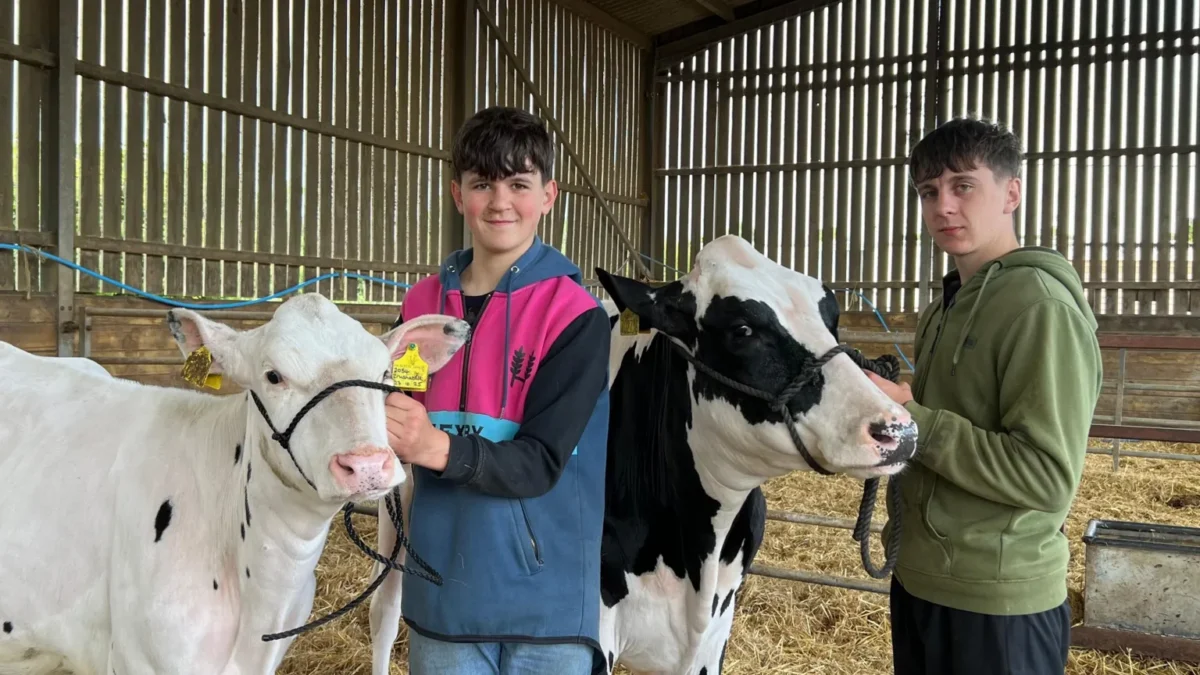
Ben Yates, a farmer from Frome, Somerset, articulated the severity of the crisis, stating, “If we don’t sort out the milk price pretty quickly, there’ll be no industry left.” He highlighted the dilemma faced by his two sons, who wish to follow him into farming. However, without a significant reduction in the gap between production costs and the price received for milk, Yates warns that “there will be no future in this industry.” This sentiment is echoed by Tom Kimber, a 10th-generation dairy farmer, who expressed the immense pressure and uncertainty gripping the sector. The current economic model is unsustainable, with farmers unable to continue operating under such conditions for much longer.
Fluctuating Global Events Impact UK Milk Prices
The volatility in milk prices is not a new phenomenon, but recent years have seen dramatic swings directly influenced by global geopolitical and economic events. A significant turning point occurred in 2022 when Russia’s invasion of Ukraine disrupted global supply chains. This led to a temporary surge in prices, with British farmers receiving up to 55p per litre, a notable 10p above their production costs. This period of profitability, however, proved short-lived.
By 2023, global dairy production had rebounded, causing prices to fall back to approximately 45p per litre, which represented the break-even point for most farmers. The situation worsened significantly in late 2025, when a worldwide surplus of milk led to a substantial price collapse. Since October of that year, farmers have been receiving between 32p and 35p per litre, a price point that fails to cover their escalating operational expenses. This downward trend in milk prices has coincided with a steady increase in production costs.
Farmers are particularly concerned about the rising cost of essential inputs. Fertiliser prices, for instance, saw a 50% increase following the Ukraine war and have experienced another 50% rise more recently. The cost of ‘red’ diesel, a fuel exclusively used by farmers, also doubled after international interventions in the Middle East. Ben Yates pointed out the critical issue: “We’ve had these big jumps. It was 50% increase in fertiliser on the Ukraine war, 50% again now, but the milk price isn’t moving and it’s got to.” This disconnect between soaring costs and stagnant milk prices is pushing many farms to the brink.
The nature of dairy farming inherently limits farmers’ ability to adapt to market fluctuations. Unlike other businesses, dairy farmers are price-takers, with their prices dictated monthly by processors. They must milk their cows daily, regardless of profitability, and cannot store their product to wait for better prices. This lack of control over pricing, coupled with the fixed daily costs of maintaining a herd, creates a precarious financial environment. Tom Kimber, whose family has farmed in Somerset for 350 years, described the situation as “terrifying,” especially as winter approaches, bringing increased costs for feed and additional labour.
The economic pressure is leading to a contraction in the industry. Industry figures from the Agriculture and Horticulture Development Board (AHDB) indicate a significant decline in the number of dairy farms, which fell to a record low of 7,010 in 2020, down from 8,310. While fewer, larger farms are now producing slightly more milk overall—an increase of 4% in total production according to AHDB—the viability of small, family-run operations is increasingly in question. Farmers are observing empty dairy farms in their local areas, a trend that is concerning as once a farm ceases dairy production, re-establishing it is extremely difficult.
To mitigate the impact of milk price volatility, some farmers, like Ben Yates, have diversified their operations. His family runs a successful farm shop selling their own beef and pork, Somerset cheddar cheese, and even raw milk. This diversification provides a crucial supplementary income stream, helping to cushion the blows from the unpredictable milk market. However, for many, such diversification is not feasible or sufficient to offset the losses incurred from milk production alone.
The immediate future looks bleak for many dairy farmers. The prospect of enduring another winter with such significant price gaps between production costs and received prices is a source of deep anxiety. Many are contemplating whether they can continue to endure the financial strain and emotional toll on themselves and their families. The warning from farmers is clear: without a swift and substantial improvement in milk prices, the very future of the UK’s dairy farming industry is at stake, potentially jeopardizing a sector with deep historical roots and significant cultural and economic importance.


