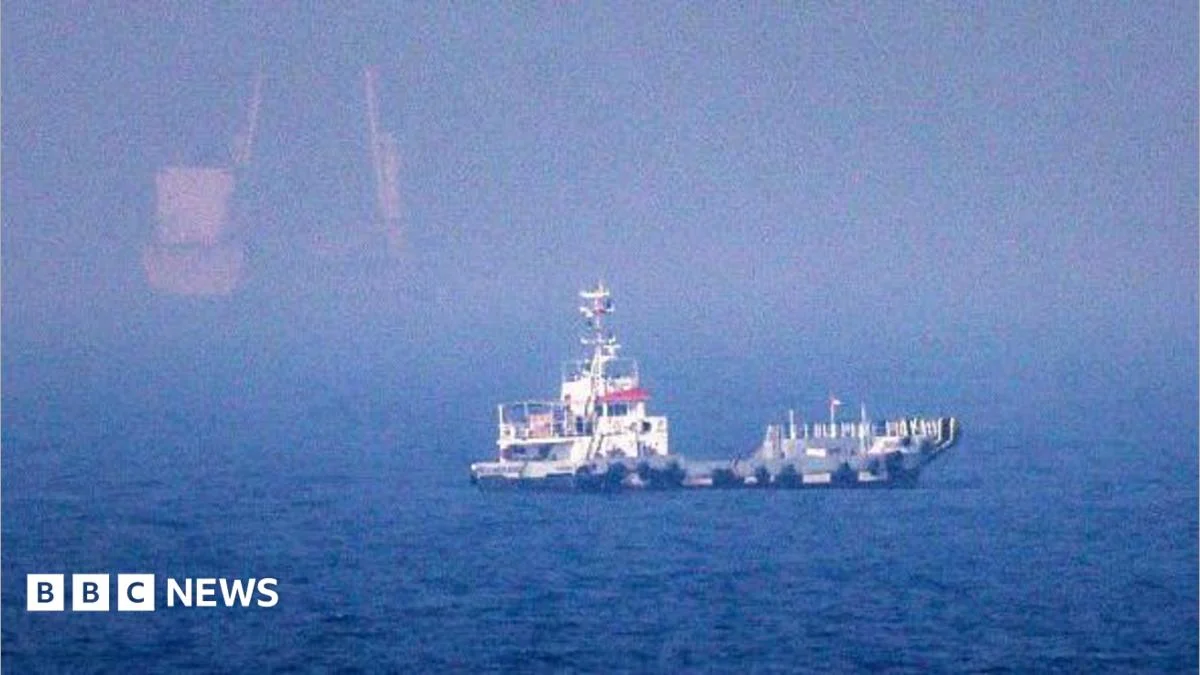
The United Arab Emirates condemned Iran’s attack on two commercial tankers in the Strait of Hormuz, calling it a brazen violation of international law as the United States carried out new strikes on Iranian targets for the third consecutive night. The incident, which occurred Monday, left one crew member dead and eight others injured, including six Indians and two Ukrainians, according to the UAE Ministry of Defence. Iranian forces had fired cruise missiles at the vessels, prompting a response from Tehran and a broader exchange of hostilities across the gulf region.
The episode comes amid a rapid escalation over the Strait of Hormuz, a chokepoint that channels roughly a quarter of the world’s oil and a fifth of global LNG, and which has become a focal point in the broader US-Iran confrontation. The UAE stated that the strikes on the tankers were part of a larger escalation in which both sides traded blows since Sunday night, heightening concerns about regional stability and energy security.
Iran’s Islamic Revolutionary Guard Corps (IRGC) subsequently claimed responsibility, saying two tankers ignored warnings, turned off navigation systems, and attempted to pass through a mined route. The IRGC asserted that it had hit and disabled the vessels in response, and warned that cooperation with “the aggressor enemy” would bring regret, damage, and delays to opening the Strait, with the risk of an energy crisis unfolding globally.
Oil markets reacted to the flare-up, with Brent crude trading higher in early Asia trading, reflecting the potential for tighter supply in a critical corridor. Brent edged up about 0.7% to around $83.87 a barrel, while US-traded crude was up roughly 0.9% near $79.04 a barrel. The previous day’s session had already seen Brent surge by more than 9% in response to the rising tensions, underscoring the sensitivity of global energy prices to developments in the Gulf.
In another move, US President Donald Trump announced a 20% toll on cargo passing through the Strait of Hormuz as part of an emerging blockade, saying the policy would deter Iran’s ships and customers from using the waterway while pledging that other nations would still have access. The blockade was set to take effect later on Tuesday, according to his remarks, and was described in terms of a broader security mission by Washington.
Trump framed the action as a hard-line measure, saying the United States would be “hitting them very hard” and asserting control over the strait. He also signaled that a potential peace deal could still be possible, telling reporters that a compromise remained within reach despite the current confrontation. Centcom later said that strikes against Iran were conducted on Monday evening, with additional targets across multiple Iranian locations announced in the ensuing hours as part of a broader campaign intended to degrade Iran’s ability to threaten shipping through the Strait.
Iran’s foreign ministry and other state sources characterized the U.S. moves as provocative, with Tehran signaling that it would remain the Strait’s guardian even as the tolls and blockades provoked international criticism and questions about legality. Iranian officials argued that any costs for safe passage should be borne by those who impose the measures, while the UN’s International Maritime Organization voiced opposition to mandatory tolls for straits used for international navigation.
The standoff has already seen maritime traffic through the Strait of Hormuz decline at times, and the broader market implications are driving volatility in oil and gas pricing as traders assess the risk of further disruptions to a corridor that acts as a critical arterial route for energy flows from the Persian Gulf to global markets. As day breaks across major markets, investors are weighing the potential for further escalations, the reliability of shipments through the Strait, and how sanctions and countermeasures might reshape regional energy dynamics.
The wider geopolitical backdrop involves ongoing debates about how to manage the strait in a way that preserves open navigation while deterring aggression, with many countries watching for signs of de-escalation or renewed talks that could restore some level of predictability to energy markets and shipping routes.
As the situation evolves, markets will continue to monitor Iran’s response, US actions, and the response from allies and international organizations, looking for any steps that could stabilize the Strait of Hormuz and mitigate further shocks to global energy supplies and prices.


