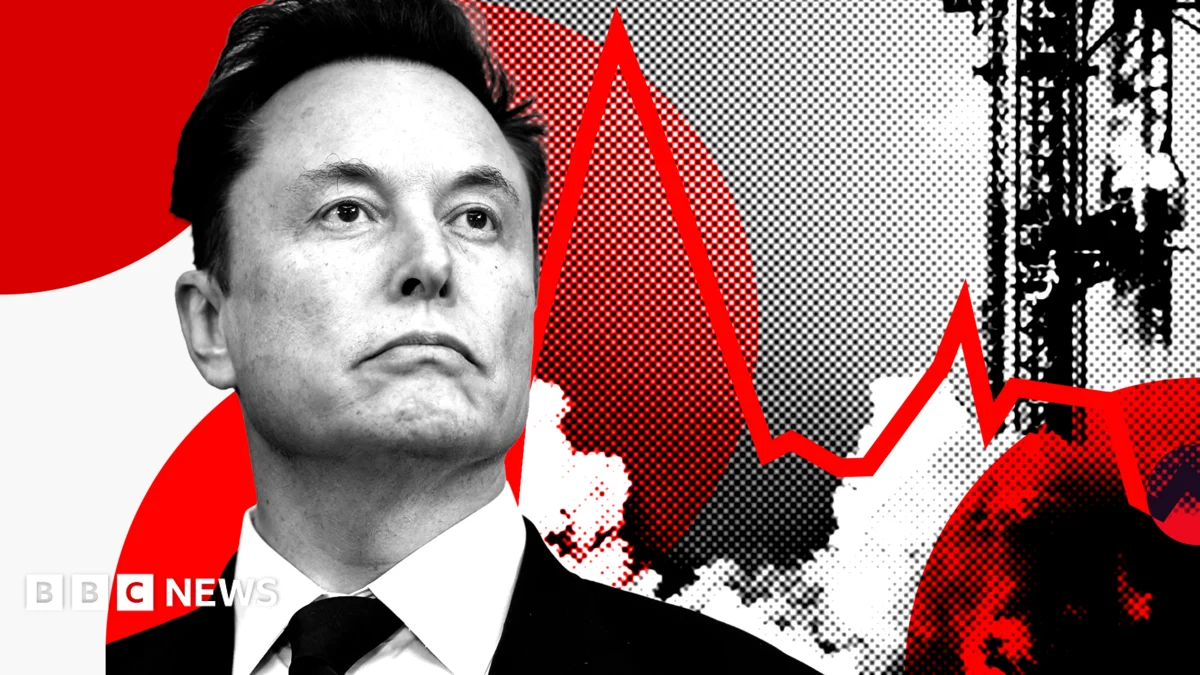
SpaceX’s stock market debut in June set a new milestone for initial public offerings, but a month into trading investors are reassessing the company’s momentum. When shares first became available to individual investors on 12 June, the market reaction was frenzied. SpaceX had priced its IPO at $135, but the stock quickly rose to $150 on the first day, peaked at $176, and closed at $160.95, cementing the issue as the largest IPO in history at the time.
In the following week, SpaceX continued to rise, with an intraday high of $225, pushing the company’s market value past both Amazon and Microsoft on a stray day basis, according to market observers. Keith Snyder, an analyst at CFRA, noted that the excitement around the founder’s name and the AI narrative helped drive demand. “With Elon Musk, any company he touches gets people excited,” he said, adding that investors differentiated SpaceX as an AI play in the public imagination. Willy Lee of Neosteller echoed that sentiment, saying, “Everyone saw SpaceX as an AI story.” SpaceX had earlier acquired Musk’s AI startup, now SpaceXAI, and began leasing data center capacity to other tech players, while its main business remains rocket manufacturing and Starlink satellite services.
The stock’s first setback came when Starlink reduced prices in Memphis, Tennessee, amid concerns over a large data center project, triggering an 8% intraday slide in SpaceX shares. As the year progressed, the price action underscored the reality of how SpaceX earns money: the company had been valued on the back of its growth story and the AI angle rather than a steady cash-flow narrative. SpaceX joined the Nasdaq-100 on 7 July, and despite a broader tech pullback, the stock declined 4.4% on that day, with the FTSE Russell index addition giving it only a temporary lift that seemed to fade quickly.
By the end of its first trading month, SpaceX traded around $145 a share, roughly 18% below the day-one high and about 35% off its peak so far. Analysts flagged a potential further dip, with some projecting a slide toward the $115 level, a level that would put the company’s value near $1.5 trillion depending on the pricing and performance dynamics. Snyder cautioned that those who bought in during the first five days could face a loss, comparing the move to rapid meme-stock surges seen in other names. Nevertheless, Kerr of Mergermarket said IPO investors who bought at $135 or who held pre-IPO equity might still be “ok,” depending on timing and ownership structure.
Elon Musk’s ascent was a central theme of the coverage, and after SpaceX’s listing made him the world’s first trillionaire, Musk forecasted SpaceX would generate about $1 trillion in annual revenue by 2030. He also indicated a willingness to use SpaceX’s own stock as a currency to fund strategic moves, such as the June 16 announcement of Cursor, a startup that created an AI coding bot, in an all-stock deal valued at $60 billion. Kerr described the Cursor acquisition as illustrating a high level of market sophistication for an issuer.
Morgan Stanley, which acted as a lead banker on the IPO, signaled that the downturn might be temporary. The bank’s research team started coverage with a $300 target price, signaling optimism despite the current price softness. In the near term, SpaceX’s results will be closely watched as the company approaches its first earnings release as a public company, expected in early August, likely coinciding with the end of the lock-up period that could add to near-term volatility.
SpaceX’s latest disclosures show the company remains unprofitable on a current basis, reporting last year $18 billion in revenue against ongoing losses. Analysts remain divided on how far the company has to go to translate the AI-driven narrative and the pace of product development into sustainable profitability. Some see SpaceX as potentially the most valuable company ever if execution matches the ambition; others warn that the stock could remain volatile until meaningful earnings and cash flow confirm the strategy.
As investors weigh the prospects, market participants will watch how SpaceX handles earnings, any updates to its technology roadmap, and how the company navigates a complex economics around Starlink and aerospace hardware. The coming weeks will be telling as the story moves from a headline-grabbing IPO to the realities of a capital-intensive business model adapting to a new public-market regime.


