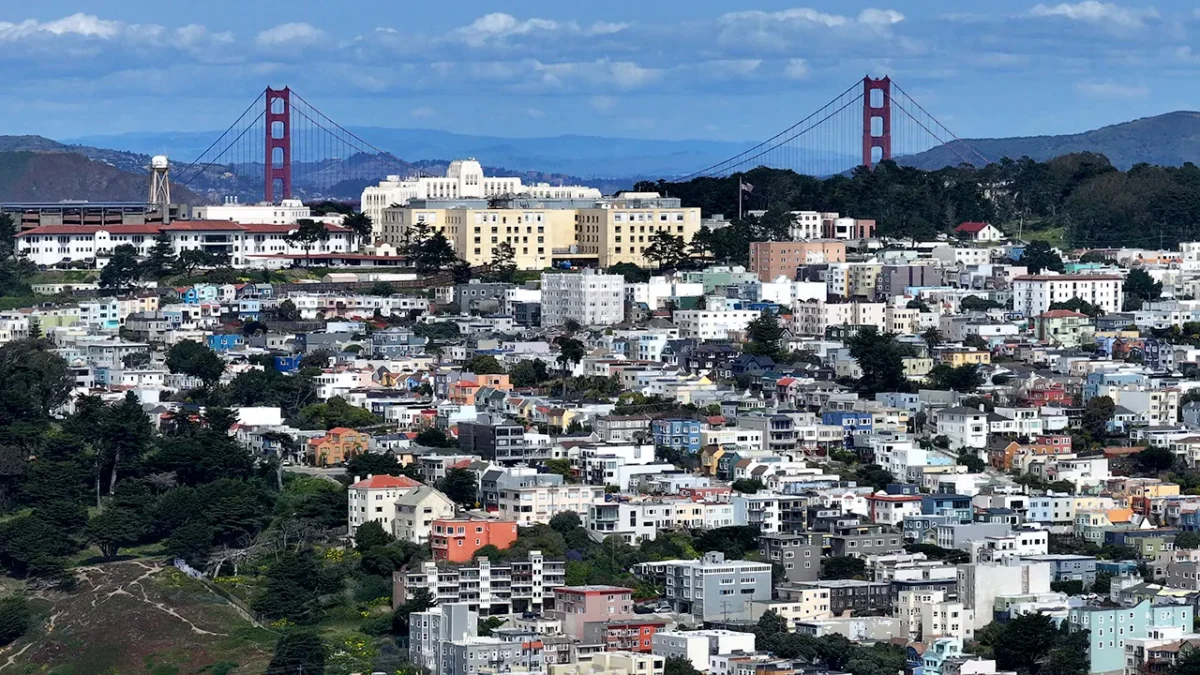
The artificial intelligence boom is driving a surge in bidding for San Francisco’s luxury housing, with dozens of homes closing at prices at least $1 million above the final asking price in June. Compass International Holdings, citing MLS data, reported that 44 San Francisco properties sold for more than $1 million above their final asking price, totaling over $60 million in such over-ask transactions for the month. This follows a recent pattern where April and May each posted a little over 30 over-ask sales, collectively exceeding $40 million, while March accounted for about 20 transactions totaling roughly $30 million.
The contrast with the two-year period from February 2024 through February 2026 is striking: some months had zero over-ask sales, and no month exceeded nine such transactions. The June data thus point to a rapid intensification of bidding wars in the Bay Area’s luxury market. Simonsen, Compass’ chief economist, highlighted the data on X, describing the 44 June transactions as totaling more than $60 million and calling the trend potentially one of the most useful indicators for understanding the 2026 San Francisco housing market.
A large share of the over-ask activity occurred in the 94114 ZIP code, which includes The Castro, Noe Valley and Dolores Heights, suggesting a geographic concentration of these high-price deals. Realtor.com’s Joel Berner noted that San Francisco’s overall housing market remains a seller’s market, with buyers competing over a depleted pool of listings and homes selling about 18% faster than a year earlier. While the median listing price across the market has dipped roughly 4.9% year over year to about $1.137 million, Berner cautioned that the luxury tier—especially the 95th and 99th percentile—has posted stronger price growth than the median, underscoring a widening gap between luxury properties and the broader market.
Berner attributed the buoyant activity to a broader cash infusion in the buyer pool tied to the AI boom and to IPOs of Bay Area–based tech firms. He noted that buyers have more liquidity but continue to chase the same limited supply of homes. He also warned that San Francisco’s long-standing constraints—expensive, scarce land and heavy regulatory hurdles—likely prevent a wave of new construction, suggesting seller’s market conditions could persist and prices might rise further in the near term. The data illustrate how AI-driven demand and related liquidity are shaping urban housing dynamics, with implications for construction activity, affordability, and wealth concentration within the Bay Area economy.


