Tradespeople across the UK are increasingly finding themselves in a challenging financial landscape, forced to haggle over prices and dedicate significant time to chasing overdue payments. The escalating cost of living has created a ripple effect, impacting both the ability of customers to pay for services and the operational viability of small businesses in the sector.
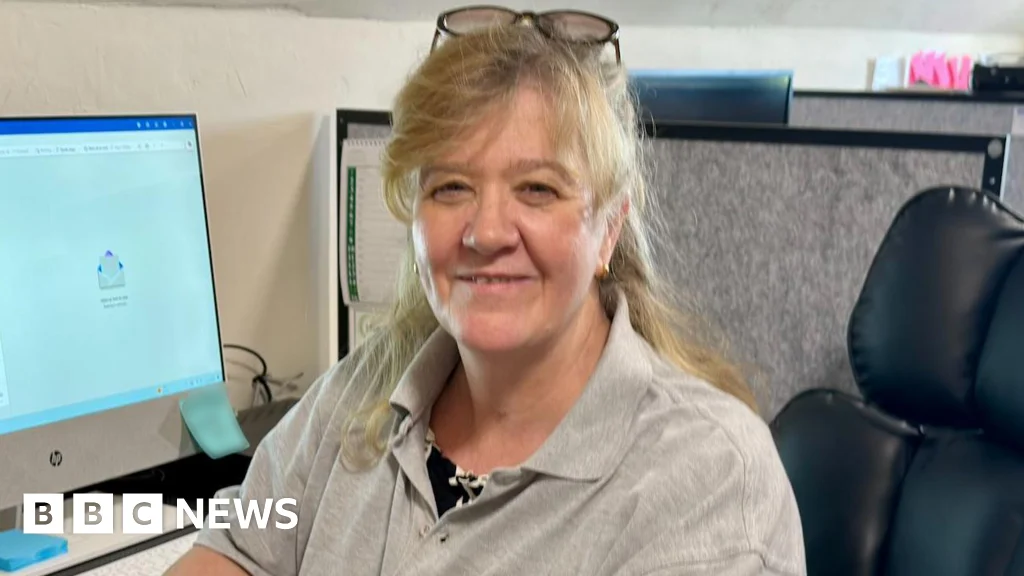
Angela Jeffery, office manager at West Wales Electrical Solutions, has seen her role evolve significantly. She now spends a considerable portion of her time managing payment plans and pursuing debts from customers experiencing financial difficulties. In some instances, the company has resorted to legal action, taking customers to the small claims court to recover outstanding amounts. This situation is not isolated; a survey by Direct Line Group revealed that over 53% of tradespeople have observed an increase in late payments compared to the previous year, a trend described as "deeply demoralising."
The same survey indicated that 68% of tradespeople are actively chasing late payments, with a substantial 23% managing four or more unpaid invoices concurrently. The average amount written off by these businesses due to non-payment stands at £1,646. Ms. Jeffery noted that some customers face genuine hardship due to job losses or personal bereavements, making it difficult for them to meet their financial obligations. West Wales Electrical Solutions, a family-run business based in Newcastle Emlyn, strives to accommodate customers facing genuine struggles, acknowledging the widespread economic challenges.
Their electrical services cater to agricultural, commercial, and residential clients. However, it is the larger projects, such as full rewiring or the installation of solar and green energy systems, that have presented the most significant payment challenges. Previously, customers would readily accept estimates, but now there is a greater demand for definitive costings before committing to a job. Ms. Jeffery explained that customers used to book services based on a general understanding of the cost, but this has shifted towards requiring precise figures upfront.
To navigate these difficulties, West Wales Electrical Solutions has implemented new policies, including offering payment options based on an hourly rate to ease the burden on customers. Ms. Jeffery emphasized the difficult economic climate affecting everyone, with the price of goods and services rising substantially. With five electricians on the road, the company needs consistent work and therefore aims to collaborate with clients to meet their needs and financial capacities.
Meanwhile, in Cardiff, Dom Meletti, director of DLM Tree Services, faces daily negotiations over pricing. His company, which provides tree surgery and maintenance for businesses and homeowners, has encountered customers questioning their fixed prices. Mr. Meletti maintains that their prices are fixed and fair, and while they politely explain their pricing structure when challenged, approximately 90% of potential clients still proceed with the service. He understands the financial pressures many customers are under, but his business incurs monthly outgoings of £10,000, excluding wages, regardless of workload.
Mr. Meletti admitted that haggling over prices can be disheartening, yet he also acknowledges the personal financial pressures that lead customers to seek lower costs. The Direct Line Group's survey, which polled 500 tradespeople, highlighted that the average amount owed to tradespeople for late payments is £2,023. Furthermore, 42% of respondents had written off debts exceeding £500 due to unpaid invoices, and 20% had abandoned chasing invoices worth over £1,000.
In response to these challenges, many tradespeople are adopting protective measures. These include requesting proof of funds before commencing work, demanding half the payment upfront with the remainder invoiced before completion, or implementing late payment fees. The UK government has recently introduced measures to combat late payments from larger corporations to small businesses, recognizing that such delays contribute to over 1,000 small business closures monthly.
Mark Summerville of Direct Line commented that tradespeople often feel compelled to write off unpaid invoices, a situation that is not only financially detrimental but also emotionally taxing. He stated that late payments are frequently cited as the primary concern for tradespeople, creating significant stress and disrupting both personal and business finances, impacting the ability to manage cash flow and cover essential expenses.
However, not all tradespeople are experiencing these difficulties. Gavin Shopland, a self-employed plumber in Cardiff with a loyal customer base since 2009, described his clients as "good as gold." He attributes this positive experience to strong customer loyalty and a straightforward approach to pricing, stating that his prices are fair and accepted without negotiation. This highlights that while systemic issues affect many, strong client relationships can mitigate some of the pressures.
These experiences underscore the broader economic strain affecting small businesses. The rising costs of essential goods and services, coupled with the persistent issue of delayed payments, are creating a difficult operating environment for tradespeople. The need for proactive financial management, clear communication with clients, and potentially government support remains critical for the sector's stability and growth. The challenges faced by businesses like West Wales Electrical Solutions and DLM Tree Services are indicative of a wider economic trend impacting small enterprises across the nation.


