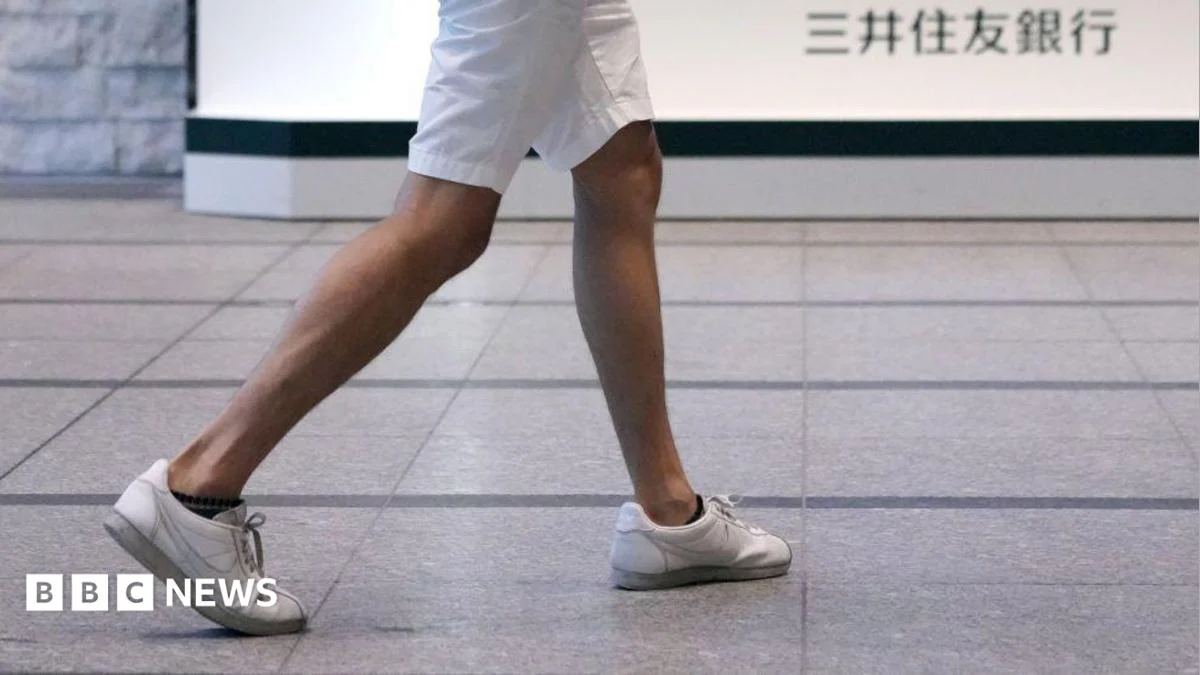
In a bid to ease office heat, the Tokyo Metropolitan Government has encouraged companies to move away from the traditional suit-and-tie dress code toward a more casual summer protocol that includes T-shirts, trainers and, in some cases, shorts. Tokyo Governor Yuriko Koike first rolled out the “Tokyo Cool Biz” initiative in 2005 as part of a broader energy-saving push, and the policy has evolved into an annual summer tradition aimed at reducing energy use as temperatures climb.
Nearly four months into the current policy’s early adoption, reactions have been mixed. Proponents say the looser dress code helps workers cope with extreme heat and improve comfort, potentially supporting productivity. Critics, however, say the policy is not gender-neutral and unfairly pressures women to wear tights or other leg coverings when male colleagues may wear shorts. Some women have described discomfort or harassment associated with visible leg hair, a phenomenon that online discourse has called “sunehara.”
Noboru Watanabe, an environmental official with the Tokyo Metropolitan Government, told the BBC that the aim is to offer more options “in the severe heat” as long as attire remains non-offensive. A Gorilla Clinic survey conducted in June found that 53.5% of respondents opposed wearing shorts to work this summer, while 46.5% supported the recommendation. The clinic notes that women were more likely to participate in the survey and that concerns over body shape and body hair were common reasons cited by both genders for resisting the change.
The shift toward casual summer attire coincides with a broader trend of increasing informality at workplaces, including startups and technology firms that have already embraced relaxed dress norms. Koike’s Cool Biz legacy is tied to energy-saving goals: encouraging employees to stay cool with lighter wear reduces the need for air conditioning and thus electricity demand. The government points to the long-running program’s success in cutting peak energy consumption during hot months.
Beyond fashion, the summer heat has intensified public health and energy concerns. Forecasters warn of extreme heat this season, with the Japan Meteorological Agency highlighting the risk of days described as “kokusho-bi” when temperatures exceed 40C. In the past week, Japan recorded seven heatstroke deaths and 4,580 hospital admissions from July 6–12, according to the Fire and Disaster Management Agency. To cope with the heat, people have adopted a range of products—from clothes with built-in fans to disposable wet towels, UV-blocking umbrellas and portable handheld fans—while authorities emphasize hydration and air conditioning.
Experts with the Japan Academic Network for Disaster Reduction stress heat acclimatization, noting that it can take weeks for the body to adapt to high temperatures. They advise preparing for the hot season during the rainy period ahead, given Japan’s humidity and its impact on cooling. The shape of next summer’s policy will likely depend on both public sentiment and ongoing evaluations of how dress norms influence energy use and comfort in a warming climate.


