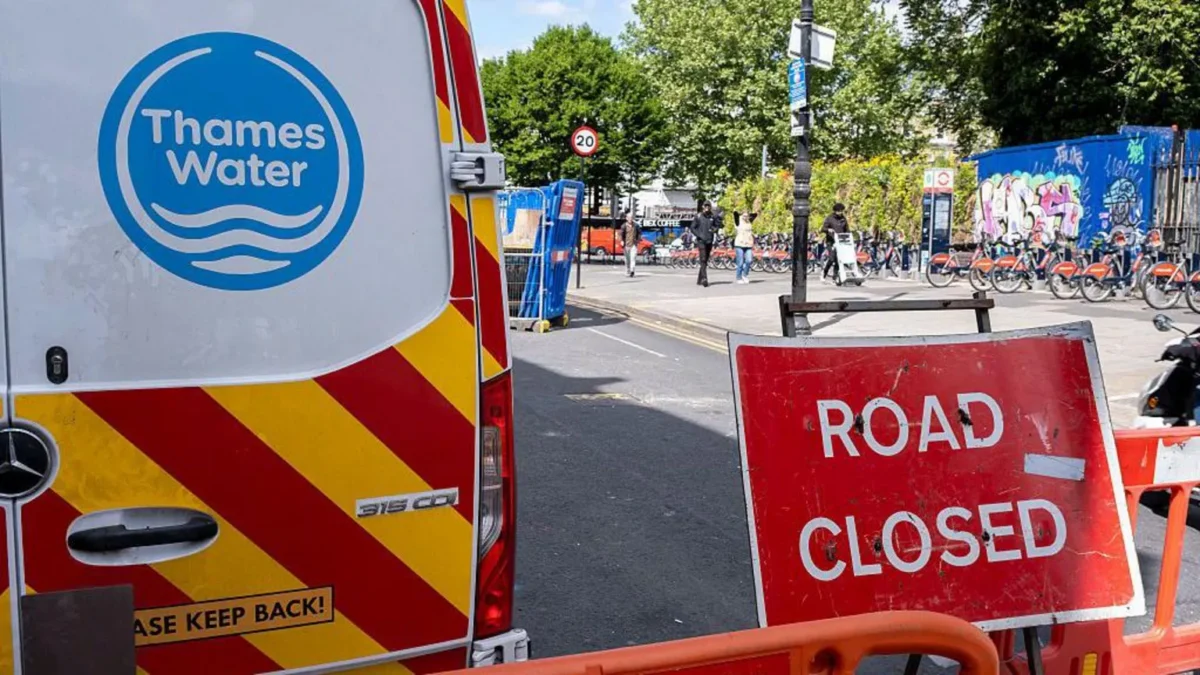
Thames Water, the United Kingdom’s largest water company, is again fighting for its survival as lenders press a rescue package that could inject fresh capital while lenders demand concessions on future pollution penalties. Environment Secretary Emma Reynolds has written to Ofwat, the sector regulator, to flag concerns about a £10 billion rescue proposal put forward by the company’s main lenders, London & Valley Water. The plan would aim to stabilise the business by providing new investment but would also require substantial debt relief and leniency on penalties for environmental violations. Ministers’ objections add to the risk that Thames Water could move closer to some form of public ownership and management if the deal falters.
Thames Water serves roughly 16 million people across London and southern England and remains under pressure to fix leaks, curb sewage spills, and modernise ageing infrastructure. The proposed rescue would see the lenders writing down about half of Thames Water’s roughly £20 billion debt pile, while seeking relief from future pollution fines. Reynolds, however, cautioned that the offer “does not do enough to protect consumers or the environment,” raising the prospect of a temporary public-management regime if the company were to fail, a special administration regime (SAR).
If the firm collapses, customers would still receive drinking water and sewerage services, but a SAR could place the company under government-appointed managers. Proponents of public ownership argue a fresh start could allow a new long-term owner and debt relief, while Thames Water has argued for a market-led solution. The lenders have previously suggested that a SAR would not solve the underlying problems and would merely restart the turnaround process. The government has signalled it remains open to a commercial deal but said it “stands ready for all eventualities.”
For customers, the immediate service would not be disrupted, but bills are expected to rise to fund infrastructure repairs. Thames Water has signalled that average bills are likely to climb sharply through 2030 to finance upgrades, while London & Valley Water has said its rescue plan would keep bills at that level rather than pushing costs higher. A spokesperson for the group described the proposal as “the fastest route to improve outcomes for customers and the environment.” Reynolds stressed that she did not want a scenario where customers “pick up the bill for the company's failures.” Thames Water argues a commercial deal remains the best path to long-term stability and ongoing improvements.
How did Thames Water get into this predicament? The company’s debt burden has been among the sector’s most challenging. Privatised in 1989 with no debt, Thames Water’s total liabilities have since risen to over £20 billion, a rise amplified during the period when Macquarie, an Australian infrastructure bank, owned the company and debts topped £10 billion by 2017. Critics say the lender era involved heavy borrowing and substantial funds extracted via loans and dividends rather than durable investment. By 2024, control had effectively shifted to a consortium of pension funds and investment firms, many of which wrote down their stakes to zero that year. The lenders then pursued a rescue in 2025 after the previously planned sale to KKR fell through.
Privatisation of the water sector under Prime Minister Margaret Thatcher remains controversial. In the 1980s, the government sought private capital to fund environmental upgrades, with Thatcher later noting that earnings would come from customers who valued the improvements. Critics argue privatisation saddled the industry with debt without delivering sustainable investment. As Thames Water confronts ongoing pressure to overhaul its network and reduce environmental risk, the political debate continues over financing and responsibility for future upgrades.


