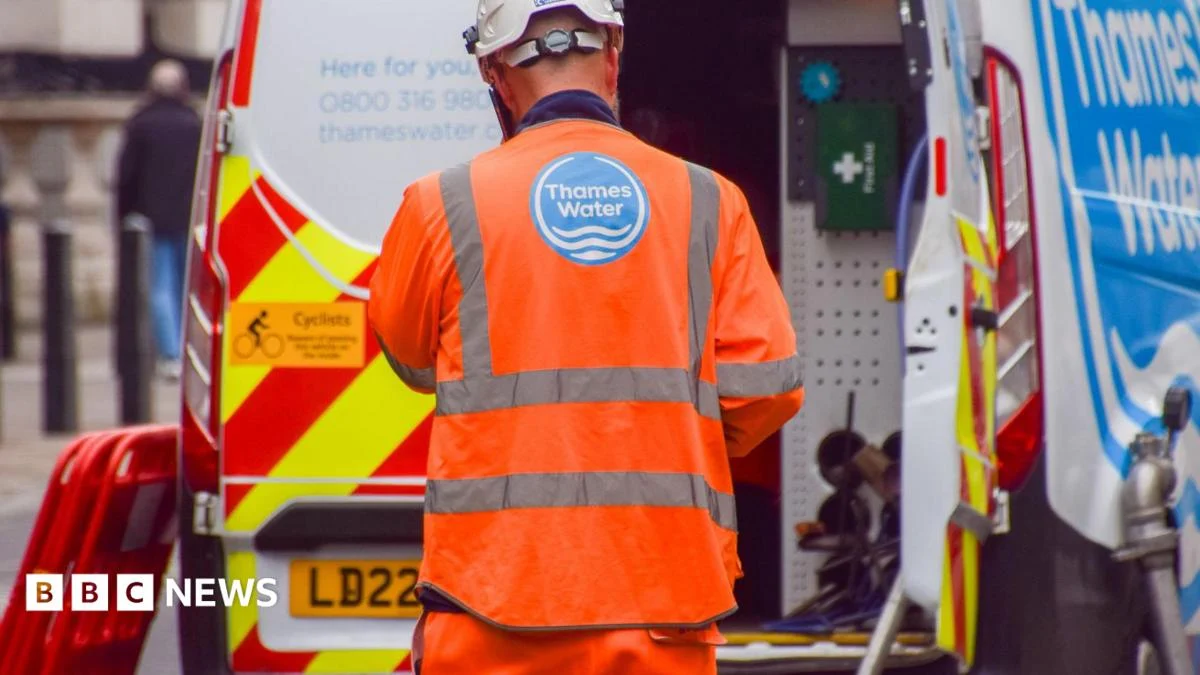
Thames Water’s main lenders have tabled a package aimed at preventing nationalisation, proposing a government-granted golden share and closer involvement of local authorities in governance. The move follows a government rejection of an earlier rescue proposal, and lenders reportedly expect a potential legal challenge if a Burnham-led administration moves the firm into public ownership. The proposed golden share would empower the government to veto major corporate actions, including mergers and acquisitions, while the lenders also seek a framework of greater collaboration with local authorities modeled on the relationship between United Utilities and Greater Manchester during Burnham’s mayoralty.
In his first speech as prime minister, Andy Burnham signalled a push for broader public control of essential services, a stance lenders say aligns with their plan to stabilise Thames Water without fresh taxpayer funding. Sources close to the creditors told the BBC that, in a scenario of full nationalisation, they would pursue payment in full of the outstanding debts, a move that could leave the government facing a multi‑billion‑pound bill. The London & Valley Water (L&VW) consortium had previously floated a £10 billion rescue to keep Thames Water out of administration, proposing to write off roughly half of the firm’s debt and inject fresh cash in return for leniency on future pollution fines.
The government rejected that proposal in June, with the environment secretary at the time saying it did not do enough for consumers or the environment. Since then, lenders have argued that the new offer represents material improvements and would benefit customers and the environment, emphasising that it would arrive without new government funding or costs to taxpayers. A golden share, they say, would allow the government to veto major decisions such as mergers and acquisitions and would be part of a broader framework that could include closer coordination with local authorities. Ofwat, the regulator, would need to review any new proposals before they could take effect.
Thames Water, which supplies drinking water and wastewater services to about 16 million people across London and parts of southern England, has faced liquidity pressures and warned it could run out of cash by November. The firm recently announced a hosepipe ban amid dry conditions. The company received a record £122.7 million fine last year from Ofwat for breaches related to sewage spills and shareholder payouts, the largest penalty in the regulator’s history. Even if Thames Water were to fail, officials have said services would continue, though disruption could occur during restructuring. The lenders contend that the latest plan would stabilise operations and protect customers and the environment, presenting it as the fastest and most reliable route to address the company’s problems without imposing new funding or costs on taxpayers.
As the debate over Thames Water’s future continues, the government has reiterated that it will act in the national interest, while creditors argue the latest proposals provide a quicker and more dependable path to restoring stability and preserving private-sector involvement in a company of national significance.


