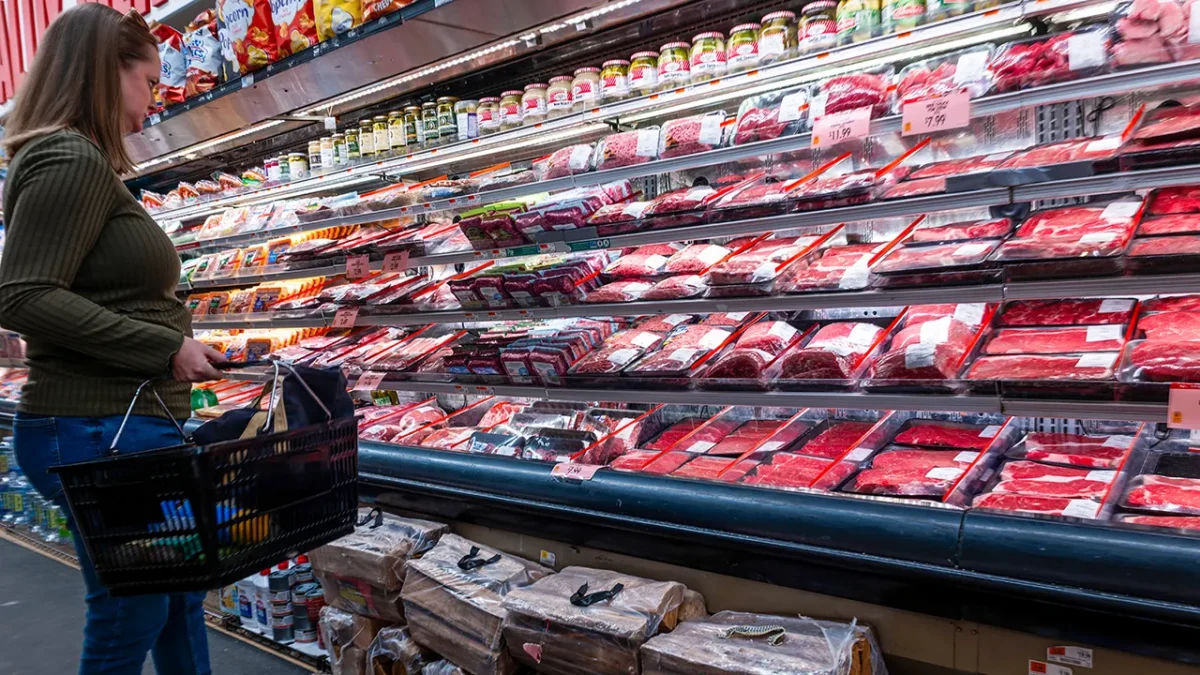
Hard-working Americans looking to fire up the grill this weekend are facing major sticker shock before they even light the charcoal. The latest Wells Fargo summer BBQ food report shows that hosting a standard summer barbecue for 10 people now averages $161, or about $16 per person, marking a 2.4% year-over-year rise in total cookout costs. The most pronounced pressure comes from meat, with hamburger beef up 14% from a year earlier, illustrating the real pricing pain behind general inflation.
Across the board, the cost of common barbecue staples has climbed. Ready-made sides like potato salad are up 3%, reflecting higher manufacturing wages being passed along to consumers. Other favorites such as cornbread are up 4%, raw vegetables up 6%, and desserts show increases ranging from 1% to 4%. The price momentum aligns with the May consumer price index, which showed ongoing inflation for gasoline, groceries, and rent.
Source analysts note that the higher price tags for some items fall largely in line with broader price trends, yet there is a dynamic that could ease certain items as the season progresses. Growers have responded to higher prices by expanding plantings, a move that could bolster supply and moderate price increases for some categories, potentially offering consumers relief where fresh produce is concerned.
Retailers warn that the lift in costs is not uniform. For those who prioritize convenience and prepared foods, prices are likely to edge higher. Experts emphasize that prepared items carry higher labor, packaging, and energy costs, which retailers may pass along to shoppers while still trying to preserve margins.
The inflation picture for BBQ season also underscores the trade-off between convenience and cost. While some items are more economical when prepared from scratch—like ribs or side dishes—consumers should weigh the value of labor against the premium for ready-made options. For example, pre-cut vegetable trays can add a noticeable premium, and fully cooked, pre-packaged ribs cost more per pound than buying raw.
In terms of menu planning, experts suggest a mix of affordable proteins and homemade sides. A recommended inflation-busting lineup includes chicken and pork as mainstays, along with scratch-made sides such as deviled eggs—where eggs are down 14%—plus watermelon and strawberries, which have declined by 3%, and dessert options like cookies or ice cream. The key, according to Wells Fargo’s insights, is balancing cost with flavor and convenience to keep a cookout enjoyable without breaking the budget.
As households prepare for gatherings, many are also considering how to optimize purchases. For example, opting for DIY fare over grocery-store shortcuts can yield savings, though convenience has its place. The broader inflation backdrop remains a factor for weekend plans, with the CPI providing the latest context for how much everyday staples cost compared with a year ago.
Overall, consumers can expect continued variability in barbecue costs through the season, with meat prices driving much of the forward trajectory and produce offering some potential relief as growers respond to demand. The summer cooking season thus becomes a microcosm of the wider inflation story, where the pace of price changes across categories will continue to shape family budgets and shopping choices.


