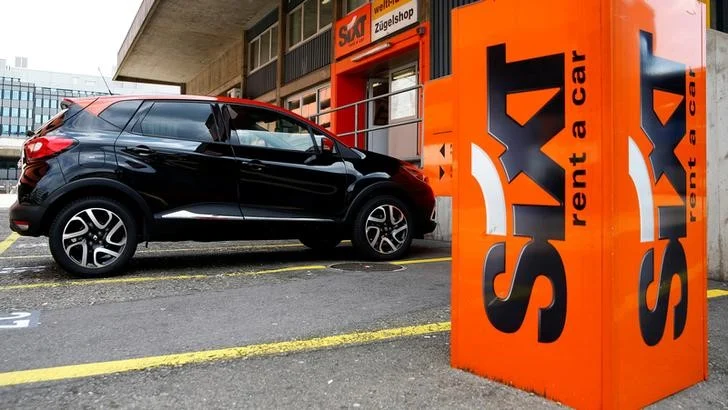
German car rental giant Sixt SE has reported a robust first quarter, surpassing analyst expectations for earnings before taxes and reaffirming its financial outlook for 2026. The company's performance was driven by a significant increase in revenue, demonstrating resilience and strategic execution in a dynamic market.
In the first quarter of 2026, Sixt posted earnings before taxes of €2.1 million. This figure represents a substantial turnaround from the €1.5 million loss that was anticipated by company consensus and a marked improvement from the €17.6 million loss recorded during the same period in the previous year. This positive swing highlights the company's enhanced profitability and effective cost management.
Revenue for the quarter reached €928.9 million, exceeding the consensus forecast of €911 million. On a currency-adjusted basis, this represents a healthy year-on-year increase of 12.6%. The company's corporate EBITDA also showed strong momentum, climbing by 40.2% compared to the prior year to reach €67.7 million. Net profit for the quarter stood at €1.5 million, a significant recovery from the €12.6 million net loss experienced in the first quarter of 2025.
Sixt's strategic expansion of its fleet contributed to its performance, with the average fleet size increasing by 8.4% year-on-year to 182,900 vehicles, excluding franchise operations. This growth in fleet capacity is crucial for meeting escalating customer demand and maintaining a competitive edge.
The company has reiterated its full-year 2026 guidance, projecting revenue to fall within the range of €4.45 billion to €4.60 billion. Furthermore, Sixt anticipates an earnings-before-tax margin of approximately 10% for the entire fiscal year. The midpoint of the revenue guidance aligns closely with the company consensus of €4.54 billion, and the implied earnings before taxes for 2026 are estimated at around €453 million, slightly above the consensus forecast of €446.9 million.
Geographically, Sixt experienced varied performance across its key markets. Revenue in Europe, excluding Germany, saw a notable increase of 16.2%, amounting to €344.7 million. Within Germany, revenue grew by 11.5% to €271.2 million. However, revenue in North America experienced a slight decline of 1.9% to €310.3 million, primarily attributed to unfavorable foreign exchange effects. Despite the currency headwinds, the North American business demonstrated underlying organic growth of 9.2%, according to analysis by Jefferies.
Alexander Sixt, co-CEO of Sixt SE, emphasized the company's strategic direction, stating, "We are growing profitably because our strategy is clear and consistent: a tight, demand-oriented fleet, sustained strong investments in premium vehicles, brand, network, and above all technology." This statement underscores the company's commitment to leveraging its fleet, brand, and technological infrastructure to drive profitable growth.
Chief Financial Officer Franz Weinberger reinforced the company's outlook, commenting, "We confirm our full-year guidance – despite increased geopolitical and macroeconomic uncertainty." This affirmation signals confidence in Sixt's business model and its capacity to navigate external challenges effectively.
The company's operational strategy centers on a demand-driven fleet management approach, complemented by substantial investments in premium vehicle acquisition, brand enhancement, network expansion, and technological innovation. These strategic pillars are considered essential for sustaining profitability and achieving market share growth in the competitive car rental landscape.
Sixt's first-quarter financial results reflect a positive operational trajectory, with key performance indicators such as earnings before taxes, revenue, and net profit demonstrating significant year-on-year improvements. The company's ability to exceed profit estimates and maintain its forward-looking guidance suggests a robust business model capable of adapting to evolving market dynamics.
The reaffirmation of the 2026 financial outlook, even amidst prevailing geopolitical and macroeconomic uncertainties, indicates a strong level of management confidence in the company's strategic initiatives and operational execution. The ongoing focus on premium vehicle offerings, technological advancements, and brand building remains central to Sixt's long-term growth strategy.
Revenue growth in key European markets, particularly in regions outside of Germany, played a significant role in the company's overall top-line performance. While the North American segment faced currency-related challenges, the reported organic growth in that region points to a healthy underlying demand for Sixt's rental services.
The company's dedication to investing in its fleet, technological capabilities, and brand presence is a strategic imperative aimed at enhancing the customer experience and optimizing operational efficiency. These investments are anticipated to foster continued profitable expansion and solidify market share gains.
Sixt's financial results and forward-looking statements offer investors a clear perspective on the company's current financial health and future prospects. The successful delivery of strong first-quarter results, coupled with the ability to navigate a complex economic environment, positions Sixt favorably within the automotive rental sector.
The strategic emphasis on premium vehicles and advanced technology is designed to differentiate Sixt's service offerings and capture higher-value market segments. This approach, combined with disciplined fleet management, is intended to drive sustainable profitability and enhance shareholder value. The company's consistent performance and strategic investments are key factors for its continued success in the global car rental market.
Sixt's commitment to innovation and customer satisfaction is evident in its strategic investments. The company is focused on enhancing its digital platforms and customer interfaces to streamline the rental process and improve user experience. This technological focus is not only aimed at operational efficiency but also at building stronger customer loyalty and attracting new demographics to its services.
The expansion of the fleet, particularly in premium and specialized vehicle categories, caters to a growing demand for higher-quality rental options. This strategy allows Sixt to command better pricing and achieve higher margins, contributing to overall profitability. The company's ability to manage fleet utilization effectively ensures that these investments translate into tangible financial returns.
Furthermore, Sixt's brand-building efforts are crucial in a competitive market. By investing in marketing and brand communication, the company aims to reinforce its image as a premium service provider, attracting customers who value quality, reliability, and a superior rental experience. This brand equity is a valuable asset that supports long-term growth and market positioning.
The company's financial discipline, as demonstrated by its ability to manage costs effectively while investing in growth, is a key factor in its sustained profitability. The focus on a demand-oriented fleet ensures that capital is deployed efficiently, minimizing idle assets and maximizing revenue generation. This balanced approach to financial management is critical for navigating economic fluctuations.
Sixt's performance in the first quarter of 2026 serves as a strong indicator of its operational strength and strategic foresight. The company's ability to achieve profitability above expectations, while simultaneously confirming its long-term financial targets, provides a positive signal to investors about its future prospects. The consistent execution of its strategy, focused on premium offerings and technological advancement, positions Sixt for continued success in the evolving automotive rental industry.


