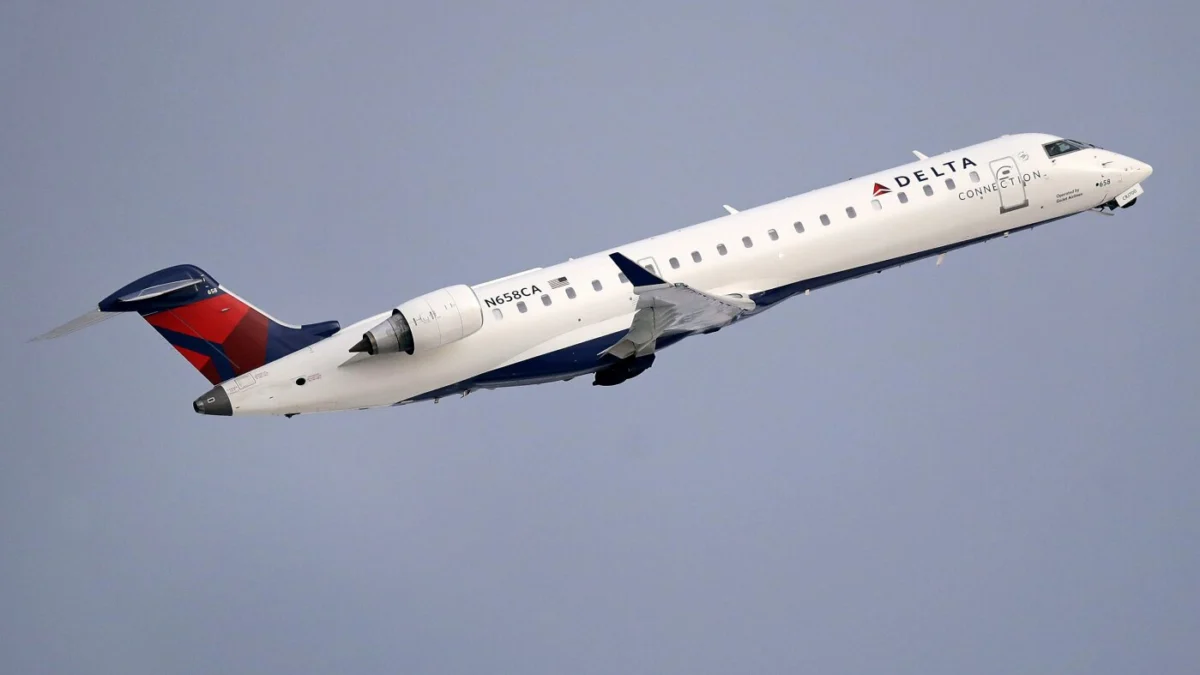
Short regional flights, once a cornerstone of the United States air travel system, are experiencing a significant downturn. These flights, often spanning less than 250 nautical miles, have seen an 11% decrease in scheduled operations between 2016 and 2026. This trend contrasts sharply with longer domestic routes, which have generally seen growth over the same period. The decline is particularly notable as it was underway even before recent spikes in jet fuel prices, exacerbated by geopolitical tensions.
John Grant, a senior analyst at OAG, an aviation analytics firm, notes that operating flights over such short distances is inherently more expensive for airlines. The efficiency gains typically associated with the cruise phase of longer flights are largely absent. In contrast, domestic flight categories exceeding 500 miles have demonstrated consistent gains over the past decade, indicating a strategic shift by airlines towards optimizing longer routes. This evolution suggests a move within the U.S. hub-and-spoke system towards extending the "spokes" to cover greater distances.
The economic viability of short flights hinges on passenger density and willingness to pay. Joshua Schank, an urban planning professor at UCLA and partner at Infra Strategies, highlights that even seemingly short routes, like Milwaukee to Chicago (less than 80 miles), often serve a crucial function for passengers connecting to other destinations. The availability and convenience of alternative transport, such as rail, are critical factors. However, rail lines often connect city centers rather than airports, making air travel the only practical option for many connecting passengers.
Faye Malarkey Black, CEO of the Regional Airline Association, emphasizes that "density" is the key driver for short flights, not just distance. If a short route connects two urban centers with high passenger volume, it can remain a viable option. These short-hop routes are essential components of the hub-and-spoke network, facilitating travel between smaller cities and major hubs. Despite the overall decline, routes under 250 nautical miles remain the second most popular domestic flight category, with flights between 251 and 500 nautical miles also showing resilience, albeit with a smaller dip.
However, the operational costs associated with frequent takeoffs and landings make short flights less efficient. Grant explains that a significant portion of fuel is consumed during these phases, and each landing contributes to aircraft wear and tear. Airlines generally aim for a "two-hour block time" to maximize revenue against costs, a category that often encompasses flights over 500 miles. This economic sweet spot favors longer routes where aircraft can achieve better fuel efficiency and operational economics.
Beyond direct operational costs, short flights also contribute to airport congestion and strain air traffic control systems. A small regional jet, even with fewer passengers, requires the same attention from air traffic controllers as a large wide-body airliner. Furthermore, these smaller aircraft repeatedly occupy gate space as they shuttle passengers between regional airports and hubs, adding to the logistical complexities and costs at busy airports.
The role of regional airlines as the backbone of air service to smaller communities has diminished. In the early 2000s, regional carriers provided scheduled air service to approximately three-quarters of U.S. airports. Today, that figure has fallen to about two-thirds, signaling a reduced connectivity for smaller markets. This contraction is partly attributed to pilot shortages, which have forced airlines to prioritize routes where their limited pilot pool can be most effectively utilized.
Recent geopolitical events, specifically the conflict in the Middle East and its impact on global oil markets, have led to a dramatic increase in jet fuel prices. Domestic jet fuel costs have nearly doubled since early February, prior to the U.S. and Israel's actions against Iran. In March alone, U.S. airlines spent over $5 billion on jet fuel, a 56% increase from February, according to the Bureau of Transportation Statistics. This surge in fuel expenses was a direct factor in Spirit Airlines' recent decision to cease operations.
Fuel prices are even more acute in markets that rely on supplies transiting the Strait of Hormuz, a critical chokepoint for global oil and fuel shipments. The increased cost of jet fuel directly impacts airline profitability, forcing carriers to re-evaluate their route networks and pricing strategies. This situation is accelerating the trend away from less profitable short-haul routes.
Airlines are increasingly investing in a new generation of narrow-body aircraft that offer superior fuel efficiency and operational economics for longer routes. Ahmed Abdelghani, a professor of operations management at Embry-Riddle Aeronautical University, notes that these modern jets can carry more passengers, spreading fixed costs over a larger base and thus lowering per-seat costs. This makes them a more attractive option for airlines focused on route profitability.
While these larger, more efficient aircraft are beneficial for longer routes, they are not always suitable for smaller markets or shorter flights. The economics of operating these planes on very short routes can be unfavorable compared to smaller, dedicated regional aircraft. This mismatch can lead to further reductions in service to smaller communities that cannot support the larger aircraft or the higher per-seat fares they might necessitate.
The shift towards longer flights and more efficient aircraft is reshaping the U.S. air travel landscape. Routes in the 501 to 750-mile category, for example, saw an 11% increase in scheduled flights, reaching nearly 1.7 million in 2026. Flights exceeding 750 and 1,000 miles have also experienced double-digit percentage growth, underscoring the industry's focus on optimizing longer-distance travel.
Consequently, smaller hub and non-hub airports are experiencing the most significant losses in air service. These markets are often heavily reliant on shorter-distance flying. As airlines prioritize efficiency and profitability, these smaller communities face the risk of reduced connectivity and fewer flight options. The combination of rising fuel costs, the operational economics of modern aircraft, and existing challenges like pilot shortages creates a challenging environment for the future of short-haul air travel.
The trend suggests that short flights, while still a necessary component of the aviation network for certain connections and markets, may become less prevalent. Airlines will likely continue to concentrate on longer, more profitable routes, potentially leaving smaller communities with fewer air service options unless new economic models or aircraft technologies emerge to support short-haul operations more effectively.


