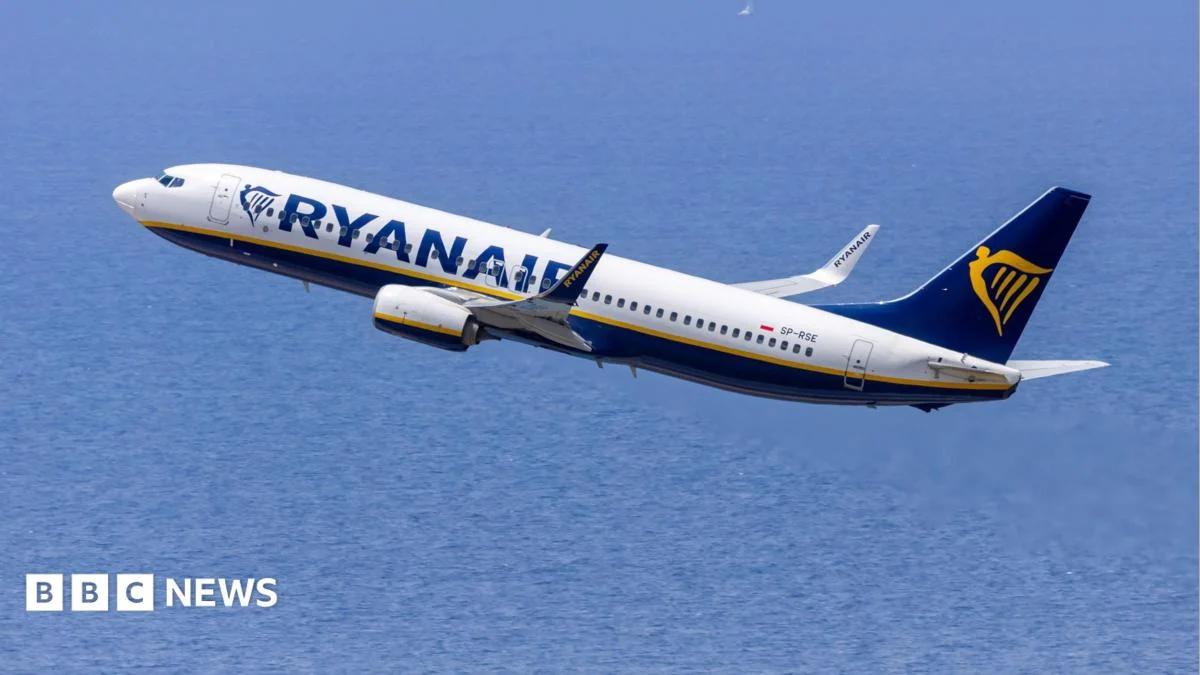
Ryanair reported a sharp drop in quarterly profits as the Middle East conflict pushed up jet-fuel prices and deterred travelers. The Irish carrier’s pre-tax profit fell 34% to €593 million in the April-to-June period, with sales remaining flat as the airline was forced to cut fares to stimulate demand. Ryanair warned that summer fares could be marginally lower than last year, citing consumer hesitancy about air travel.
Fuel costs have surged since February, when the United States and Israel launched strikes against Iran. The airline said it had hedged or secured terms for much of its future fuel needs, but costs for unhedged fuel have more than doubled. Oil markets climbed overnight, with Brent crude rising and prices for crude oil crossing the $90 a barrel mark as tensions in the region persisted. The Strait of Hormuz, a crucial artery for global oil and gas flows, faced renewed disruption, underscoring the potential for further price volatility.
Ryanair cautioned that its full-year results would be highly sensitive to external factors, including widened conflict in the Middle East and Ukraine, as well as the evolving price of unhedged jet fuel. Analysts noted that sustained disruptions could push oil prices higher, complicating the battle to balance supply and demand in the aviation market. One investment strategist warned that if the strait remains closed and the war worsens, prices could approach $150 a barrel, though he stressed that this scenario is not the base case.
The report underscores how geopolitical turbulence and energy costs are weighing on European airlines, even as carriers seek to maintain volumes through pricing strategies and hedging. Investors watch for how Ryanair and peers navigate fuel volatility and demand in a fragile travel environment.


