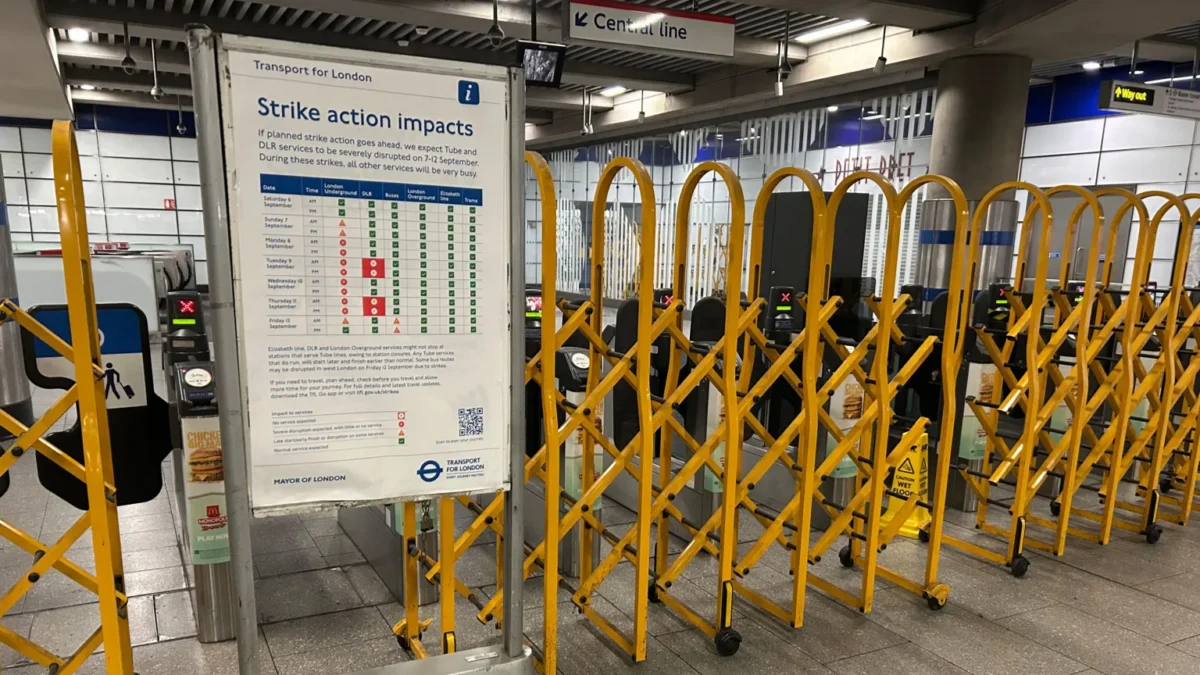
The Rail, Maritime and Transport (RMT) union has suspended planned strike action by London Underground drivers, averting significant disruption that was set to commence this week. The walkouts, originally scheduled for 24 hours on Tuesday and Thursday, were part of a dispute concerning the voluntary introduction of a four-day work week with condensed hours.
In a statement released on Monday, the RMT indicated that the employer had shifted its position at the "11th hour," allowing the union to further investigate members' concerns. These concerns primarily revolve around the imposition of new rosters, potential fatigue issues, and safety implications arising from the proposed changes.
Transport for London (TfL) welcomed the suspension, describing it as "good news for London." While industrial action planned for June 16 and 18 has been cancelled, the RMT has announced fresh strikes for June 2 and 4, warning that the dispute is ongoing and further action may follow if progress is not made.
Nick Dent, director of customer operations for London Underground, expressed satisfaction with the RMT's decision to withdraw the planned industrial action. He reiterated that TfL's proposal for a voluntary four-day week aims to enhance both the work-life balance for drivers and the overall reliability of services for passengers. "We look forward to further discussions on the implementation of these proposals with all of our trade unions," Dent added.
Prior to the suspension, significant service disruptions were anticipated. No service was expected on the Circle and Piccadilly lines, as well as parts of the Metropolitan and Central lines. However, many Tube drivers, including members of the Aslef train drivers' trade union, were expected to report for work as usual.
Aslef has already accepted TfL's proposals, characterizing them as an exemplary deal that other trade unions should strive for. Aslef members who participate in the voluntary compressed four-day week will receive an additional 35 days off annually in exchange for what they describe as "fairly minor changes to working conditions."
The RMT, however, holds a different view, labeling the voluntary proposals a "fake four-day week that amounts to five days' work compressed into four." The union's primary objections center on reduced flexibility, extended shift lengths, and the resultant fatigue that could compromise safety.
Ed Richardson, programme director for transport at BusinessLDN, acknowledged the positive development but stressed the need for a long-term resolution. "Many firms will already have lost out through cancelled bookings and reservations so it's now vital that both sides come to a longer-term resolution," he stated. Richardson emphasized that avoiding further strikes is crucial for the capital's economy, especially as London heads into a busy summer period.


