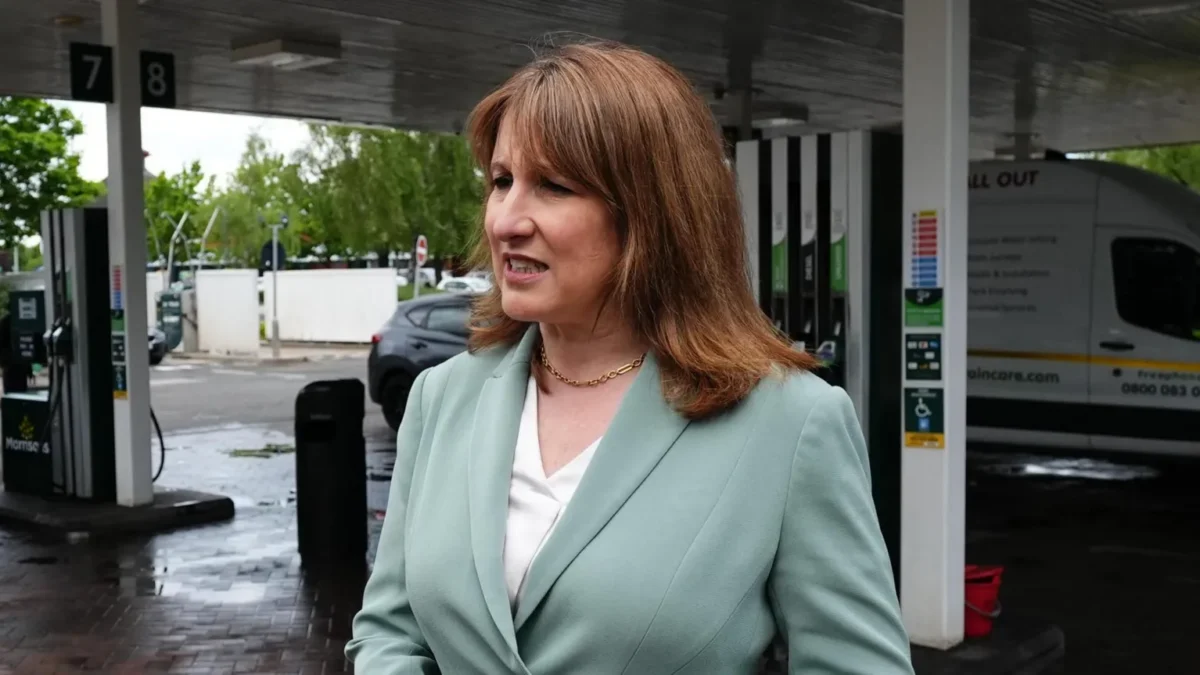
The government is launching a "Great British Summer Savings" initiative, aiming to highlight policy announcements and provide relief on everyday costs. Chancellor Rachel Reeves is positioning these measures to show an understanding of the ongoing cost of living pressures faced by millions of families, amidst broader political discourse.
Ministers are reportedly embracing a proactive approach, focusing on policy delivery and public assistance rather than internal party conflicts. The Prime Minister, in a recent op-ed, emphasized his administration's commitment to an "active and interventionist" government, citing a newly established trade agreement with six Gulf economies as a key achievement.
Behind the scenes, senior government figures are pointing to positive economic indicators that have been overshadowed by recent political events. These include economic growth exceeding expectations in recent months and a faster-than-anticipated decline in inflation. These developments suggest a more robust economic backdrop than often perceived.
The chancellor's specific policy announcements, designed as the public-facing "retail pitch," include an extension of the fuel duty freeze until the end of the year. Additionally, plans are in place to ensure sufficient jet fuel availability for the upcoming summer travel season. A notable measure for consumers is the offer of free bus travel for children across England during August.
However, a significant intervention to directly address energy bills is not anticipated at this time. The government's rationale is that energy consumption and costs typically decrease during the summer months. The current focus, according to officials, is on contingency planning for potential energy price increases and supply issues during the winter.
There is a strong sentiment within the government that replicating the broad, universal support packages previously offered, such as the energy bill cap implemented by Liz Truss's administration, would be financially unsustainable and irresponsible. The significant impact of such Conservative-led schemes on public finances is a key consideration.
Any future support for winter energy costs is expected to be highly targeted, though the specifics regarding eligibility and the level of assistance remain undetermined. Government sources indicate a degree of uncertainty about the economic and political landscape by autumn, influenced by both international factors, such as potential disruptions in oil supply, and domestic considerations, including potential changes in key ministerial positions.
The government believes that large, untargeted financial interventions could have detrimental effects across various economic segments. Therefore, the strategy for winter support hinges on precision, aiming to assist specific groups most in need without exacerbating public debt.


