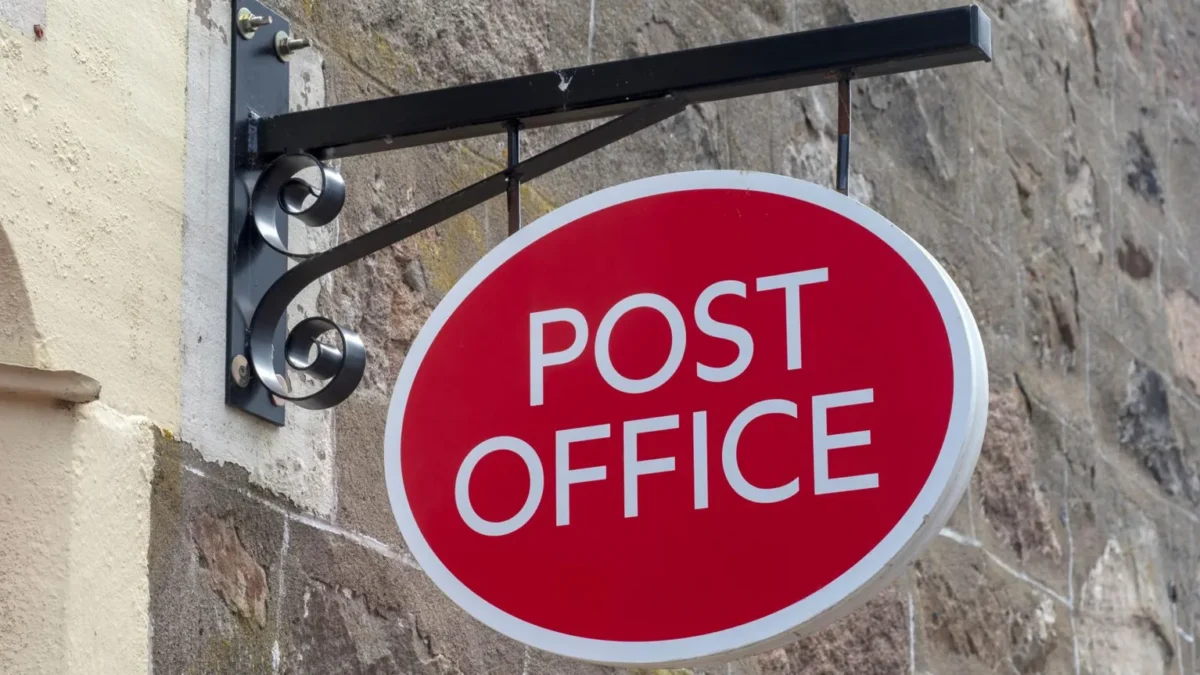
Investigation Timeline Threatened by Funding Shortfall
The extensive criminal investigation into the Post Office Horizon IT scandal, known as Operation Olympos, faces a potential delay of up to five years if crucial additional funding is not secured, police officials have warned. Commander Stephen Clayman, who is leading the national police inquiry, stated that the investigation team would need to double in size to maintain its current timeline, which aims to submit files for potential prosecutions by late next year or early 2028. Currently, 111 detectives are engaged in the “hugely complex” investigation, but an additional 99 officers are required to meet the projected deadlines.
A government spokesperson acknowledged the scandal as an “appalling injustice” and indicated that the government is “considering requests for further funding.” Commander Clayman emphasized that any delay would be “unacceptable for those who have already been living with this for decades.” The Horizon IT system, implemented in 1999, erroneously generated accounting discrepancies in Post Office branches, leading to sub-postmasters being held financially liable. This has been described as the UK’s most widespread miscarriage of justice, resulting in over 900 prosecutions, some of which led to imprisonment, and tragically, some individuals died while awaiting justice.
Operational Challenges and Funding Gaps
Operation Olympos, launched in 2020, is now a collaborative national police effort involving the National Police Chiefs’ Council, the Metropolitan Police Service, and police forces across the United Kingdom. While individual police forces bear the majority of the investigation’s costs, the operation also depends on grants from the Home Office. Commander Clayman revealed that the inquiry has received £2.8 million from the Home Office, but this falls significantly short of the £16.5 million needed for the current financial year to expand the detective team.
Seema Misra OBE, a sub-postmaster who was incarcerated in 2010 while pregnant after being wrongly accused of stealing £74,000, expressed her deep concern. “It’s very worrying,” she stated, questioning the disparity in government spending between legal proceedings and the pursuit of justice for ordinary citizens. “How can the government spend hundreds of millions of pounds on lawyers dragging this out but it’s different for the common people to get justice? We need accountability,” Misra told the BBC.
Commander Clayman reported that seven more suspects have been interviewed under caution this year, bringing the total number of individuals questioned to 13 out of the 53 currently under investigation. The team is also managing approximately eight million documents, many requiring forensic review, to reconstruct events, identify knowledge, and determine the roles of suspects. He reiterated that the threshold for criminal charges is high, necessitating robust evidence for the Crown Prosecution Service. Clayman acknowledged the immense task and has been transparent with sub-postmasters about the challenges and the extensive work ahead.
The commander highlighted that addressing these funding challenges occurs at a time when police forces are already “severely stretched.” A government spokesperson commented on the importance of hearing victims’ voices and ensuring swift, fair redress for those who have suffered, as identified through the public inquiry. The situation underscores the ongoing complexities and resource demands associated with resolving one of the UK’s most significant miscarriages of justice.


