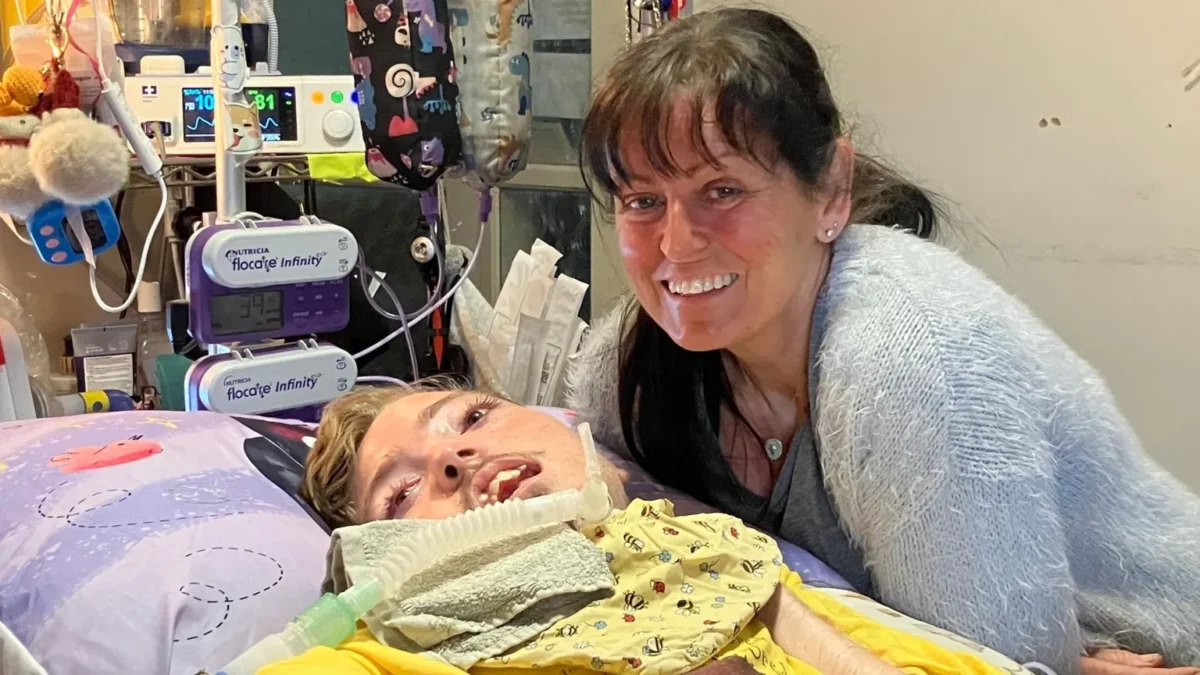
Across the United Kingdom, parents and carers are making extreme sacrifices, including skipping meals, to afford essential equipment and cover the soaring costs associated with caring for their disabled children. Samantha Tolmie, a mother from Yorkshire, exemplifies this struggle, having given up eating hot meals to ensure she can pay for the vital machinery that keeps her son, Lewis, alive. Lewis, now 22, relies on a ventilator, humidifiers, suction machines, and oxygen concentrators following a severe illness in his toddler years. The constant need to power these machines has dramatically increased Samantha's energy bills, escalating them from approximately £100 to over £400 per month. At one point, her energy provider suggested doubling her direct debit to £845, a figure she found terrifying as it exceeded her monthly rent.
Samantha has been forced to implement stringent energy-saving measures, such as turning off lights and foregoing hot meals, subsisting on a daily diet of Marmite sandwiches and fruit. She notes that Lewis's nurses sometimes provide her with hot food out of sympathy. With the upcoming energy price cap announcement by Ofgem, Samantha fears her bills could escalate further. She expressed the difficulty of her situation, stating, "I know everybody is struggling with these prices, but we can't cut back any more. I can't switch anything else off."
Despite receiving support from local authorities, government schemes, and charities, Samantha experiences shame and stigma associated with claiming benefits, particularly as she is unable to work due to Lewis's 24-hour care needs. "I feel shame that I have to claim benefits from the government, because I've worked hard all my life and now I can't," she shared. She emphasizes the value and hard work of families like hers, countering the perception that they are simply living off taxpayer money.
Her financial strain is compounded by the fact that her benefit payments do not fully cover her expenses; one rent payment only covers two-thirds of what she owes. This situation is not unique. Disability charity Scope estimates that disabled households require an additional £1,095 per month on average to meet their essential costs. While Personal Independence Payment (PIP) supports millions, the average payment of £465 leaves a significant shortfall of £630.
Family Fund, a charity providing grants for essential items to families with disabled children, has seen demand double to nearly 300,000 requests last year, a level they can no longer meet without additional funding. Their 'Cost of Caring' report revealed that 44% of parents and carers surveyed stated their benefits were insufficient for essential costs, with over half admitting to skipping meals to pay household bills. Lizzie Shelmerdine, Family Fund's head of research and evaluation, described these rising figures as "really, really worrying," highlighting the difficult choices families face between heating their homes and parents eating.
Martin House Children's Hospice in Wetherby, which offers palliative care and respite for children with serious illnesses, also witnesses the severe impact of poverty on these families. Vicki Greensmith, director of clinical services, noted that many families they support live in deprivation, lacking basic amenities like gardens or bedroom carpets. The hospice provides a crucial respite from these struggles. The hospice has also supported families dealing with the costs associated with a child's death, including one family unable to afford a headstone and facing potential housing loss.
Contact, a charity offering a helpline for parents and carers of disabled children up to age 25, stresses the importance of ensuring families claim all entitled benefits. Angie Fenn, head of information and advice at Contact, stated that many parents are wrongly told their child is not disabled enough or requires a specific diagnosis to claim disability living allowance. The charity also advises families to maintain communication with their utility companies regarding any concerns.
The Department for Energy Security and Net Zero acknowledged the challenges, stating its commitment to supporting families through measures like expanded eligibility for the Warm Home Discount and other energy and living cost assistance. The energy price cap had decreased by £117 annually at the start of April, with these savings set until the end of June. The government also highlighted support for households using heating oil, along with frozen rail fares and prescription charges, as part of its efforts to combat the cost-of-living crisis.
This ongoing crisis forces families into impossible decisions, balancing the immediate needs of their children with their own basic survival. The reliance on life-sustaining medical equipment, coupled with escalating energy prices, creates a precarious financial situation for many. The inadequacy of current benefit systems to cover these extraordinary costs leaves vulnerable families struggling to maintain essential services and basic living standards. The situation underscores a systemic failure to adequately support disabled children and their carers, pushing many to the brink of destitution.


