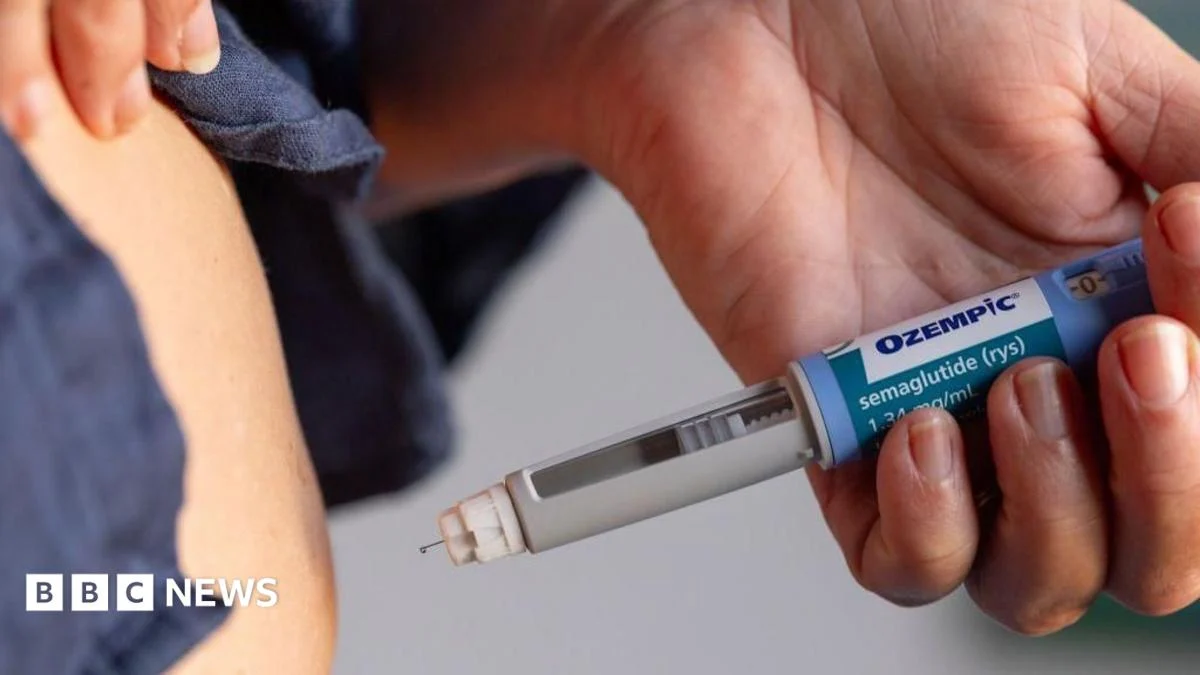
LONDON — Novo Nordisk has filed a US lawsuit accusing Eli Lilly of false advertising in its weight‑loss drug campaigns, alleging that Lilly’s ads create a misleading impression that its medicines are superior. The Danish company says Lilly compared the highest approved doses of its obesity and type‑2 diabetes drugs with lower doses of Novo Nordisk’s products, while omitting newer, higher‑dose options.
Lilly pushed back, saying its advertising is truthful, transparent, and grounded in the latest scientific evidence. A Lilly spokesperson said the firm will continue to focus on science and defend the lawsuit vigorously.
The dispute unfolds as Novo Nordisk and Lilly compete to dominate a fast‑growing market for weight‑loss drugs, an arena analysts estimate could exceed $100 billion in the US by 2030. Novo Nordisk contends Lilly’s campaigns violate federal and state false advertising and unfair competition laws through nationwide ads that selectively use outdated studies to imply Lilly’s products are superior, while downplaying clinical context. It also argues the ads misrepresent comparisons involving Mounjaro against Novo Nordisk’s Ozempic and Zepbound against Wegovy.
Novo Nordisk stressed that as new and more effective treatments become available, patients deserve information that reflects the latest scientific evidence and supports informed care decisions. The company said it would pursue a court order to pull Lilly’s ads and run a corrective advertising campaign; if Lilly does not comply, Novo Nordisk indicated it would seek a preliminary injunction in the near term.
Lilly maintained that its campaigns were designed to reflect robust, gold‑standard trials and urged its customers to rely on scientifically sound messaging. The legal action highlights a broader, high‑stakes battleground in which both firms press to shape consumer perception as the market expands.


