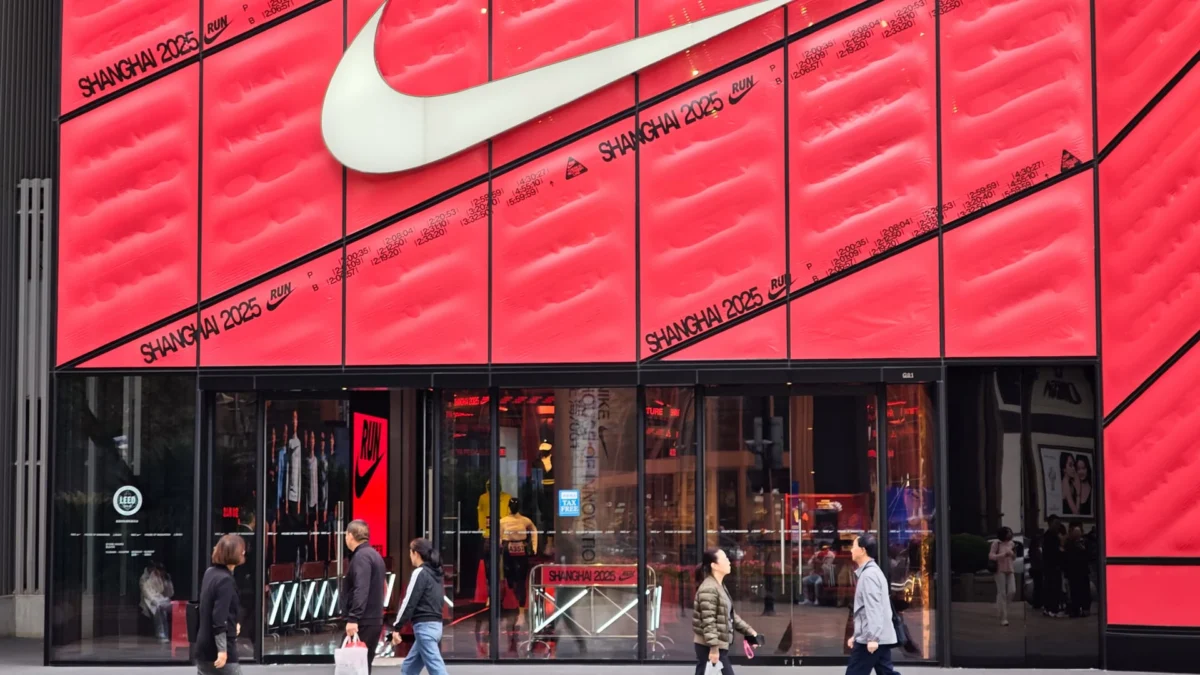
Nike is moving to streamline its China digital operations, cutting ties with thousands of online distributors beginning in January as it shifts its online presence toward Nike-owned channels and a smaller set of official storefronts. The company said the goal is to create a single, consistent consumer experience across its digital footprint while strengthening pricing control and brand presentation. The pivot will center sales on Nike’s own website and app, as well as official stores on Tmall, JD.com and Douyin, with a continued presence on other major platforms only through those flagship channels.
Nike officials stressed that the change is aimed at reducing fragmentation rather than limiting access, and they argued that a unified digital destination will provide clearer product storytelling, tighter consumer journeys, and stronger Nike branding. Cathy Sparks, Nike’s vice president and general manager for Greater China, described the new flagships as the elevated destinations within the ecosystems where Chinese shoppers begin and end their online journeys, designed to be direct, consistent, and unmistakably Nike.
The plan follows a period of rapid expansion in which Nike products reached consumers through thousands of third-party storefronts and a network of secondary distributors. While this broad digital reach increased availability, executives said it created inconsistent branding and pricing, complicating efforts to reverse a long-running regional sales decline. Nike has faced a roughly 30% revenue decline in China over the past five years, a backdrop that makes the restructuring a high-stakes move for the company’s regional ambitions.
Market observers cautioned that the shift might weigh on near-term revenue in China, where sales have already contracted. BNP Paribas equity analyst Laurent Vasilescu noted that Nike’s decision echoes a prior move in North America that disrupted wholesale relationships, opened shelf space for rivals, and led to a hit to market share and margins in that region. The analyst added that Nike’s core issue, in his view, is more of a product problem than a distributor problem, suggesting similar outcomes could unfold in China if the strategy is not paired with compelling product momentum.
Even so, Nike’s largest distributor in mainland China, Topsports, voiced support for the plan. Topsports CEO Yu Wu said the company has worked with Nike for 27 years on a model of mutual benefit and shared growth, and while the adjustment may bring short-term pressure, it is expected to promote a healthier, more orderly, and sustainable retail ecosystem in China. Wu stressed that Nike and Topsports will continue collaborating, leveraging strengths in offline retail operations, local consumer service, and deep market development across city tiers, including efforts to offer richer in-store sport experiences through new concept stores.
Nike’s leadership signaled that the streamlining will sharpen consumer experiences and restore pricing discipline online, positioning the brand for a more direct consumer relationship in one of its most important growth markets. The company also indicated that the changes will not reduce access to Nike products but will reallocate distribution through its own and carefully curated official channels, aiming to safeguard brand integrity and long-term growth in China.
The initiative was first reported in local Chinese media before Nike confirmed the plan, underscoring the market’s sensitivity to how digital commerce practices influence brand perception and sales momentum in the region.


