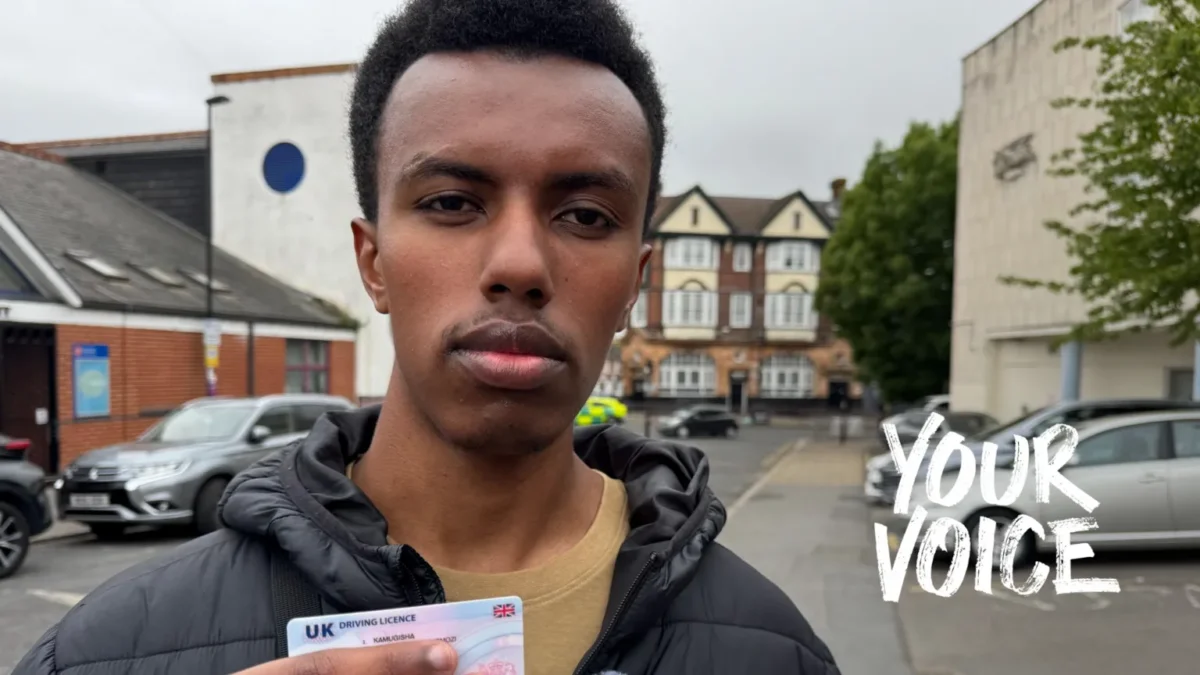
New legislation has been introduced to combat the burgeoning black market for driving test appointments, a problem that led one 21-year-old student to spend over £700 of his savings to secure a test slot. Robert Kamugisha, a criminology student from Croydon, found himself facing lengthy waiting lists for his practical driving test, a situation exacerbated by personal and financial pressures. In his desperation, he turned to resellers who acquire driving test slots and offer them at significantly inflated prices.
Robert ultimately spent £726 on three test appointments, a sum that represented a substantial portion of his savings. The official fee for a driving test is £62, highlighting the exorbitant markups imposed by resellers. He recounted feeling like he was being scammed after finally passing his test in December on his third attempt, having paid such a premium. The reseller he used booked the test using his personal details, and he received a confirmation from the Driver and Vehicle Standards Agency (DVSA), which initially provided a sense of relief despite the steep cost.
Driving instructors have observed a significant surge in this illicit trade, attributing it to the soaring waiting times across the United Kingdom. Thousands of learner drivers have been left struggling to obtain test dates without enduring prolonged delays. Figures released by the DVSA earlier this week revealed that the national average waiting time for a practical driving test in Great Britain as of April 2026 was 22.3 weeks. This average varied by region, with Scotland experiencing wait times of 22.9 weeks, England at 22.7 weeks, and Wales at 17.3 weeks.
Robert's own driving instructor reportedly encouraged him to use a reseller, assuring him of its legitimacy. The total cost for Robert, including the inflated test fees and a £150 charge each time to use his instructor's car, amounted to £1,176. This figure excludes the cost of his driving lessons, underscoring the substantial financial burden placed on learner drivers.
Sophie Stuchfield, a driving instructor based in Watford, described how the black market has capitalized on the high demand for earlier test dates. She explained that individuals have devised methods to manipulate the booking system, securing numerous driving tests only to resell them at vastly inflated prices. The DVSA's booking system has been plagued by the use of automated booking programs, commonly known as bots, since a significant backlog of tests accumulated during the COVID-19 pandemic.
Illicit operators exploited this demand by employing bots to book tests on the official DVSA website and subsequently resell them. Sophie shared that she has received an overwhelming number of messages, specifically 3,341, from individuals attempting to sell her driving test appointments. She further noted that many learner drivers contact her via social media, reporting that they are being asked to pay between £200 and £300 for a driving test, sometimes even from their own instructors.
Sophie has consciously chosen not to charge her learners additional fees on the day of their driving tests for the use of her car, a stance that has reportedly caused friction with other instructors in her vicinity who do impose such charges. She mentioned instances where some instructors inform learners only a week before their test that an extra £300 will be required on test day to use their vehicle. When questioned about her refusal to charge these fees, Sophie stated, "I don't believe I should." She expressed empathy for the financial struggles learners face in the process of learning to drive.
The new regulations, implemented this week, stipulate that only the learner driver is legally permitted to book their driving test with the DVSA. The government anticipates that this measure will deter third-party operators from accessing the booking system by using learner drivers' personal information. Consequently, anyone found selling or altering a test on behalf of another individual will be in violation of the law.
While these new rules are not expected to directly alleviate the waiting times for test slots, they are intended to reduce the number of wasted appointments and enable the DVSA to better gauge actual demand. This, in turn, should help the agency allocate resources more effectively to testing centers that require them most. However, Carly Brookfield, chief executive of the Driving Instructors Association, expressed skepticism regarding the effectiveness of these changes. She suggested that the rule change unfairly targets the majority of instructors who operate ethically. Furthermore, she indicated that she has already received reports of learner drivers facing difficulties because their instructors can no longer assist them with booking tests.
Brookfield acknowledged that the DVSA has implemented some measures that have been productive in curbing the use of bots. "But the reality is we've also got this massive test supply issue that if there's not enough tests going in, people will still not be able to get a test anywhere," she stated. Simon Lightwood, the Minister for Roads and Buses, acknowledged that the government inherited significant waiting times and a substantial backlog of learners awaiting tests. He noted that the system had seen an excessive number of individuals overpaying third-party touts.
"But we're taking action and seeing results, delivering almost two million tests over the past year, more than 158,000 extra tests since June 2025, and military driving examiners now on the ground helping boost capacity across the country," Lightwood added. Further modifications are scheduled for June, which will permit learners to restrict their driving test bookings to only three of their local test centers. The government's efforts aim to streamline the process and mitigate the exploitation of learner drivers by unscrupulous resellers and touts, though challenges related to test capacity and supply remain.


