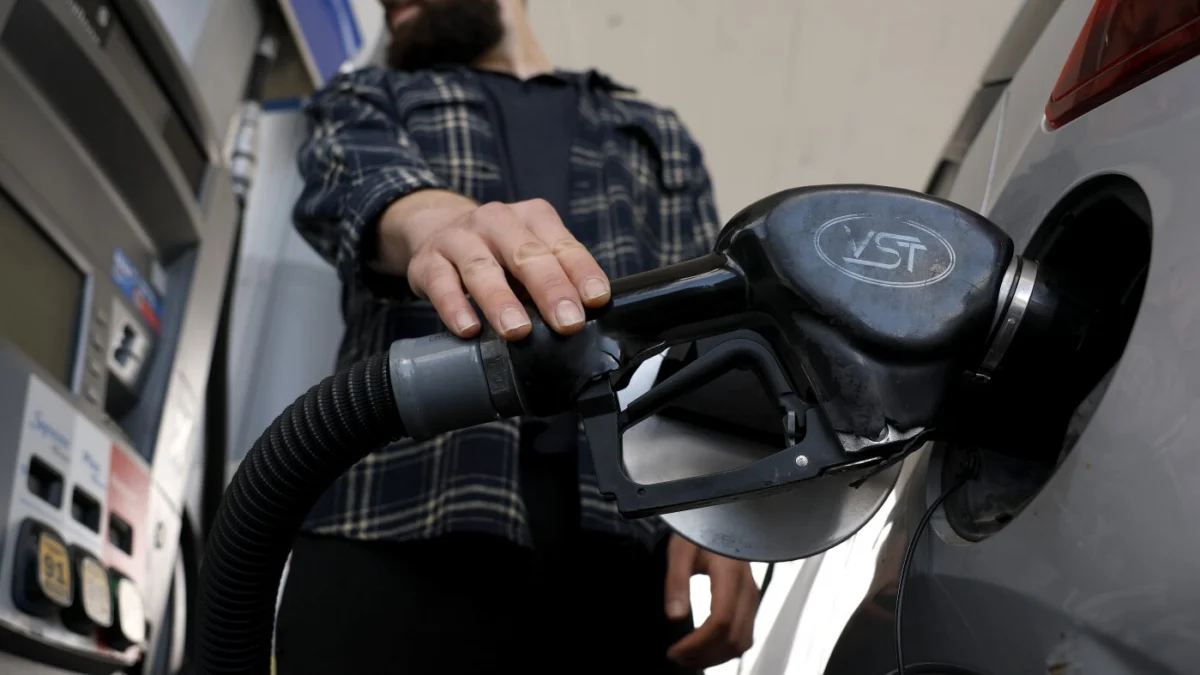
As Americans gear up for one of the busiest travel weekends of the year, the national average for a gallon of gasoline has surged to $4.55, a four-year high that presents unwelcome news for drivers. This elevated price point, exacerbated by ongoing tensions in the Middle East, is straining household budgets and sparking frustration among voters. In California, the state with the nation's highest gasoline prices, the situation has become a point of contention between Governor Gavin Newsom and the oil giant Chevron. The governor has publicly advised Californians to avoid Chevron stations, highlighting a long-standing, tense relationship between the company and the state. Chevron, which relocated its headquarters from California in 2024 due to regulatory complaints, has retaliated by posting signs at its stations blaming state policies for the high costs. Newsom's office, in turn, suggests that unbranded gas stations offer comparable fuel that meets the same state standards.
Despite these price hikes, a significant portion of Americans remain committed to driving, with analytics company Arity reporting an increase in miles logged since the conflict in Iran began. For those looking to mitigate costs, experts suggest a multi-pronged approach focusing on driving efficiency, considering electric vehicles, or exploring alternatives to personal car use.
Driving smoothly—which includes gradual acceleration, gentle braking, and reduced speeds—is a fundamental strategy for maximizing fuel economy. Factors such as underinflated tires, excessive weight in the vehicle, and unused roof racks can also diminish fuel efficiency. While some high-performance vehicles require premium gasoline, Consumer Reports indicates that most cars can operate effectively on regular unleaded fuel without adverse effects, unless premium is specifically mandated for the vehicle's optimal performance.
The prospect of switching to an electric vehicle (EV) is gaining traction among drivers concerned about escalating gasoline prices. However, the EV market has experienced fluctuations. New EV sales have been impacted by the recent expiration of a $7,500 federal consumer tax credit, which concluded last fall. While tax refund season can boost overall car sales, data on used EV sales presents a mixed picture. CarGurus notes an increase in shopper interest, which often precedes actual sales, especially for significant purchases like vehicles. Analysts suggest that sustained high gasoline prices could eventually drive more consumers toward more fuel-efficient or electric options.
For average drivers covering approximately 15,000 miles annually, switching to an electric car could yield savings of around $1,800 per year, according to Janelle London, co-executive director of Coltura. For those who drive more extensively, perhaps 25,000 miles per year, these savings could escalate to an average of $3,000 annually. These figures are projected to increase as gasoline prices continue their upward trend. Coltura offers an online tool to help consumers estimate potential savings from transitioning to electric mobility.
The financial benefits of EVs are influenced by regional variations in electricity and gasoline prices. A study by Yale Climate Connections illustrates this disparity, showing that in North Dakota, driving an EV can be equivalent to paying less than a dollar per gallon of gasoline, whereas in California, it might cost around $2.70 per gallon. Consumers can also calculate their personal cost per mile by comparing their home electricity rates, local gasoline prices, and the efficiency of their current and potential vehicles.
Beyond fuel costs, EV ownership involves other considerations. While maintenance savings can be substantial, with EVs requiring less upkeep than gasoline-powered cars, insurance premiums might be higher. Non-financial aspects, such as environmental benefits and driving experience, also play a role in the decision-making process. Charging infrastructure is another critical factor; the convenience and cost-effectiveness of home charging versus public charging stations, and the potential need for a dedicated charger installation, must be evaluated.
For those seeking to reduce or eliminate their reliance on personal vehicles, alternative transportation methods are available. Data from the Transit app indicates that public transit ridership remained relatively stable through March, with a slight dip in the week ending April 4, a pattern attributed partly to the Easter holiday and the relatively short duration of elevated gas prices. Historically, significant shifts from driving to public transit occur when gas prices rise and remain high for an extended period. Overall, transit ridership continues to show year-over-year growth, though it has not fully recovered from the pandemic-induced decline.
Jerick White, a Houston resident, transitioned to an e-bike in March, citing the combined costs of car ownership, maintenance, and fuel as unsustainable. While he has not quantified his exact savings, he notes a significant reduction in expenses. His decision was facilitated by working from home and residing in close proximity to essential services, making biking a practical and enjoyable alternative for local errands.
For individuals who drive infrequently or undertake only short trips, foregoing car ownership entirely can be a viable option. Apps like Veo report an average trip length of 1.9 miles for their services. Beyond financial savings, biking offers personal benefits such as enjoyment and the ability to avoid traffic congestion.
Some individuals choose to absorb higher fuel costs by reducing spending in other areas. The Rossi family, for instance, is undertaking a cross-country RV trip, a lifestyle choice that involves significant fuel expenses, particularly for diesel. To manage their doubled fuel budget, they are prioritizing free attractions over paid ones, demonstrating a willingness to adjust discretionary spending to maintain their travel plans.
This approach highlights a broader theme: adapting to economic pressures often involves a recalibration of spending priorities. Whether through optimizing driving habits, embracing new technologies like EVs, utilizing public transportation, or making conscious trade-offs in discretionary spending, consumers are actively seeking ways to navigate the current economic climate and its impact on their personal finances. The interplay between global events, energy markets, and individual consumer behavior continues to shape economic trends and influence purchasing decisions across various sectors.
The current energy market dynamics, influenced by geopolitical events and supply-demand imbalances, are creating a ripple effect across the economy. High energy prices directly impact transportation costs, a significant component of household budgets and business operating expenses. This, in turn, can affect consumer spending on other goods and services, potentially leading to shifts in demand patterns. Businesses, particularly those in transportation and logistics, face increased operational costs, which may be passed on to consumers or absorbed through efficiency measures. The automotive industry, including manufacturers of both traditional and electric vehicles, is closely monitoring these trends as they influence consumer preferences and purchasing decisions. The long-term implications of sustained high energy prices could accelerate the transition to more sustainable transportation solutions and reshape energy consumption patterns.


