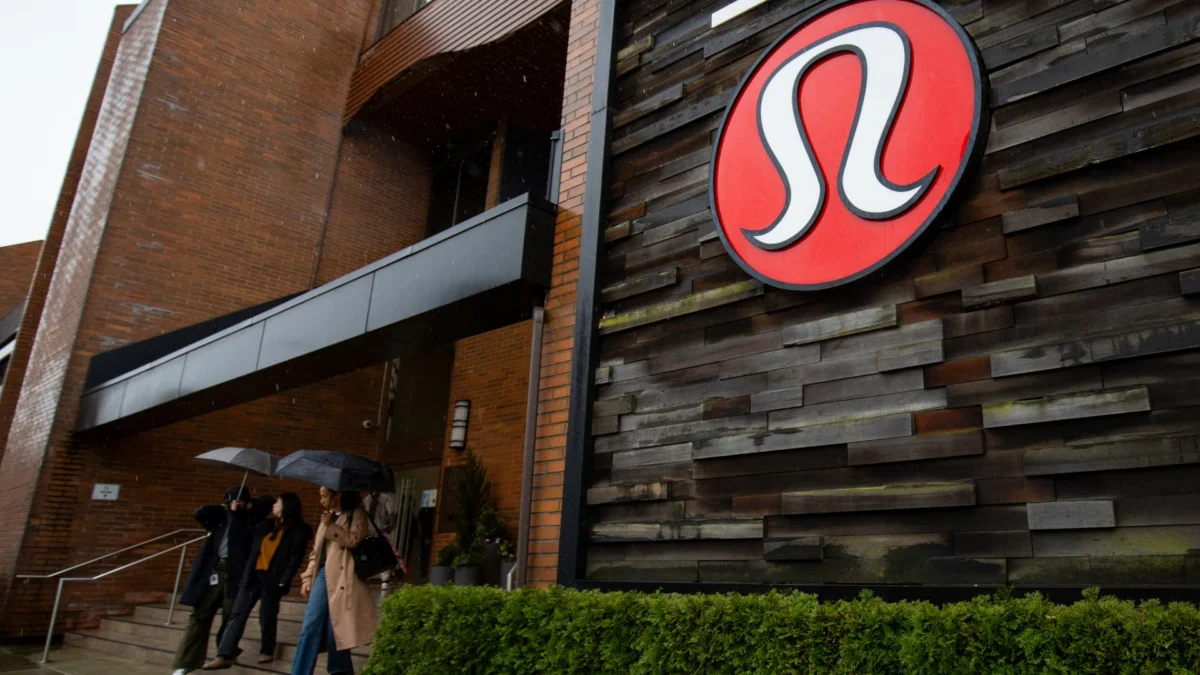
Lululemon Athletica Inc. has escalated its public dispute with founder Chip Wilson, issuing a strong rebuttal to his criticisms and urging shareholders to support its slate of board nominees ahead of the company's annual meeting on June 25. In a letter to shareholders, the Vancouver-based athletic apparel giant characterized Wilson's views as "outdated perspectives" and highlighted "troubling conflicts of interest" that it claims could jeopardize its turnaround strategy.
This marks Lululemon's most significant public response to Wilson since his proxy battle intensified late last year. The company's firm stance comes after settlement negotiations between Lululemon and its founder reportedly collapsed the previous week. The letter, reviewed by CNBC, details why the company believes its current strategy, the leadership of incoming CEO Heidi O'Neill, and its proposed board nominees are the most beneficial choices for investors. Lululemon is actively campaigning for shareholders to vote for its three director candidates, deeming them "vastly superior" to Wilson's selections.
Wilson, who founded Lululemon in 1998, has been an increasingly vocal critic of the company's direction. He stepped down as CEO in 2005 but remained chairman until 2013. His departure from the chairman role was notably linked to a recall of the company's signature black pants, a situation he attributed to customer body types. "Some women's bodies don't work for the pants," Wilson had stated at the time, explaining the issue stemmed from "the rubbing through the thighs, how much pressure is there over a period of time." In recent years, Wilson has intensified his critiques, particularly as Lululemon has faced mounting business challenges. His primary contention revolves around the company's board of directors, whom he holds responsible for his 2013 decision to resign as chair. He has been actively lobbying both the company and its shareholders to endorse his slate of director nominees.
Lululemon, in its defense, asserts that its current leadership has been instrumental in scaling the brand into an $11 billion enterprise. The company also points to Wilson's admitted advisory roles with direct competitors, such as Alo Yoga and Vuori, as evidence of potential conflicts of interest, according to security filings. The upcoming annual meeting on June 25 will present shareholders with a critical decision: elect Lululemon's nominees or Wilson's. The company's nominees include former Levi Strauss CEO Chip Bergh, former Unilever chief growth and marketing officer Esi Eggleston Bracey, and seasoned board member and former Gap finance chief Teri List. Wilson's proposed alternatives are former ESPN chief marketing officer Laura Gentile, former Activision CEO Eric Hirshberg, and former On co-CEO Marc Maurer.
Wilson has articulated his belief that Lululemon's recent struggles are a consequence of "deprioritizing creative excellence at the altar of efficiency." He argues that the company requires "more proven, creative leaders" in the boardroom to steer it back to success. "Our three nominees all understand what it takes to foster a creative, focused and successful business that delivers superior returns through creative excellence – in design, technology and execution," Wilson stated in a recent letter to shareholders. "They have all led organizations that only succeed when they out-create their competitors, and they know what it takes to create an inspired, creative organization and help it thrive."
Lululemon's board, however, firmly believes that replacing any of its current directors with Wilson's nominees would validate his "misguided perspectives," strip the company of essential skills and expertise, and potentially derail its progress during a critical period. The company specifically criticized Wilson's nominees – Gentile, Hirshberg, and Maurer – for lacking public company board experience and having minimal or no experience in the apparel and retail sectors. Lululemon highlighted that Marc Maurer, who recently concluded his tenure as co-CEO of On, a direct competitor, still holds a significant personal investment in his former company, valued in the tens of millions of dollars, representing a substantial portion of his net worth.
The company also publicly defended its incoming CEO, Heidi O'Neill, who is set to assume leadership in September. O'Neill, a nearly 30-year veteran of Nike, faced some investor skepticism following her appointment, with concerns raised about her potential role in some of Nike's current challenges and the extended timeline before she takes the helm at Lululemon. Wilson himself expressed reservations in an April 29 letter, questioning O'Neill's product skillset and history of value creation, stating, "A near 30-year veteran of [Nike] is not the symbol of transformative, creative-first leadership that can instill shareholder confidence in today's world."
In its shareholder letter, Lululemon countered these concerns, describing O'Neill as "the ideal executive to lead" the company. They emphasized her "unique balance of creativity and operational discipline required at this pivotal moment." The company elaborated that during the CEO selection process, O'Neill distinguished herself with a rare combination of deep industry, product, and brand experience, coupled with a strong track record of both transformation and growth at scale. Lululemon noted her ability to articulate the brand's essence and future opportunities, while also demonstrating a pragmatic, execution-oriented approach.
Lululemon specifically pointed to O'Neill's extensive experience leading Nike's apparel division through a period of significant growth. She was also credited with reducing product lead times and repositioning the brand prior to her departure from Nike. "O'Neill established and built Nike's Women's business and grew it into a multi-billion-dollar franchise," the company stated. "And she led important digital transformations as an early digital champion and innovator, during a period of rapid digital commerce sales growth of more than 65%."
Lululemon's business has faced considerable pressure over the past two years, particularly in its largest market, the Americas. Factors contributing to this include the impact of tariffs, a hesitant U.S. consumer base, and a product assortment that has not resonated with shoppers as strongly as in previous years. The athleisure market, once a strong growth area, has also seen a cooling global trend, with increased competition from emerging brands like Vuori and Alo Yoga intensifying the landscape.
In March, alongside its fiscal fourth-quarter earnings report, Lululemon issued cautious guidance for fiscal year 2026. The company warned that escalating tariffs and the ongoing proxy battle with Chip Wilson were expected to negatively impact its financial performance. As of the market close on Friday, Lululemon's stock had seen a decline of nearly 43% year-to-date, reflecting investor concerns about the company's trajectory and the ongoing internal conflict.
Lululemon's final attempt to resolve the proxy contest involved offering to appoint two of Wilson's nominees to the board after the annual meeting, an increase from an earlier offer of one. The company also proposed appointing a third new director, not from Wilson's slate but subject to his approval, and establishing an advisory brand product council that would include Wilson's third nominee. However, Wilson reportedly raised his demands, seeking the right to replace directors if his nominees were to step down and full reimbursement for his campaign expenses from the company. Lululemon rejected these escalated demands, leading to the breakdown of settlement talks and the current public confrontation.
The company's letter argues that electing any of Wilson's proposed directors would lead to a "significant degradation" of the board's experience and expertise. This includes the potential loss of crucial industry knowledge, corporate governance experience, and financial acumen necessary for a public company. Lululemon emphasized that its nominees possess deep industry and corporate governance experience, along with the financial expertise vital for navigating the complexities of a public company. The company's nominees are presented as possessing the necessary qualifications to guide Lululemon through its current challenges and capitalize on future opportunities, contrasting sharply with the perceived shortcomings of Wilson's selections.
The ongoing proxy battle underscores the deep divisions between Lululemon's current leadership and its founder over the company's strategic direction and operational priorities. As the June 25 annual meeting approaches, shareholders face the critical task of deciding which vision for Lululemon's future will prevail, with the company's leadership urging a vote of confidence in their strategy and nominees, while Wilson advocates for a return to what he views as more creative and proven leadership.
Lululemon's stock performance this year, down nearly 43% as of Friday's close, highlights the market's current sentiment and the pressure the company is under. The outcome of the proxy fight and the effectiveness of the company's turnaround plan under new leadership will be closely watched by investors and analysts alike as they assess the long-term prospects of the athletic apparel giant. The company's ability to navigate competitive pressures, consumer shifts, and internal governance disputes will be key determinants of its future success.


