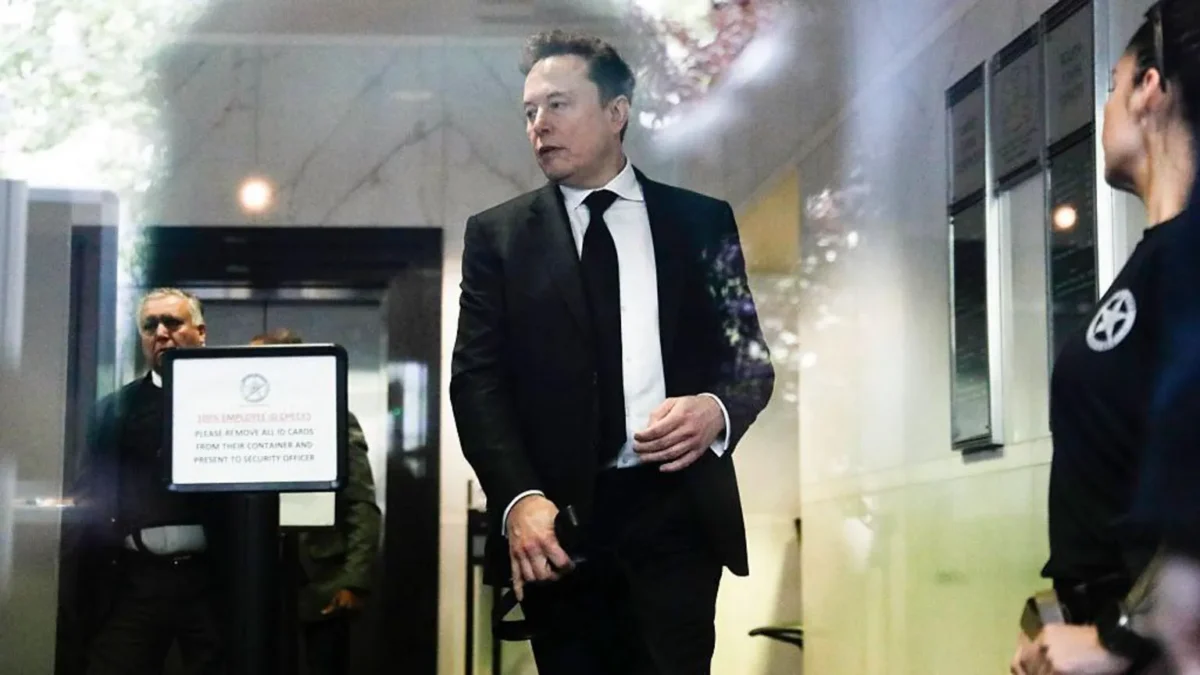
A California jury has unanimously dismissed Elon Musk's high-profile lawsuit against artificial intelligence firm OpenAI and its chief executive, Sam Altman. The verdict came after a three-week trial where jurors heard testimony from Musk, Altman, and Microsoft CEO Satya Nadella. The case was thrown out primarily because the jury found that Musk had initiated his lawsuit after the statute of limitations for such claims had expired.
Musk had accused Altman of violating a non-profit contract by transitioning OpenAI, which he co-founded in 2015, into a for-profit entity. Musk had previously donated $38 million to the organization, which he claimed was based on a non-profit mission to develop AI for the benefit of humanity. He alleged that Altman deceived him by accepting his funds while subsequently abandoning this original purpose.
During the trial, Musk testified that the legal action was a matter of principle, stating, "It's not OK to steal a charity… If it's okay to loot a charity, the entire foundation of charitable giving will be destroyed." However, Altman presented a different narrative to the jury. He testified that Musk not only supported the idea of OpenAI becoming a for-profit business but also sought long-term control over the company.
Altman recounted a moment during the company's early days where Musk's co-founders questioned what would happen to his control if he were to die. According to Altman, Musk's response suggested that control might pass to his children. Musk departed OpenAI in 2018, reportedly after his co-founders denied him the level of control he desired.
Musk's claims against Microsoft, which had been accused of aiding in the alleged scheme, were also dismissed as a matter of law, following the jury's findings regarding the claims against OpenAI. Jurors deliberated for approximately two hours before reaching their unanimous decision on Monday.
Following the verdict, OpenAI's spokesman Sam Singer declared it a "tremendous victory," characterizing Musk's lawsuit as an attempt to "slow down a competitor." He added that the outcome was also a win "for the justice system." William Savitt, OpenAI's lawyer, stated that Musk's lawsuit "bears no relationship with reality" and that the jury concluded Musk had been untruthful about the company's origins. Savitt expressed satisfaction that the jury "reached the right result, and reached it quickly," and affirmed OpenAI's continued commitment to developing "safe AI for the benefit of all humanity."


