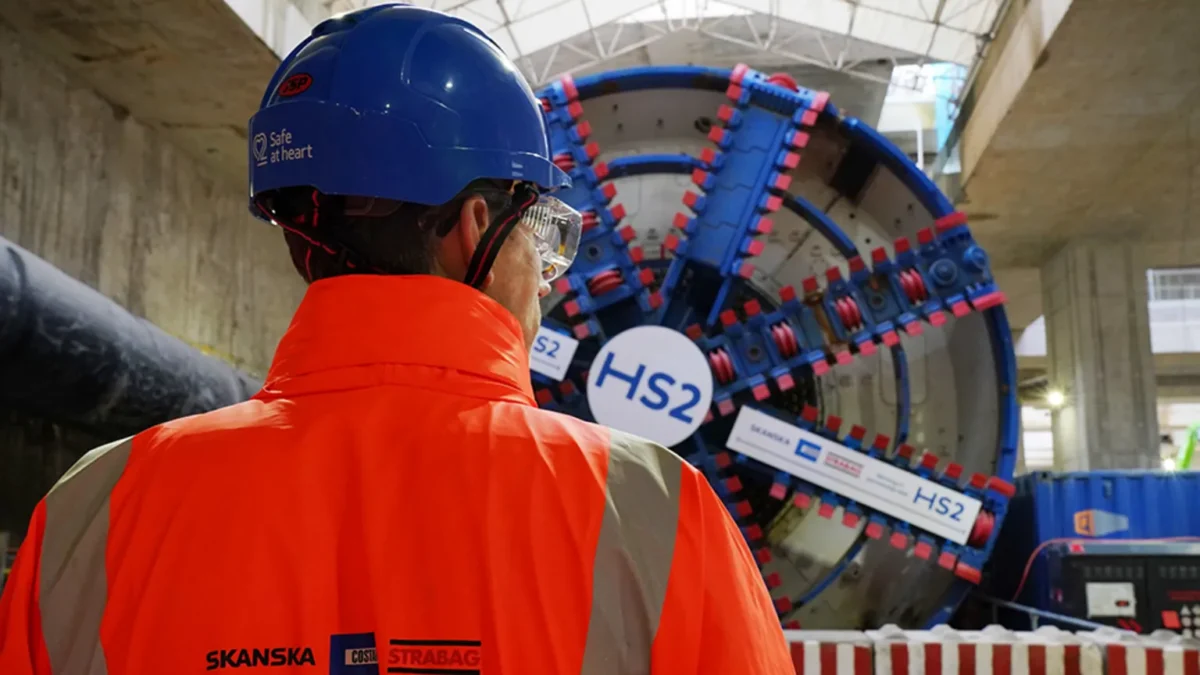
The ambitious HS2 high-speed rail project in the UK is now projected to cost between £87.7 billion and £102.7 billion, according to the latest estimates. Transport Secretary Heidi Alexander announced the revised figures, acknowledging a significant increase from initial forecasts and a delay in the service's operational start date. Trains are now expected to begin running between 2036 and 2039, a delay of up to six years from the previous target of 2033.
In an effort to manage costs and potentially expedite delivery, the maximum speed for HS2 trains will be reduced. Originally planned to reach 360 km/h (224 mph), the trains will now operate at a top speed of 320 km/h. The government stated that this adjustment aligns HS2 speeds with those of high-speed rail services in Europe and Japan and could lead to savings of up to £2.5 billion, possibly allowing the project to be completed a year earlier.
Alexander presented these updates alongside the Lovegrove report, which she described as detailing a "litany of failure" inherited from the previous government. She expressed frustration with the project's trajectory, stating, "If it seems like an obscene increase in time and costs, it is because it is." The current phase of the project focuses on the line connecting London to Birmingham, a scaled-back version of the original plan which had intended to extend to Manchester and Leeds.
The cost escalation is attributed to several factors. According to the government, two-thirds of the increase stems from underestimations by the prior administration, inefficient project delivery, and omissions in the original scope of work. The remaining one-third is attributed to inflation. In 2013, the project was initially forecast to cost £50.1 billion in 2011 prices, which equates to approximately £75 billion in today's money when adjusted for inflation.
The revised timeline indicates that services between Old Oak Common in west London and Birmingham Curzon Street will commence between 2036 and 2039. However, the full service, including the connection from London Euston and the link to the West Coast Main Line, is not anticipated to be operational until between 2040 and 2043.
Despite the significant cost overruns and delays, Alexander affirmed the government's commitment to completing the HS2 project. "We will get the job done but we will also take every opportunity to save time and money in the process, getting a grip on delivery, controlling costs, and stripping out the complexity that's plagued the project in the past," she stated. The project has faced considerable scrutiny and criticism over its escalating budget and extended timelines since its inception.


